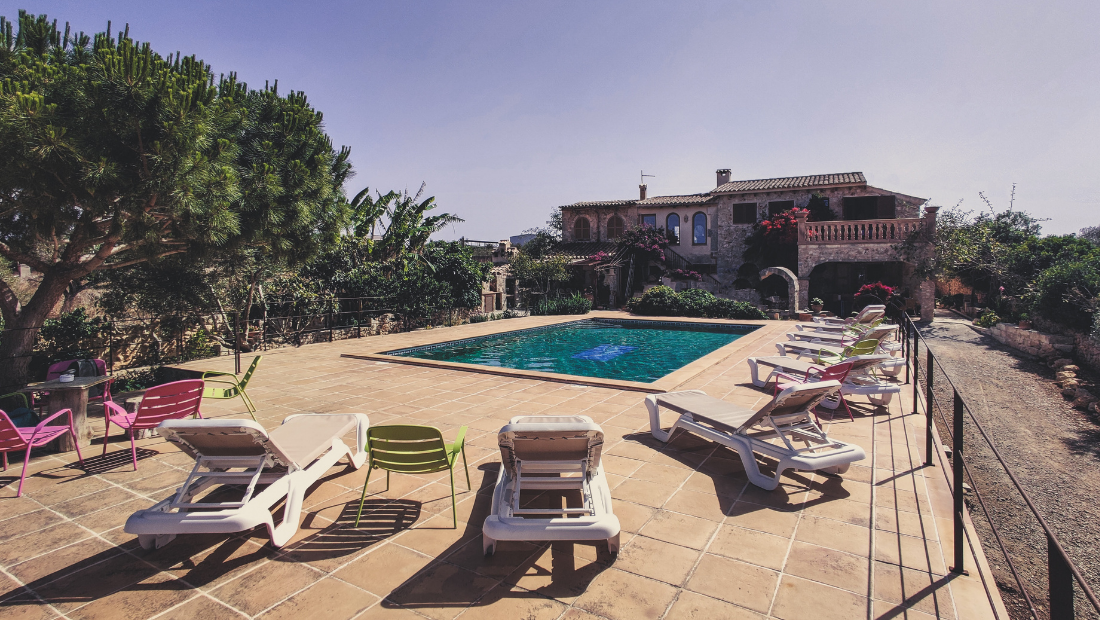
In a broad sense, a finca in Spain is an immovable property or real property. That is the term, which is used in Nota Simple Informativa by describing an object, its characteristics and cadastral information. And at the same time, a finca in Spain is a manor, a land parcel, a farm, a land property, an estate, i.e. residential and non-residential buildings on a large land plot of several hectares. The word combination «finca rustica» is often used when it is necessary to emphasize the category of land – rural land.
Buying a finca in Spain is a matter that requires close attention and the participation of a specialist (lawyer or professional realtor) who can spot and explain to the buyer all the pitfalls of the proposed transaction. The thing is that fincas in Spain are the most complex real estate objects from a legal perspective: they may have encumbrances and restrictions, have historical or architectural value, be protected from demolition, redevelopment or expansion, have tight restrictions on economic activities on adjacent land, etc.
Finca in Spain: Types

About 90% of fincas in Spain belong to the category of finca rústica, i.e. rural land. Under current legislation, the total area of buildings shall not exceed 1-2% of the land area. Moreover, the buildings themselves should have a direct bearing on agriculture, the construction of farms, stores, wells, and small houses is allowed.
As a rule, the area of residential buildings on fincas does not exceed 100 m2. Municipal communications are often not connected to such sites: electricity, water, sewerage – all this should be taken care by the owner himself.
When buying a finca without existing buildings, a permit for the construction of small housing can be obtained only if agricultural activities require the permanent presence of the owner. When buying a finca with a destroyed structure, a permission can also be obtained to restore it. Otherwise, the construction permit will be refused.
Of course, most owners of finkas are cunning and try to bypass restrictions in various ways: for example, they request permission to build a storage to convert it for living spaces on the inside. Certainly, it will not be possible to legalize such housing: it will only exist de facto. Also, there might be installed wooden houses without a foundation, which can be disassembled or moved to another place at any time.
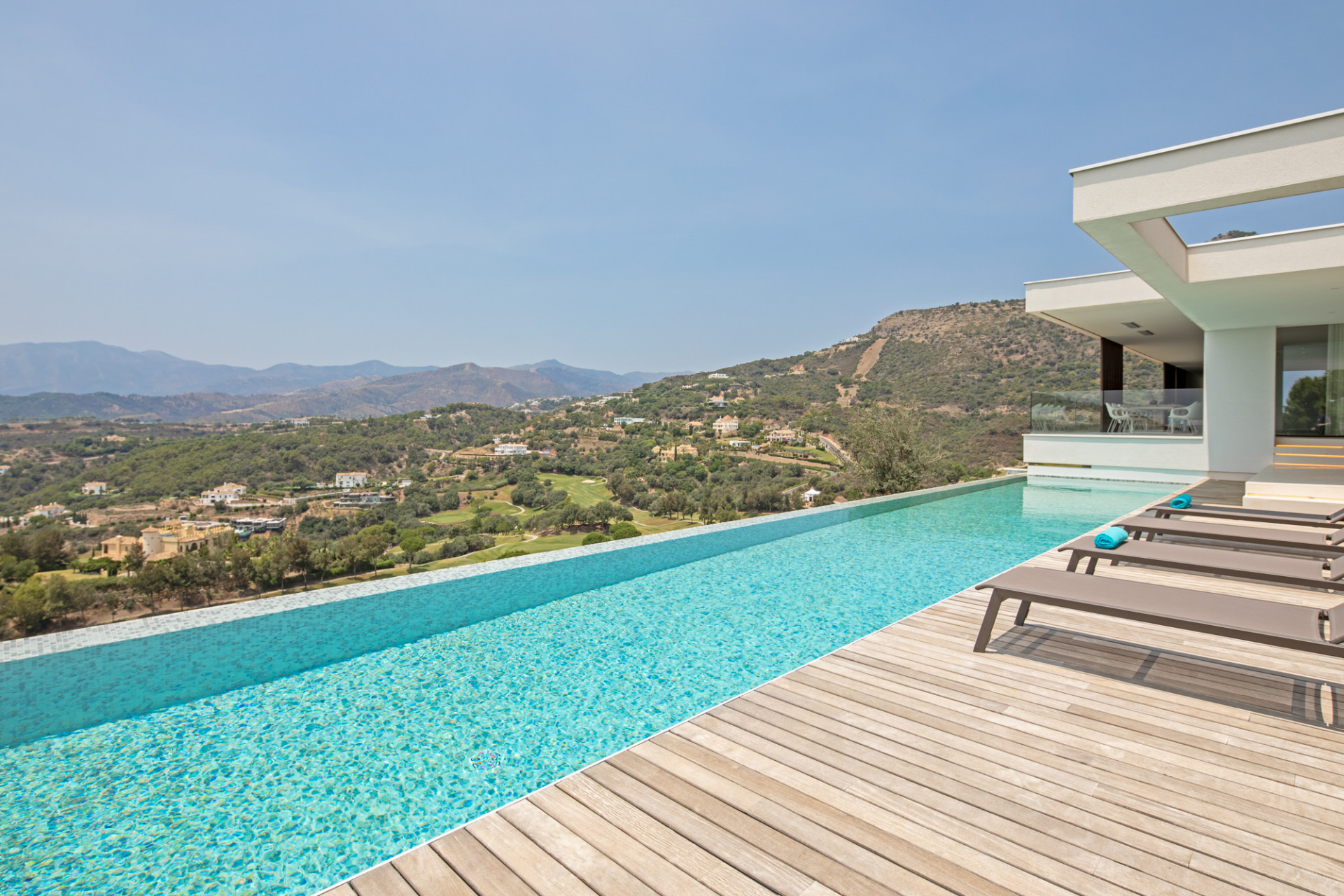
Such restrictions are applicable now. However, if you are lucky, a finca in Spain with an excellent house of several hundred square meters, with a swimming pool and other amenities can be bought, when it was built many years ago before imposing limitations.
The remaining 10% fall on hunting ground (coto de caza), where a hunting lodge can be built, as well as forestry (finca forestal).
Buying a Finca in Spain: Important Points and Price

Agricultural fincas in Spain are sold and bought actively, including by foreigners. They can be livestock, or intended for the cultivation of various crops. The most popular today are vineyards, citrus plantations, farms where almonds, artichokes, cherries and olives are grown. Often finkas are bought for the purposes of subsequent leasing to local agricultural producers.
In recent years, agro-tourism has gained enormous popularity: urban residents, tired of cramped offices and apartments, are attracted to rural labor and recreation. As a result, many owners of finkas decide to develop an additional area of activity – rural tourism.
Prices for fincas in Spain can vary considerably. A large, rich, strong household with established production and marketing can be worth millions. Uncultivated land, on the contrary, can cost very cheap, literally a few thousand euros.
If the seller is the state, then the low price may be accompanied by additional temporary encumbrances under the terms of the contract: the obligation to grow certain plant varieties or livestock breeds, to allocate part of the land for forest plantations, i.e. to benefit the state in some way.
It should also be borne in mind that the cheapest land plots are sold in the outback, in desert areas far from population centers.
Ads for the sale of fincas in Spain are published in the same place as all other ads for the sale of residential and non-residential real estate. When buying an untreated plot, even before the transaction is completed, it will be necessary to check for existing encumbrances, restrictions and easements. When buying a ready-made farming, accounting and tax audit cannot be avoided, because in fact, the object of the transaction is not a property, but an operating business.
If you have any questions about buying a property in Spain, please contact our specialists. Supply of all types of real estate in Spain can be found in our catalog.