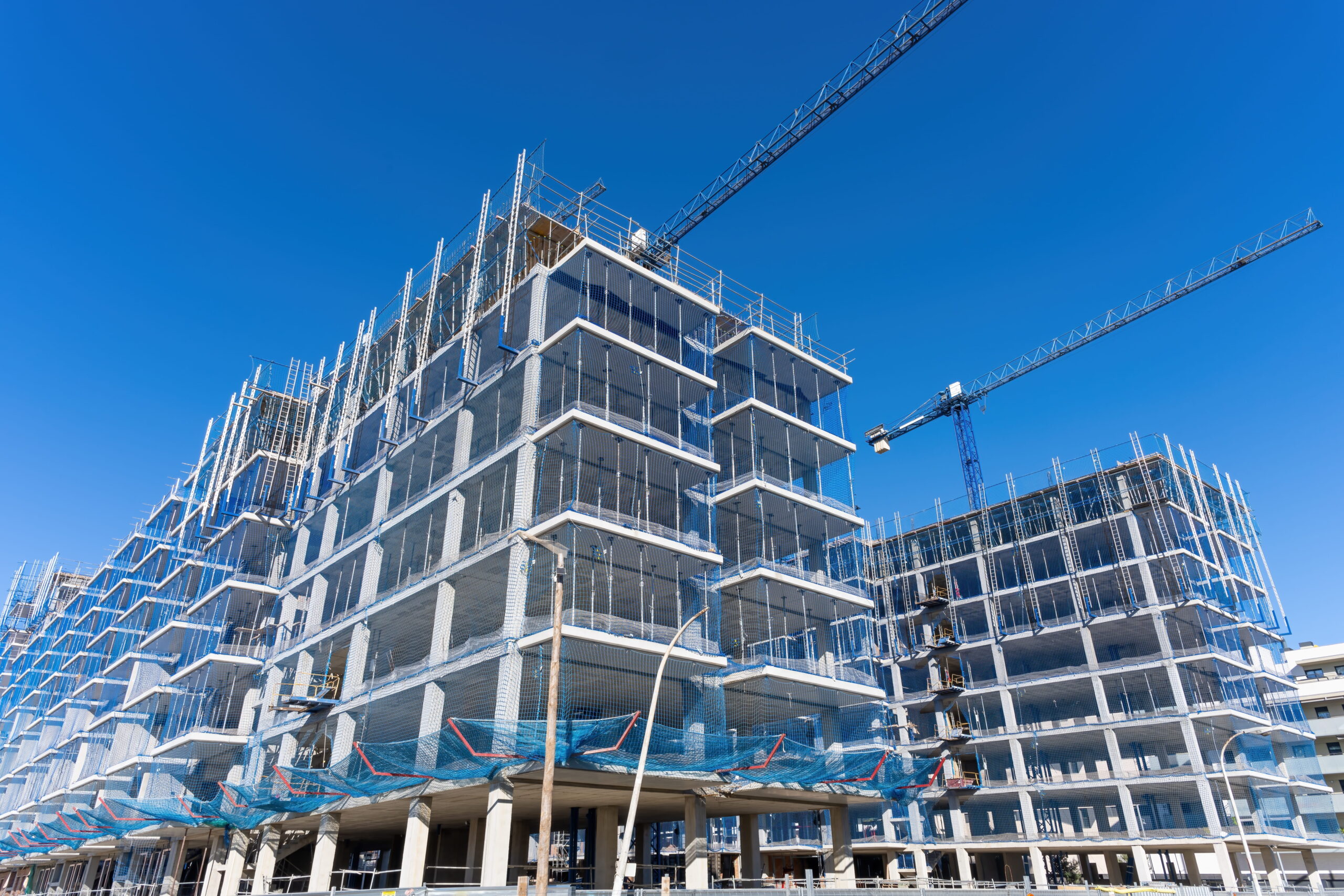
According to the latest report published by the Ministry of Housing and Urban Development, the housing market in Spain ended 2025 with significant acceleration across virtually all indicators. One of the most notable indicators is the increase in the number of construction projects started in the private sector – 34,200 properties in the fourth quarter of the year. This represents growth of 14.5% compared with the same period in 2024 and is the highest figure in the last 17 years.
This growth is not limited to new construction alone. The Ministry emphasizes that renovation, activity in the residential real estate market and financing also reached record levels.
Transactions and mortgage lending
A total of 200,441 home purchase and sale transactions were registered, representing a slight increase of 0.6% compared with the previous year, but confirming stable demand. The market continues to be dominated by resale housing, which accounts for 90% of transactions.
At the same time, there is an upturn in lending. The number of mortgages increased by 8.7% year-on-year, reaching 133,358 – the highest figure in the last 15 years. The average loan amount was €169,827 per home, while the total amounted to €22.648 billion (21.5% more year-on-year). Mortgage financing was used in 66.5% of transactions, the highest figure for the fourth quarter in the last 14 years.
Construction activity and employment
Construction activity also showed clear signs of acceleration. The total budget for construction works increased by 11% compared with the previous year and amounted to €7.048 billion. The volume of new construction works reached €5.4198 billion, while extension and renovation works set a historical record – €677.2 million. This growth is partly linked to support from European funds.
The sector’s upturn is also reflected in employment. As of the end of 2025, 1,698,100 people were employed in construction (+5.1% year-on-year). In absolute terms, this means an increase of 82,100 workers, strengthening the sector’s position as one of the drivers of the Spanish economy.
Price growth and housing affordability
However, this dynamic has a clear problem – rising housing prices, with the average price increasing by 13.1% to €2,230/m². At present, in order to buy an apartment or a house, a family needs to spend an amount equivalent to almost eight years of its gross income (7.98 years).
At the same time, rental yield continues to decline. According to the Bank of Spain, it fell from 4.09% in 2018 to 3.05% in the fourth quarter of 2025. This decline reflects a shift in the market balance: rising prices reduce the relative profitability of rental housing.
By the end of 2025, the real estate market is in a phase of active growth, with indicators resembling the periods preceding the 2008 crisis. However, this boom is accompanied by an increasingly obvious structural problem: access to housing is becoming more difficult, as prices are rising faster than incomes. The task for the coming years will be to balance this growth through measures that guarantee the affordability of residential real estate.