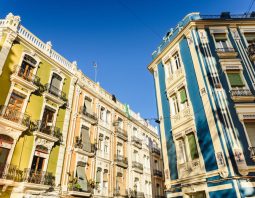
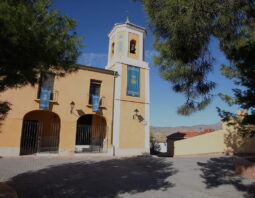
San Juan de Alicante is a small municipality located to the north-west of the city of Alicante – the capital of the province of the same name. On road signs, in the news and in official documents you may come across different spellings of the town’s name: in Spanish – San Juan de Alicante, in Valencian – Sant Joan d’Alacant. The shortened name San Juan is also often used.
San Juan de Alicante is part of the comarca of El Campo de Alicante (or L’Alacanti), which brings together 10 municipalities, including Alicante itself. Until recently, it was a small town – a typical representative of the Spanish hinterland, full of the atmosphere and charm of old Spain. Today, San Juan is more than just a neighboring town of Alicante. Located only ten minutes from the city center and five minutes from the beaches of Muchavista and Playa de San Juan, San Juan has become one of the most in-demand places to live in the comarca.
Its growing popularity is driven not only by the city’s natural expansion, but also by the deliberate choice of those who are looking for a high quality of life, tranquility, comfort and amenities close to the coast and vibrant city life. San Juan de Alicante has gradually turned into a prestigious suburb of Alicante, offering a compromise between living in a noisy capital with heavy traffic and living on the outskirts with more privacy and closer to nature.
In many ways, San Juan de Alicante’s appeal comes from its calm, unhurried pace of life, a family-friendly atmosphere, and the absence of the overcrowding that is so typical for other coastal areas and has become a serious issue, especially in the summer months. Locals often list among the key conveniences that you can walk to anywhere you need, that there are schools, medical centers and parks – yet there is no noise and no traffic jams. Many moved to San Juan from central Alicante and are convinced it was the best decision they made.
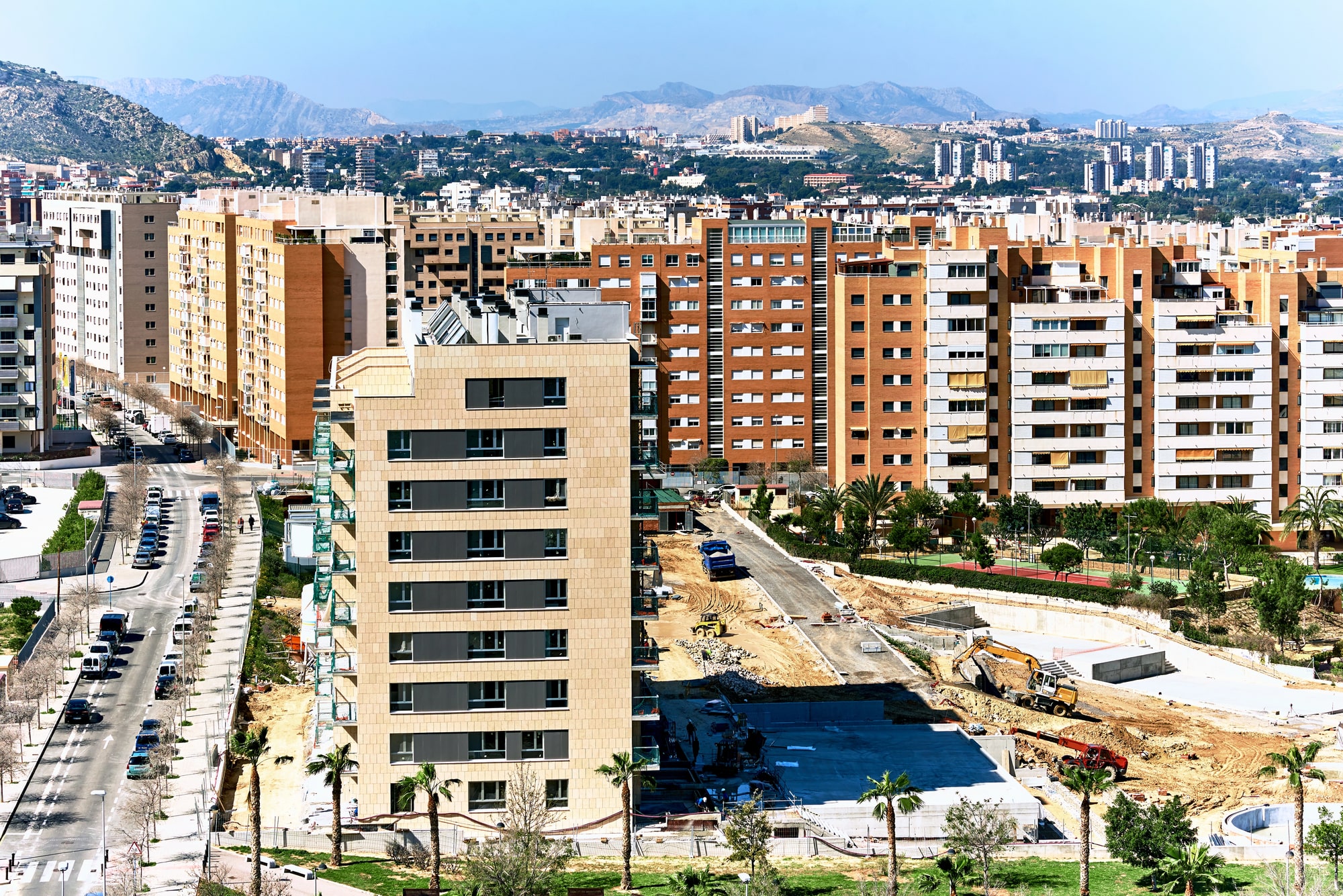
San Juan de Alicante in numbers
From San Juan to the center of Alicante it is about 8 km. By local standards, it is literally within easy reach. The sea is even closer: the beaches of the Playa de San Juan area are located 2–3 km away.
The city has about 26,000 residents; around 20% of them are foreigners, mostly from European and Latin American countries. The municipality covers a very small area – 9.64 km2 – so the population density is fairly high: 2,680 people/km2.
The railway stations and airports closest to San Juan:
- Alicante railway station – 12 km
- Elche–Alicante International Airport – 25 km
- Murcia International Airport “Corvera” – 117 km
- Valencia–Manises International Airport – 178 km
According to many people relocating to the area, one of the factors that most strongly influences the decision to move to San Juan is its excellent transport infrastructure. Convenient access to the A-70 motorway makes it possible to reach the nearest international airport, Elche–Alicante, in just 20 minutes. There are also convenient exits to the A-31 and A-7 motorways and to the N-332 national road, which runs along the entire Costa Blanca coastline.
In addition, regular bus routes connect San Juan with Alicante, San Juan Beach, El Campello, Muchamiel, the San Juan Hospital, and the university in San Vicente del Raspeig. The service frequency, especially during rush hour, allows many residents to do without a car in everyday life. And with the launch of TRAM – a tram line between Alicante and Muchamiel – the transport infrastructure will become even more convenient.
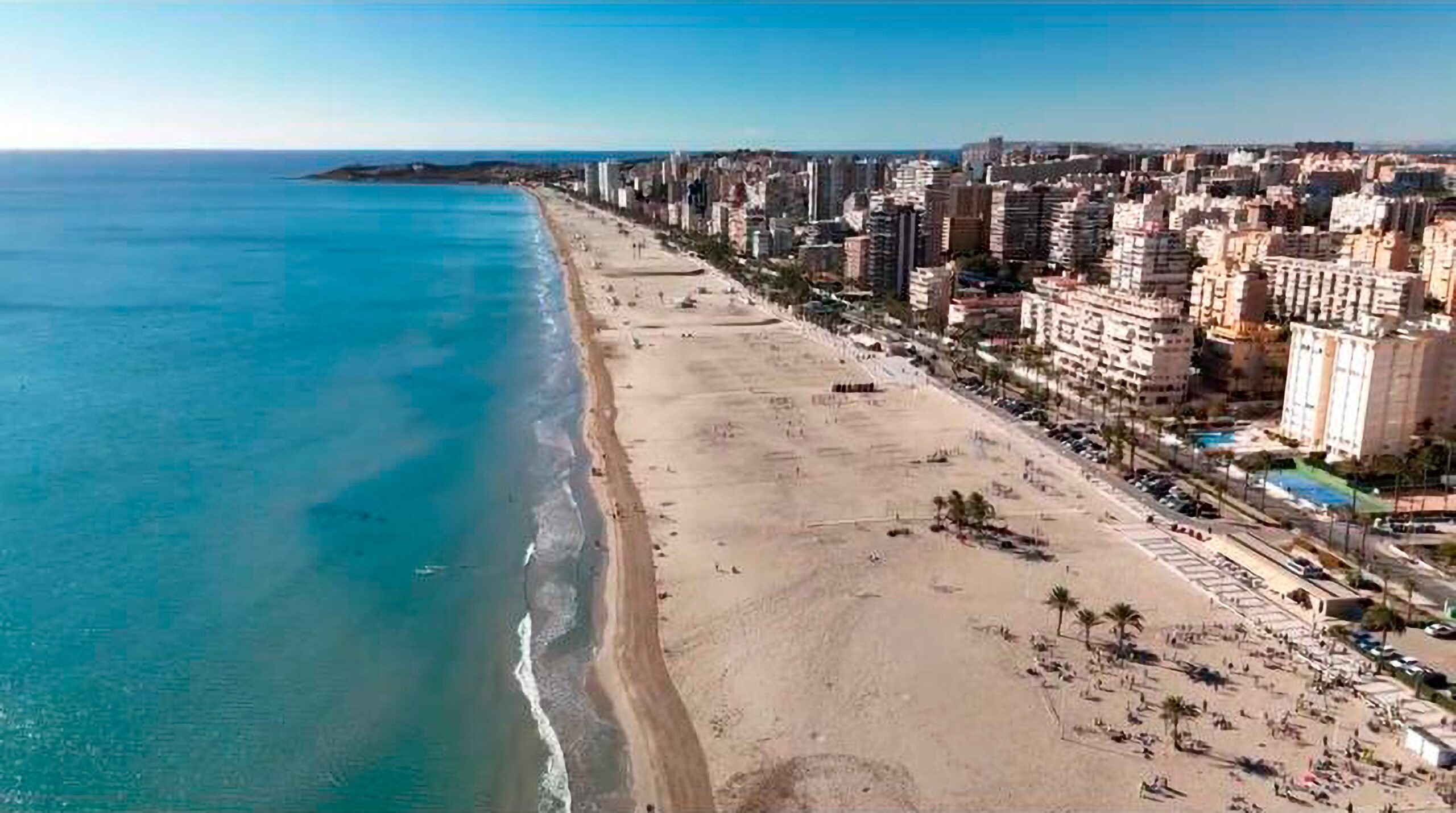
Distance from San Juan de Alicante to neighboring municipalities:
- Muchamiel – 1 km
- Playa de San Juan – 2 km
- El Campello – 5 km
- Alicante – 8 km
- Santa Pola – 28 km
- Benidorm – 37 km
- Elche – 37 km
- Altea – 50 km
- Calpe – 55 km
- Denia – 83 km
Climate of San Juan de Alicante
San Juan de Alicante is located on Spain’s Mediterranean coast, known for its mild winters, hot summers and minimal rainfall. The local climate can be described as a moderately dry Mediterranean climate with a large number of sunny days (over 300) and moderate humidity for most of the year.
Winters in this part of the coast are always mild: average daytime temperatures in January usually stay around +16–17°C, and nighttime temperatures rarely drop below +7°C. In summer, the air warms up much more: in August, average daytime highs reach +30–31°C, while nighttime temperatures are around +22°C. Daily fluctuations are relatively small thanks to the proximity of the Mediterranean Sea, which softens the climate. Rainfall in the San Juan area is low – up to 300 mm per year. Windy days are possible in winter and spring, and February is traditionally considered one of the windiest months.
Long daylight hours at this latitude and comfortable weather attract outdoor enthusiasts. In San Juan you can practice any sport year-round, or simply enjoy hiking or cycling in the surroundings. The swimming season usually lasts from late May to late October, but even in the off-season the water rarely drops below +14°C, which appeals to winter swimmers. In summer, sea temperatures reach record highs of +26–28°C.
Infrastructure of San Juan de Alicante
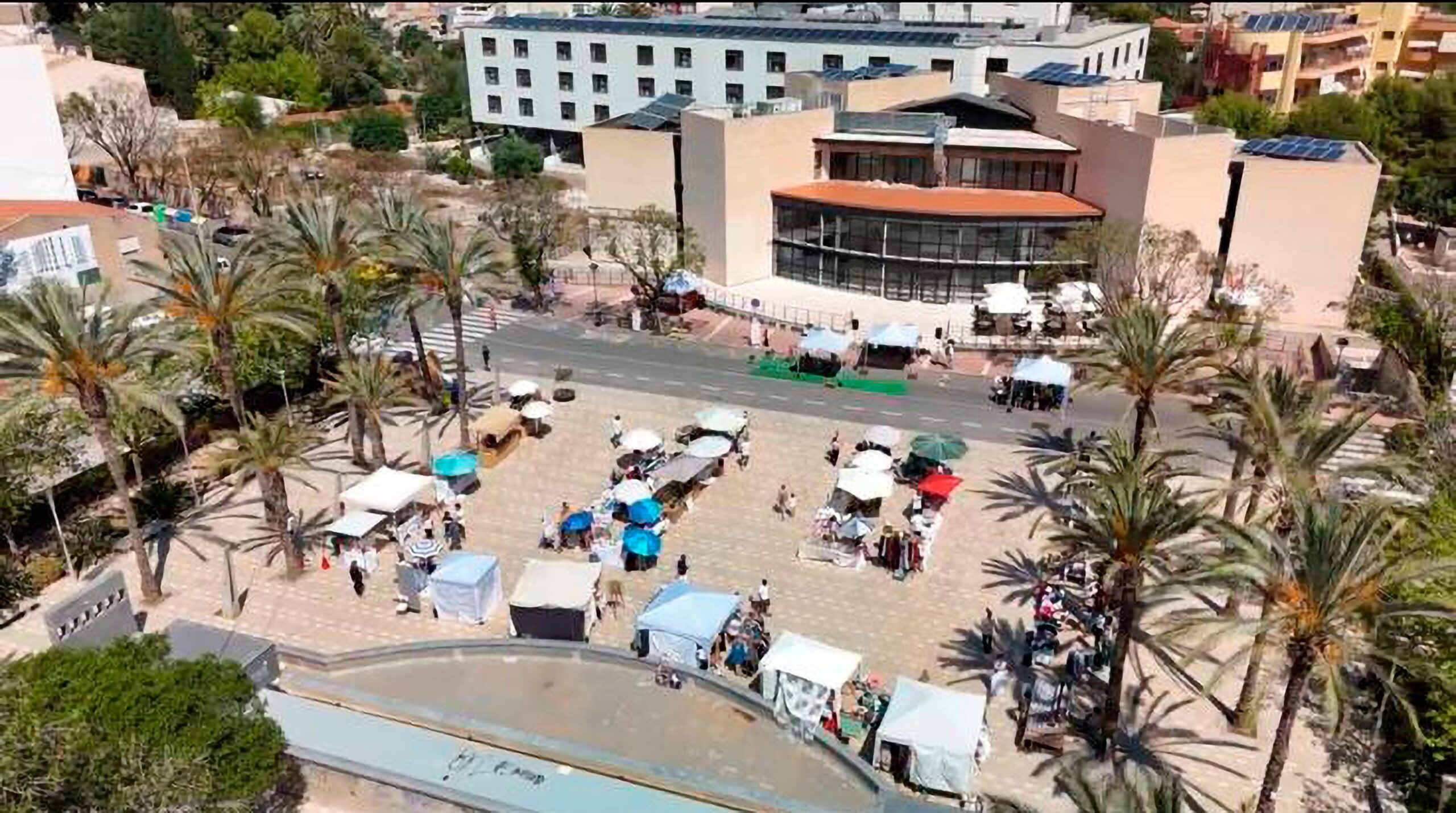
San Juan is located in the central part of the Costa Blanca coastline, close to major resort cities, beaches, Benidorm’s theme parks, natural parks and mountain ranges. The municipality itself is the center of the historic farming area of fruit orchards and vineyards known as Huerta de Alicante; the city’s entire history is inseparably linked with agriculture, which for centuries defined the region’s development. Today, tourism, services and construction have taken the lead, but many traces of the agrarian past have been preserved. The most significant historic landmark is the Tibi reservoir dam – the oldest in Europe, built in the late 16th century and faithfully serving for more than 400 years.
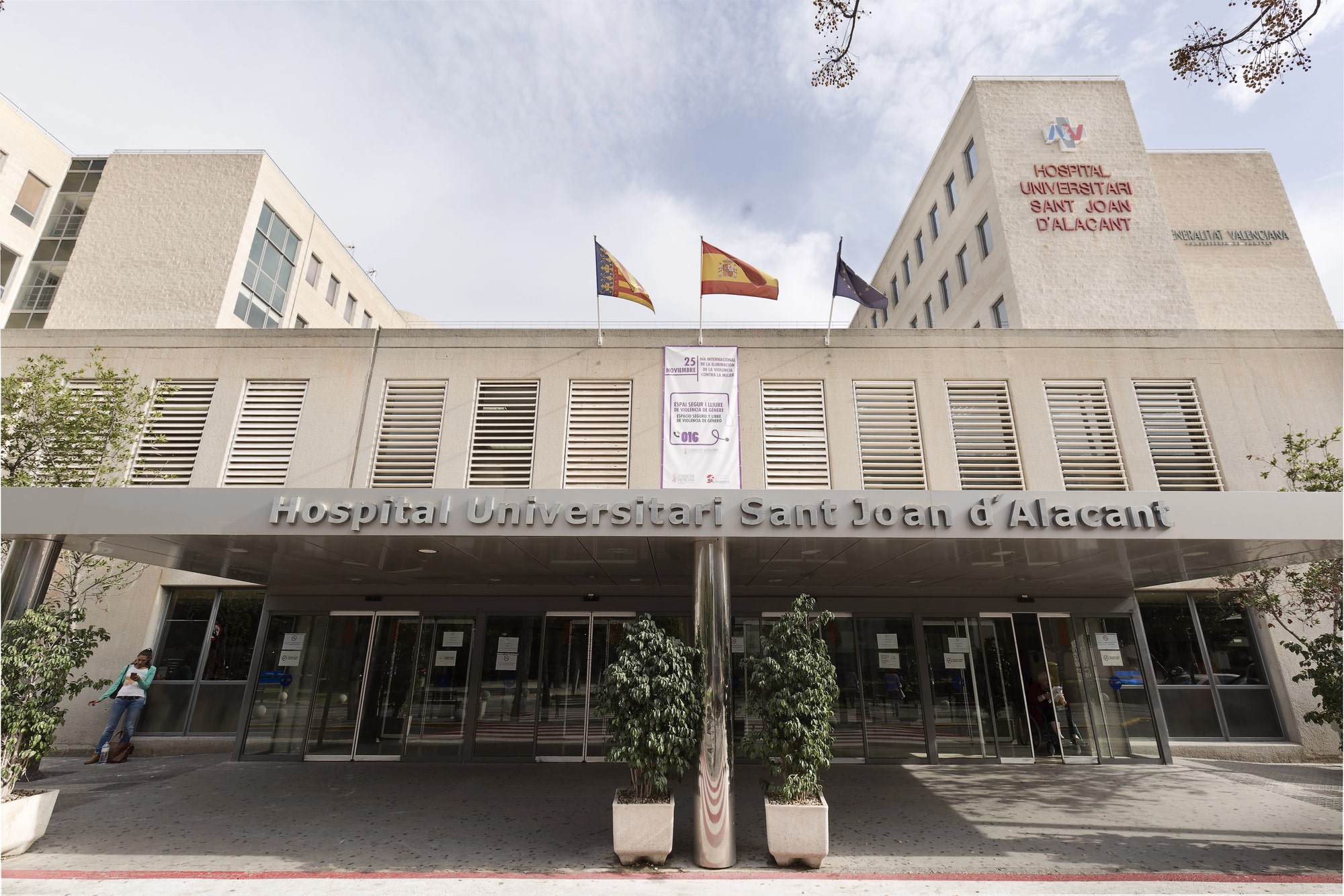
However, modern San Juan is, first and foremost, a center of advanced medicine. It is home to:
- The Faculty of Medicine and the Faculty of Pharmacology of Miguel Hernandez University;
- The Institute of Neurosciences – a national research center and a joint project of the Spanish National Research Council and Miguel Hernandez University in Elche; the largest public center in Spain focused on brain research;
- San Juan de Alicante University Hospital;
- A psychiatric center;
- The Valencian Community Blood Transfusion Center.
The city has several schools, an excellent municipal library with a large collection, a city sports complex, independent sports clubs and associations, and a House of Culture, where a local short-film festival is held every year. In the very center of town, there is a municipal market, and fairs and mobile stalls selling eco-produce from local farms are held regularly.
Strong social infrastructure, environmental quality and overall ecology make San Juan so attractive for living. Statistics from recent years clearly show how the composition of residents is changing. Today, San Juan is chosen by young professionals, families with children and digital nomads, whereas a few years ago the balance was shifted toward the older generation. The city is getting younger; new construction is actively underway, and modern residential complexes meet new standards of convenience and energy efficiency.
History of San Juan de Alicante
The history of San Juan de Alicante goes back to deep antiquity. The first archaeological finds – fragments of painted Iberian ceramics, Roman terra sigillata, and bronze coins – indicate that these lands were inhabited as far back as the ancient period. Fertile soils and abundant water resources contributed to this.
Before the arrival of the Muslims, there were small settlements here. Major changes began during the era of Arab conquest: small rural communities or hamlets formed on the territory of the future town – Maigmona, Beniali, Benimagrell and Lloixa. There was also a mosque, presumably on the site of the modern church. The Reconquista of the mid-13th century liberated San Juan (together with Alicante) from Muslim rule. The Arab mosque was consecrated as a Christian church in honor of John the Baptist, and the settlement took his name: San Juan in Spanish means “Saint John” (John the Baptist). In 1304, the lands were officially incorporated into the Crown of Aragon.
San Juan’s uniqueness is closely connected with Huerta de Alicante – an area of fertile agricultural land permeated by a complex network of canals. This irrigation system not only supplied fields with water, but also shaped the layout of urban settlements.
In the 16th–17th centuries, the main local disaster was frequent raids by Barbary pirates. To protect against them, a chain of watchtowers was built, some of which have survived to this day: Ansaldo, La Cadena, Salafranca and Bonanza. These towers were used to transmit smoke and light signals, helping farmers take shelter or prepare for an attack. Today, the towers are considered cultural heritage sites. Yet the main historical and architectural legacy of San Juan are the farmhouses, country estates and mansions of wealthy Alicante families. Some of these buildings – for example, Casa-Torre de Ansaldo – also have cultural heritage status and are being restored by the municipality with support from European funds.
For a long time, San Juan was administratively subordinate to Alicante until it gained independence in 1779. In 1885, King Alfonso XII granted San Juan city status. Until 1916 it was officially called simply San Juan, and then it received the addition “de Alicante”. In the 20th century, San Juan gradually moved away from a traditional agricultural way of life and embraced an urban model: city boundaries expanded, new neighborhoods were built, tourism, education and healthcare developed, as well as construction and the service sector. Today, San Juan de Alicante is a vibrant city with an interesting history and strong potential.
Winemaking and gastronomy of San Juan de Alicante
Before the phylloxera epidemic that affected the vast majority of Spanish vineyards in the late 19th century, San Juan de Alicante was a winemaking region. This is where the production of Fondillon – a famous Spanish dessert wine – originated. It was made from overripe Monastrell grapes, and long aging without added alcohol produced a strength of 16–18 degrees. In essence, Fondillon is not a fortified wine, but a product in its own right on a par with sherry and port, with a rich and complex bouquet reminiscent of cognac, notes of dried fruit and nuts, and excellent pairings with cheeses, pates and desserts. Fondillon was served at court (it was often called the “royal wine”) and in noble homes; it was extremely popular in Spain and was exported to other countries. Its production continues today, but in a completely different area – the Vinalopo wine zone of Alicante province.
The cuisine of San Juan de Alicante – an agricultural area – was based on rice, fresh vegetables and fruit, as well as fresh fish and seafood. One could say that local cuisine is a variation of Mediterranean cuisine, centered on seasonal local produce. Traditional dishes include:
- Arròs amb ceba – rice with onions and potatoes, sometimes with legumes and fish; a historic dish of simple peasant cuisine.
- Olleta – a thick rice stew with seasonal vegetables.
- Bollitori – a lean vegetable dish with salted cod.
- Putxero – a slow-cooked meat stew, traditionally served at large family and festive lunches.
- Coca amb tonyina – a local variety of tuna pie.
Architectural and natural attractions of San Juan de Alicante
Among San Juan’s main attractions, the 16th–17th century watchtowers stand out – witnesses to the centuries-old history of Huerta de Alicante and a symbol of the region. For many years they served as observation posts over the sea and coastline, warning locals in time about the appearance of pirate ships. Around the same period, from the 16th to the 18th century, chapels were built in San Juan, many of which have been well preserved: Santa Ana, San Roque, Loreto and Calvari. In the town center, on Plaza de Espana, next to the city hall, rises the parish church of San Juan Bautista (17th–19th centuries), built at the crossroads of main roads. Just a couple of steps from the church begin Calle San Antonio and Calle del Mar – among the oldest streets in town, preserving San Juan’s authentic character. On the southern outskirts there are the Santa Faz church and monastery.
Special attention deserves the 19th-century estates and villas that once served as summer residences for many noble families. Many buildings are well preserved; some are privately owned, others are for sale, and others have become public buildings: Finca Pedro Jose – courthouse, Finca el Reloj – youth center, Finca Abril – venue for city events and music festivals, Finca Espinos – the Torre de San Juan hotel building, Santa Luzia and Villa Antonia – excellent restaurants, Casa Pritz – the municipal council.
On the western outskirts of town lies La Concepcion y Manzaneta park. Originally, these were two separate estates with picturesque gardens; later they were united and turned into a city park. A little further west, beyond the city limits, is Calvari hill with a viewpoint offering beautiful panoramic views of the surroundings. A recreation area has also been arranged there, with picnic tables installed.
Real estate in San Juan de Alicante
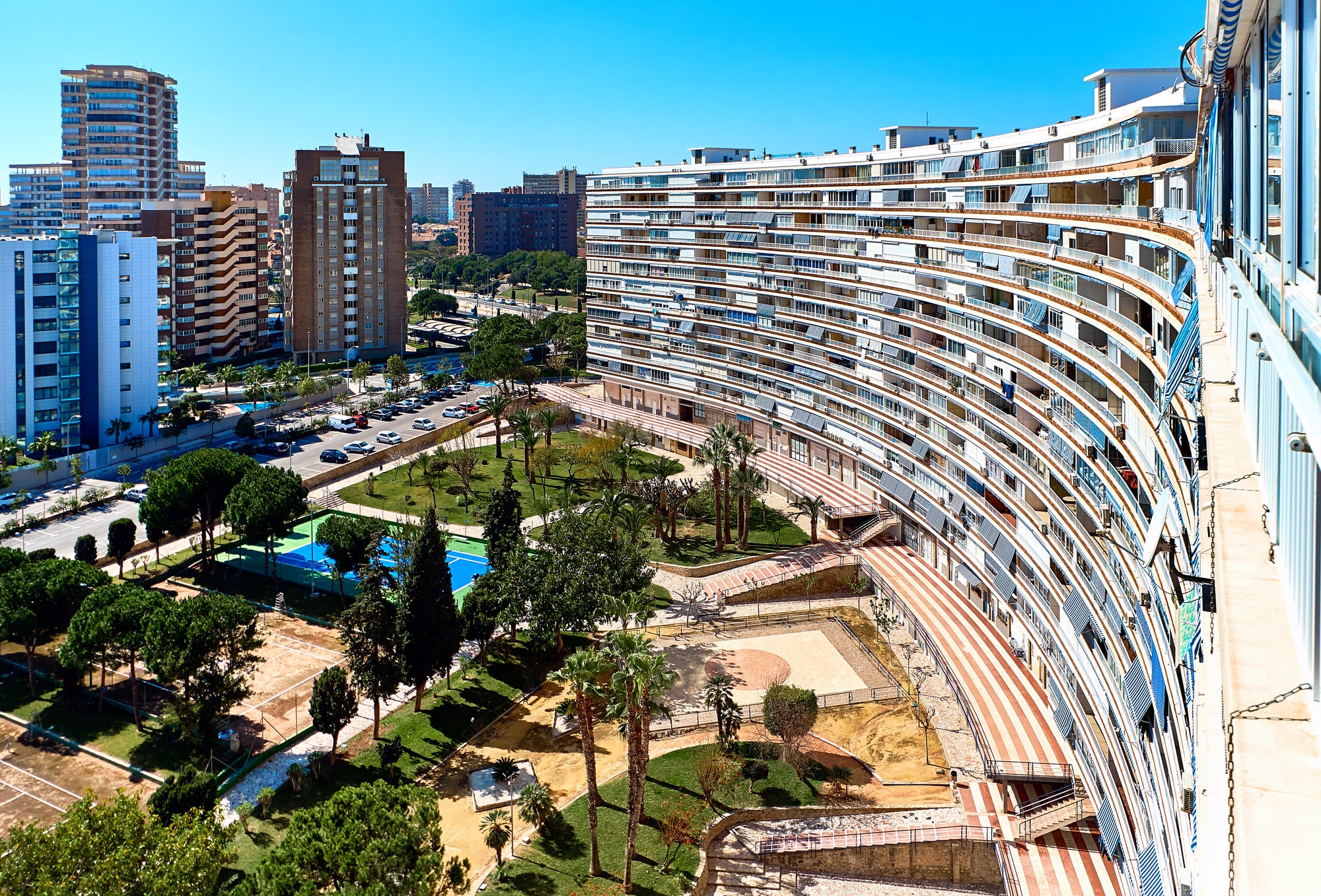
In Spain, in November 2025, the average price per square meter of housing on the secondary market was €2,605; in Alicante province – €2,670; in San Juan de Alicante – €2,590. Price growth is moderate: year-on-year dynamics show +5.5%.
Since the municipality is small, administratively it is divided into only four districts:
- Nou Nazaret – Frank Espinos – the south-eastern district on the border with Alicante and El Campello. From here it is closest to the provincial capital – the Playa de San Juan–El Cabo area. Housing here costs €3,278/m2.
- Salafranca – Lloixa – the south-western district on the border with Alicante and Muchamiel, farther from the sea. Housing cost – €2,218/m2.
- Centro – the central district, the oldest and also the most convenient, as all key infrastructure is within walking distance. A square meter in the center costs €2,331.
- La Font – Mezquitas – the northern district on the border with Muchamiel and El Campello. Prices hold at around €3,033/m2.
San Juan de Alicante is not a resort town, so you rarely find studios and small apartments for sale, which are so popular on the coast. Here, housing is largely designed for families and permanent residence. Prices for apartments ready for immediate move-in start from €120,000. Townhouses and semi-detached houses can be found from €150,000 (for major renovation) or from €250,000 in good condition; detached houses start from €340,000; classic Mediterranean villas – from €750,000; modern villas – from €1,200,000. Prices for new builds start from €218,000 for a 2-bedroom apartment and from €555,000 for detached 4-bedroom houses.
New Alegria residential complex in San Juan Pueblo
Alegria presents a new project in San Juan de Alicante (San Juan Pueblo). Below are the key parameters and reference points for the complex. Reservations are already open.
Apartment prices
- 1 bedroom – from €220,000
- 2 bedrooms – from €240,000
- 3 bedrooms – from €300,000
Apartment package (included in the price)
- Parking space and storage room.
- Full set of furniture and decor.
- Kitchen with appliances + small appliances (kettle, coffee maker, mixer, etc.).
- Tableware.
- Underfloor heating in the bathroom.
- Air conditioning.
Complex amenities
- Swimming pool.
- Gym.
- Sauna.
- BBQ area and a garden on the solarium.
Construction completion: summer 2028.
Information is preliminary and may be updated after the final project documentation is published.