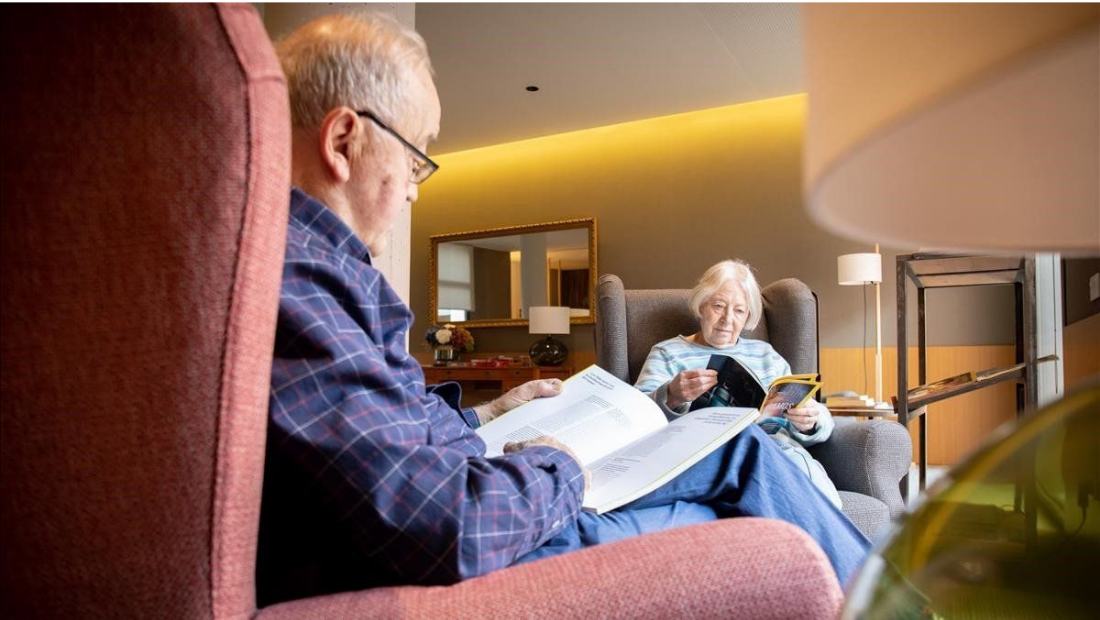
According to a report by the consultancy Colliers, Spain will need 200,000 new places in retirement homes over the next 15 years. This is due to the continuing ageing of the population: by 2050, 37% of the country’s residents will be over 65, and in 2035 the figure will be 25%, roughly the same as in Germany, France, the United Kingdom, Italy, the Netherlands, Denmark and Poland.
Most of them will belong to the so-called “baby boom generation”, who will have greater purchasing power than today’s pensioners. As a result, they will expect more from the quality of their housing, its modern appliances and the standard of medical care.
As of 2019, Spain had more than 363,000 places in retirement homes, of which 144,000 were in the private sector, 96,000 in the public sector, and the rest were shared among various charities and non-profit organisations. Recently more and more investors have shown interest in this segment of the Spanish property market, including foreign investors from the EU, Asia and North America. In 2020 total investment exceeded 260 million euros, and this year it is expected to reach 600 million.
For example, the investment fund Healthcare Activos, which specialises in this type of property, bought five residences at once that had previously belonged to the insurance company Mapfre. Another fund, Adriano Care, bought two residences in Lugo and Terrassa for a total of 16 million euros, while Icade and Amavir invested 22 million in building two similar facilities in Ciudad Real and Madrid. The first will be completed in the second quarter of 2023, and the second a year earlier.
The shortage of supply in retirement homes therefore opens up new opportunities for investors in Spain: in the near future, investing in this segment will be very profitable and able to deliver high and stable returns.