Of course, a digital nomad is not someone willing to sit at a computer 24/7 living on pizza and chips. Modern online professionals are demanding about infrastructure, the socio-economic level of the host country, safety, and the quality and cost of living. In this respect, Spain is truly unique: you can not only vacation comfortably, but also live here year-round with your family, enjoying the sea, Mediterranean climate, moderate prices, and solid infrastructure. Spain is also wonderfully diverse, so everyone can find a place to their taste: big cities or authentic small towns, the mainland or islands, the hot south or the milder north.
Let’s look at the best cities in Spain for digital nomads in 2025 and assess their pros and cons objectively.
The best cities for digital nomads in Spain on the Costa Blanca
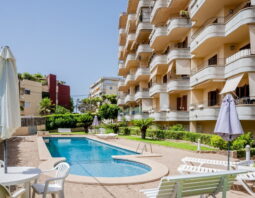
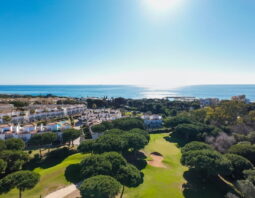
The Costa Blanca is Spain’s warmest coastline. The swimming season lasts longest here, real estate is still sold at moderate prices, and the international airport lets you change scenery at any time. The Costa Blanca varies widely in nature, terrain, and housing prices.

Alicante — the capital of the province of the same name — is the 10th largest city in Spain, while the province itself ranks 4th by population. Alicante is modern, dynamic, lively, and a bit noisy. It’s a great choice if you don’t want a slow rural rhythm and instead seek movement, buzz, and active leisure. In Alicante you have beaches, large shopping centers, a university, and transport hubs (port, airport, train station) at your fingertips. Yet a 30–60 minute drive lets you escape the city to lush natural parks and charming historic towns. Alicante can cover all needs — a compromise between pricey capitals and inexpensive countryside. In 2024, Alicante ranked 3rd worldwide in InterNations’ best cities for expats.
When evaluating Alicante for convenience and comfort, also consider San Juan de Alicante — a satellite city to the north forming a single urban area. Today it’s the most promising, fast-growing district, free of the downsides of a noisy commercial-transport center yet offering high quality of life and excellent modern infrastructure.
South Costa Blanca includes the cities of Torrevieja, Guardamar del Segura, Pilar de la Horadada, and the Orihuela Costa area. Long-term rents are cheaper here, though supply is tight. Still, no one who moved to the Costa Blanca for permanent residence in recent years was left without housing — you can find options if you define your needs clearly. South Costa Blanca means a calmer family life, unhurried beach days, moderate traffic, and great comfort for kids. The infrastructure is modern too, designed for discerning European retirees and tourists: there are several golf clubs, large shopping centers, and many new gated communities and urbanizations. The international airport is 40–60 minutes away by car.

Central Costa Blanca — Villajoyosa, Polop, La Nucía, Muchamiel — is a choice for nature and affordable real estate, even if beaches aren’t always within walking distance (except in Villajoyosa). New builds are booming here. For the price of a small seafront apartment, in Polop or La Nucía you can buy a townhouse or even a semi-detached home. Many people choose housing here not only for cost. The surrounding nature lets you plan varied trips, mountain hikes and rides, and other year-round outdoor sports. La Nucía has a good private international school following the British curriculum, so families don’t need to drive far for classes. Nearby are Benidorm and Finestrat: the former with modern city infrastructure, the latter with some of the best low-rise residential complexes in the region. Close by you’ll find several theme parks, a safari zoo, beautiful natural parks, and beaches with fine white sand. People who love nightlife choose Benidorm; families preferring peace and safety gravitate to Finestrat.
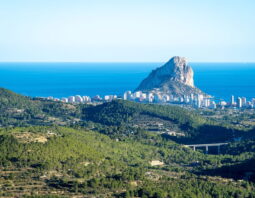
North Costa Blanca features small yet stunning resort towns: Altea, Denia, Jávea, Calpe, Benitachell, Moraira, Benissa. It’s the most expensive part of the coast, the most scenic in terrain and nature, and the most eco-friendly thanks to the absence of industry — but also the quietest, even sleepy. Pines, secluded coves, turquoise water, yacht marinas, tranquillity, and measured living — just what families and high-earning professionals seeking comfort and quality of life want.
City #1 for digital nomads in Spain: Valencia
If you aim to find a Spanish city that has everything you need for life — high quality without breaking the bank — that city is Valencia. Valencia is digital nomads’ #1 choice: in 2024 it again took 1st place in InterNations’ global ranking of best cities for expats, also leading in Quality of Life and Personal Finance. Valencia offers a rare combination of infrastructure, services, transport (international airport, high-speed rail), and reasonable prices compared to Madrid and Barcelona.

Valencia is both a student city (several universities) and a hub for young professionals building projects and startups. The housing crunch isn’t as severe as in the two big capitals, where shortages are compounded by sky-high prices. As Spain’s third-largest city, Valencia offers not only robust infrastructure for long-term living and remote work but also a rich calendar of cultural events, entertainment, exhibitions, and conferences.
Madrid — the best choice for active, ambitious digital nomads in 2025
Madrid, Spain’s capital, is the top option for young and successful professionals. The city is in the global Top 10 destinations for expats. Yes, it’s costly, summers are hot, and there’s no sea, but the advantages of capital life outweigh the few drawbacks. Public transport ensures excellent mobility: you don’t depend on a car or spend time in traffic. Madrid also has the country’s largest international airport serving hundreds of routes, so you can jet off to almost anywhere at any time. The city suits both solo residents and families: there’s a wide choice of schools (public and private), strong healthcare, and abundant leisure options.

Madrid is one of Spain’s key coworking centers: around 200 spaces operate today, and the main Spanish coworking conference took place here in 2024 and 2025. You can find day-passes and call rooms in almost any district, and regular meetups for digital nomads (networks like Impact Hub, Utopicus, Spaces, WeWork, plus Meetup groups) make it easy to build connections within 1–2 weeks.
As for housing, coliving works well in Madrid and is optimal for newcomers: you can ease into the city while searching for a permanent place, working, attending meetups, staying active, and enjoying culture. Be ready for coliving to last longer than planned: Madrid faces an acute shortage of long-term rentals and some of Spain’s highest rents. For budgeting, plan around €28–29/m². Stats suggest digital nomads in the capital spend about €4,000/month and prefer Usera and Carabanchel districts.
The best digital-nomad cities in Spain: Málaga and Costa del Sol resorts
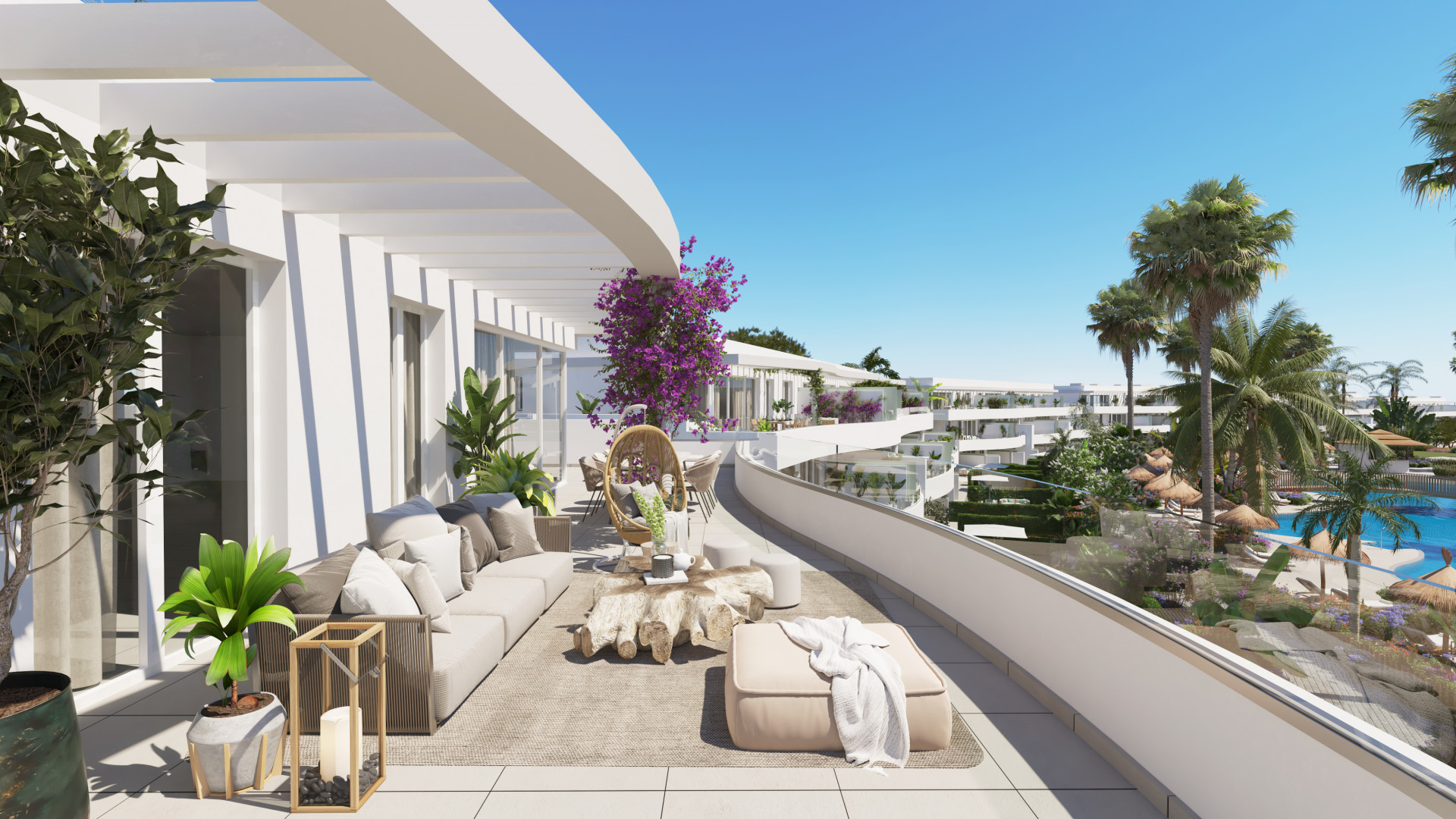
The Costa del Sol needs no introduction: Spain’s sunniest coast is synonymous with upscale living, wealth, and premium leisure. Yet municipalities differ widely in cost and rhythm, so you can choose based on personal preference. Meanwhile, Malaga — the provincial capital — actively promotes itself as Spain’s top destination for digital nomads, developing relevant infrastructure and creating all conditions for comfortable living and work. It builds on an already mature tourism industry to expand a tech ecosystem centered on IT and digital business.

Málaga attracts remote professionals with real, tangible services: the city platform Málaga WorkBay offers useful information and services, the Costa del Sol capital was the first in Spain to receive an AENOR certificate as a “digital nomad destination”, and Google’s cybersecurity center is located here.
A chain of resort towns stretches along the coast, blending into one another: from family-oriented Estepona and Mijas to nightlife-heavy Marbella and more budget-friendly Fuengirola. Housing affordability is an issue here too, though less acute than in Barcelona or Madrid.
Remote work on the ocean, surrounded by nature: Asturias
Asturias — Spain’s green gem — has drawn growing tourist interest in recent years, and many choose it for permanent residence. Spaniards tired of the Mediterranean coast and islands have rediscovered the north’s magnificent nature, pleasant climate, and affordable prices. Of course, northern Spain has distinct seasons, with cool, sometimes snowy winters and rainy shoulder seasons — but that’s exactly the climate that sustains its gorgeous nature, national parks, and dramatic coastline. Asturias lets you live close to nature, with the ocean, emerald meadows, and mountains on your doorstep.

If you don’t need heat, don’t mind rain and fog, dislike tourist crowds, and value peace and quiet, take a look at Asturias. Prices are a big plus: this underappreciated region is becoming pricier, but not as fast as those above, so shortages are less acute. And in terms of cost of living, larger cities like Gijón and Oviedo are far more attractive than Madrid and Barcelona.
For creative digital nomads unafraid of challenges: Barcelona
Barcelona — Spain’s “second capital” — is a trendy, modern, dynamic city with rich history, unique atmosphere and beauty, and strong live-work potential. Modern infrastructure, a packed cultural program, varied leisure, the sea and natural parks nearby — these are just part of Barcelona’s advantages. Add its own international airport (Spain’s second-busiest), a major passenger port, and two main train stations. A digital nomad tired from work can change the scene quickly and cheaply.
Barcelona has no coworking shortage: numerous spaces and networks — from Aticco and MOB to OneCoWork, Utopicus, and WeWork — offer day-passes, monthly plans, and hourly meeting rooms. Regular Meetup events for digital nomads are a fast way to build a network.

Housing is the hard part. After the Balearic Islands, Barcelona is Spain’s most supply-constrained city. Reasons range from speculative pricing to restrictive local policies. So far, successive restrictions haven’t helped: renting in the Catalan capital is very difficult and very expensive — roughly on par with Madrid. Many digital nomads widen their search to nearby satellite cities — Badalona, Sabadell, Mataró, and others. Coliving can help for a while and, to be frank, sometimes becomes the only long-term option. New listings draw queues of applicants almost instantly.
Barcelona has both safe and rougher areas; the closer to the historic center, the less comfortable and safe it tends to be. Pickpocketing in tourist hotspots and the metro is a problem. Even so, many digital nomads specifically want to live in Barcelona. It’s ideal if you want the sea and beach life, a large international community, and a vibrant urban lifestyle — and are willing to pay for it.
“Rural-style” digital nomadism
If, after reading the above, you feel Spanish cities aren’t for you and you need a different path to Spain as a digital nomad, consider a “rural” route — settling in the countryside where housing is cheap, modern civilization is miles away, but pastoral landscapes, total seclusion, tranquillity, and communion with nature await.
Spain is developing projects to attract young people, including digital nomads, to depopulating regions and abandoned villages. And these programs do have takers — specialists who value nature, low noise, clean air, and who don’t need a wide social circle or urban infrastructure.
Spain’s Red Nacional de Pueblos Acogedores para el Teletrabajo is a network of villages and small towns that officially meet minimum requirements for remote work: internet (4G/5G, preferably fiber), a place to work (coworking/library), basic social services (healthcare, banks, pharmacies, shops), and transport links. On the website pueblosacogedores.com you can filter municipalities by size and view each village’s “passport”.

Example: Nofuentes — a village of 102 residents in Castile and León, 80 km from Burgos — offers: accommodation from €50/week, meals from €77/week, coworking from €25/week. About 70 similar options with different budgets exist nationwide, mainly in Andalusia and the north.
Regions are trying to attract youth to the countryside. For example, in Extremadura a campaign ended in early October 2025 offering grants of €8,000–10,000 for moving to towns with fewer than 5,000 residents. Key conditions included digital-nomad status, age (up to 30 for men, no limit for women), and registration with a minimum two-year stay.
Galicia, for its part, is building a network of coliving centers for digital nomads in small towns to attract talent. The first were in Ponte Caldelas (Pontevedra) — the “Anceu” coliving — and Laxe (A Coruña) — the iSlow coliving. These run 15-day rural-style programs — paid, curated colivings — serving as a test drive of rural life before moving.
Spain’s “pueblos acogedores” are no longer a romantic showcase but a working project: demand is growing, concentrated where municipalities ensure connectivity, basic services, and family-friendly infrastructure. The best sellers aren’t tiny hamlets but small towns of 2–5 thousand residents with stable internet, equipped workspaces (coworking or library), basic healthcare, a bank, and convenient links to the nearest city. In such locations, local authorities often help with registration and school enrollment, attracting not only solo professionals but also families planning at least a full school year.
Not sure what to choose? Contact us to select the best property for your needs. Browse our offers in the catalog.