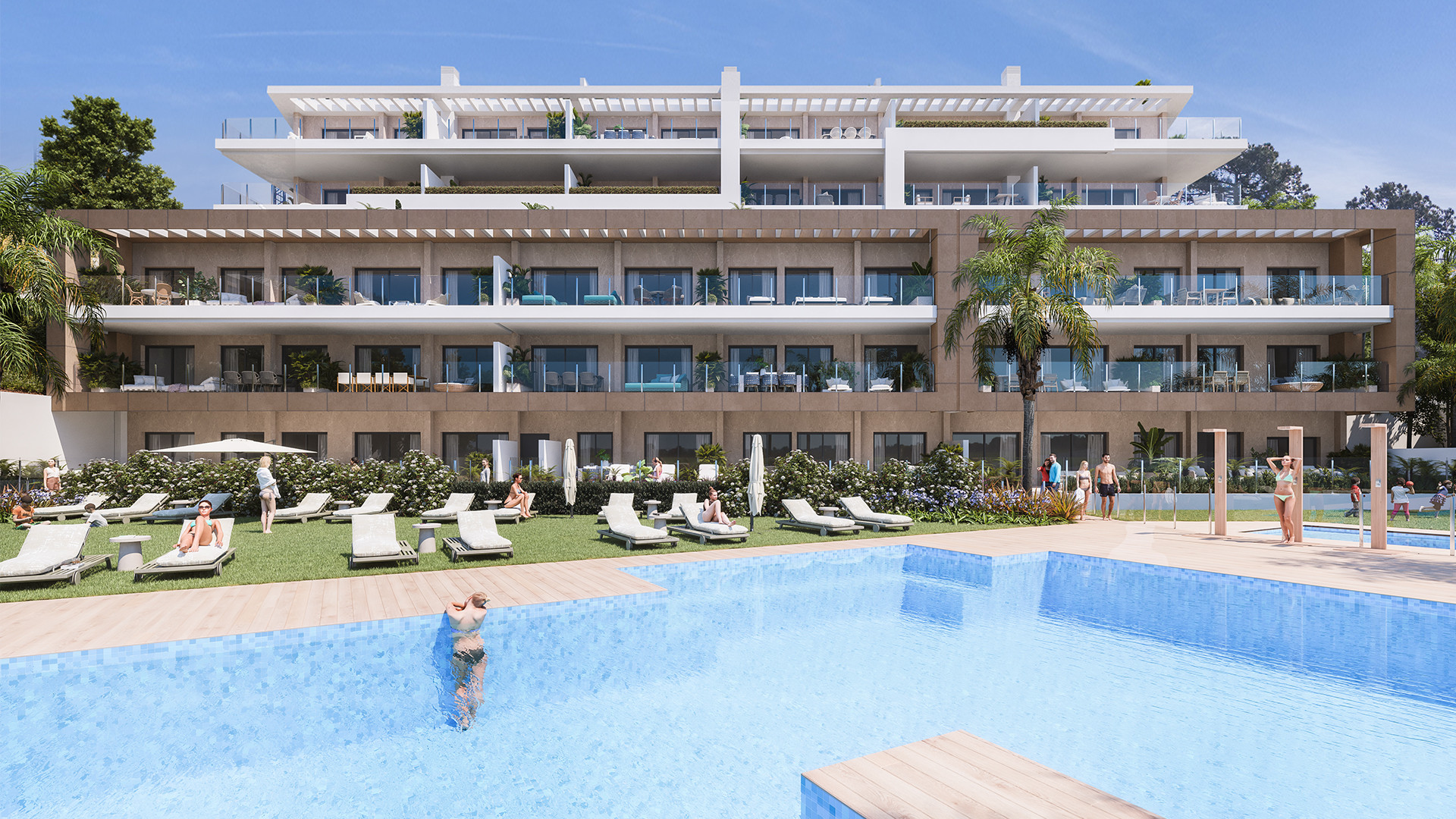
The premium real estate segment is strengthening its position
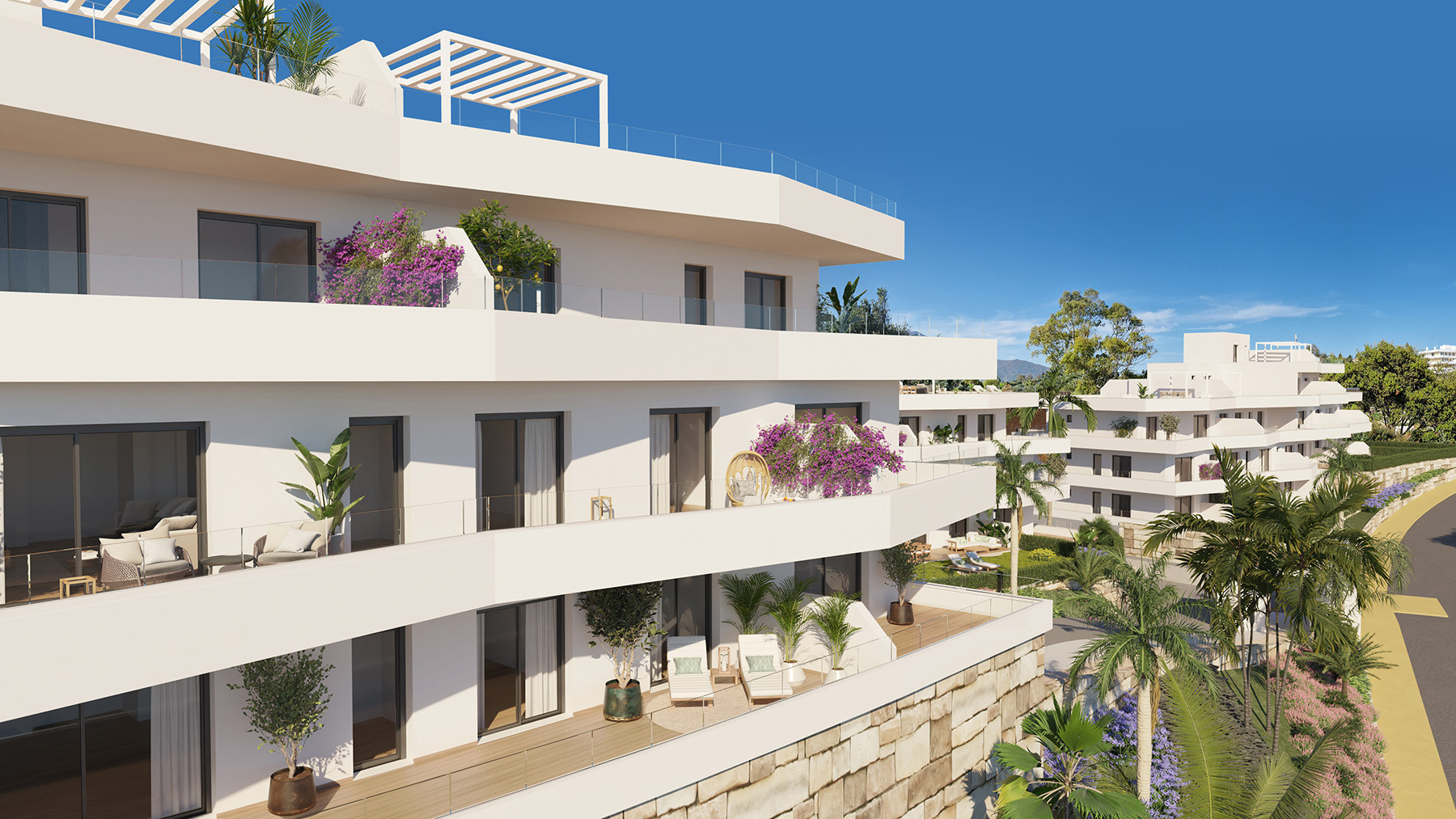
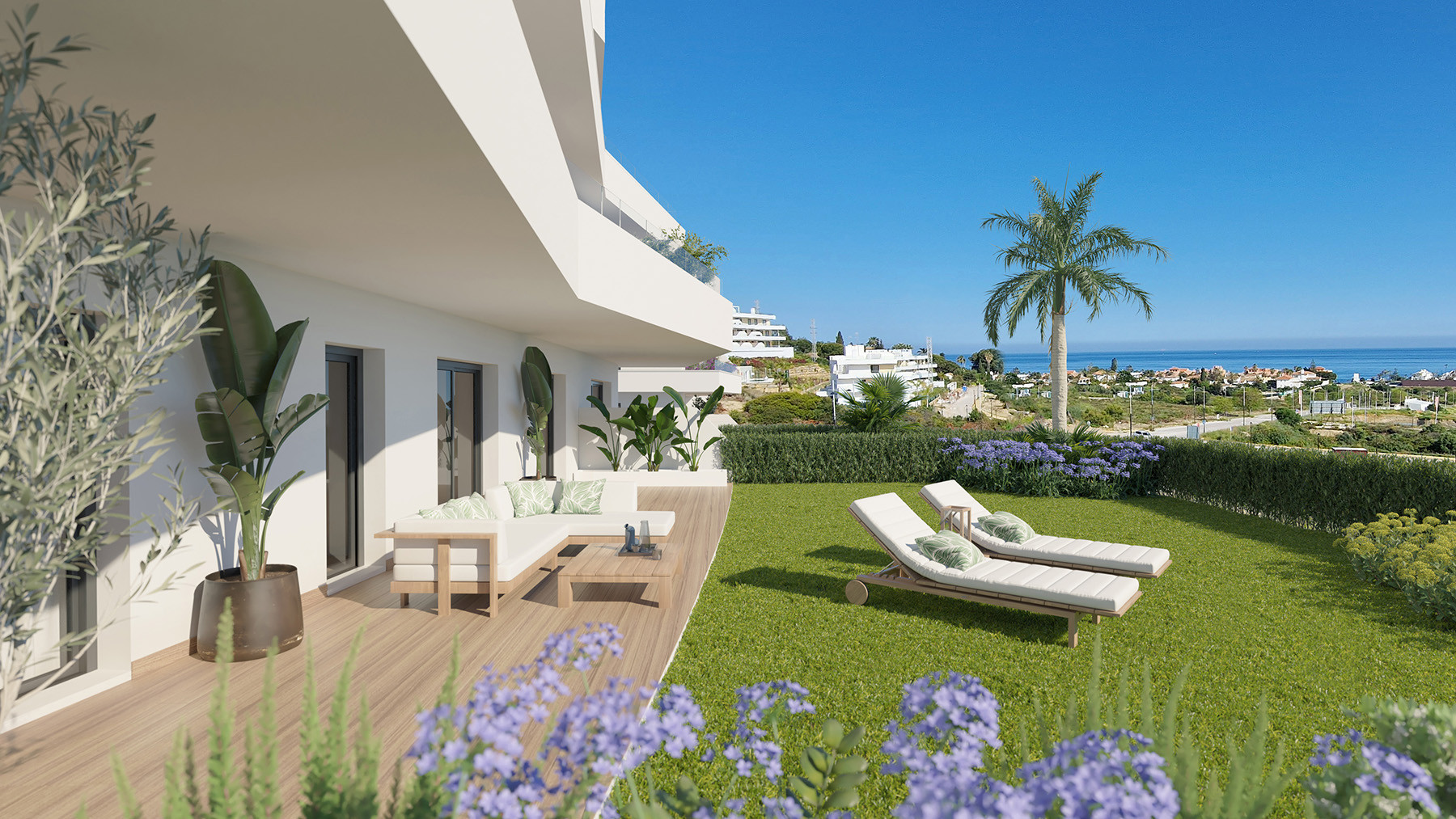
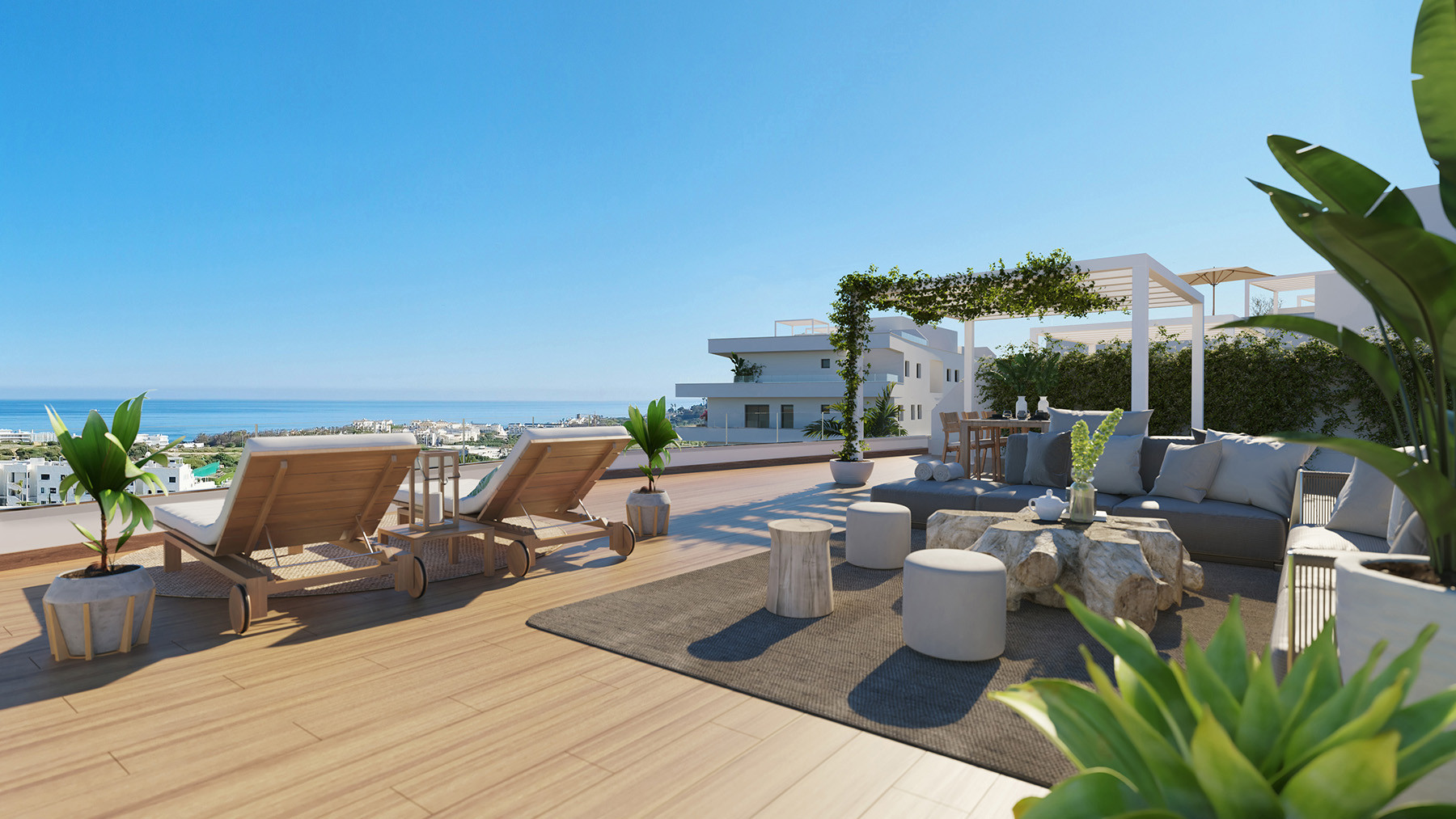
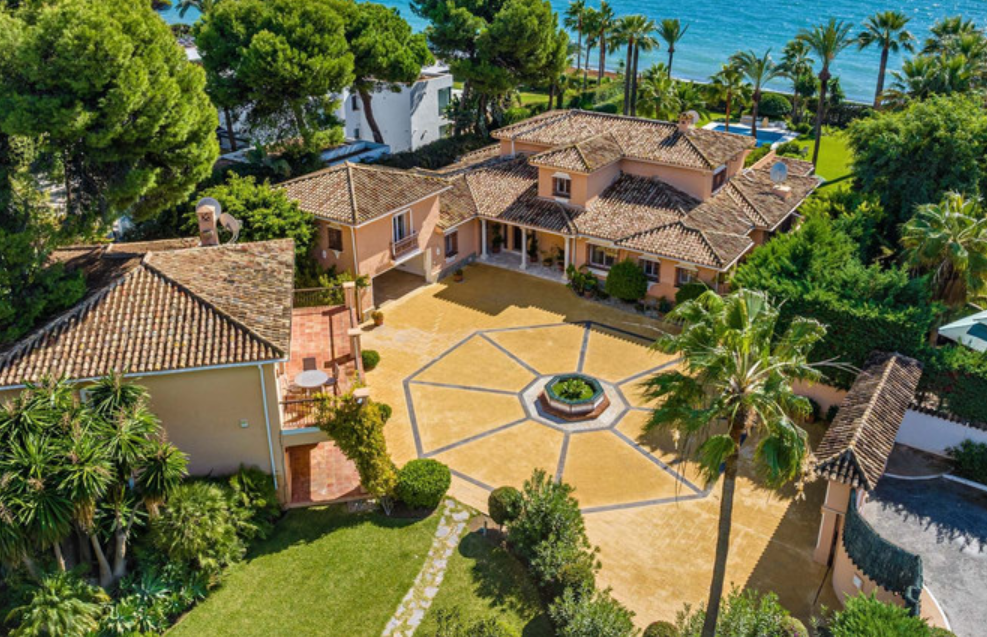
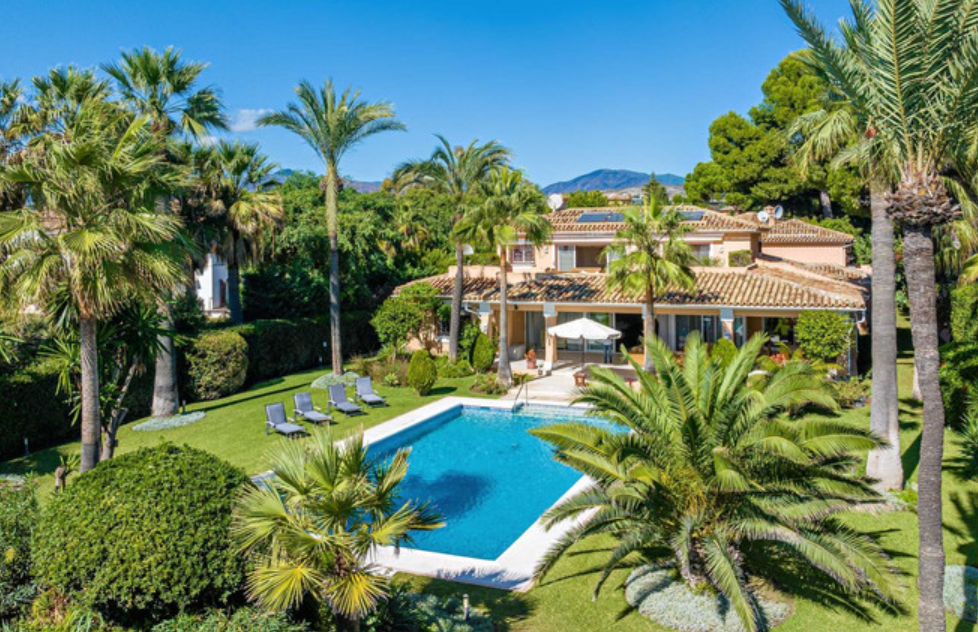
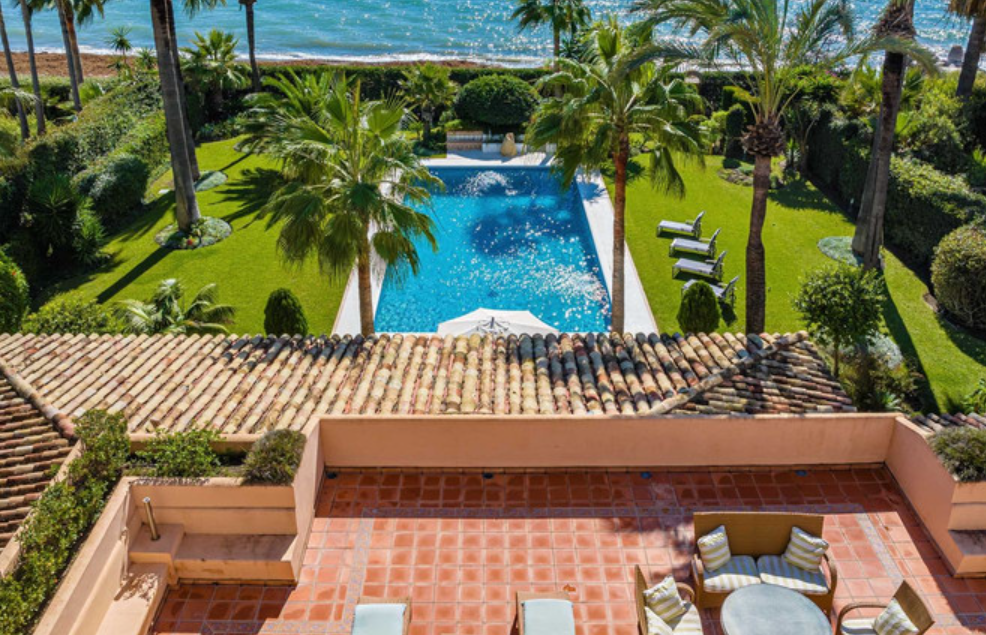
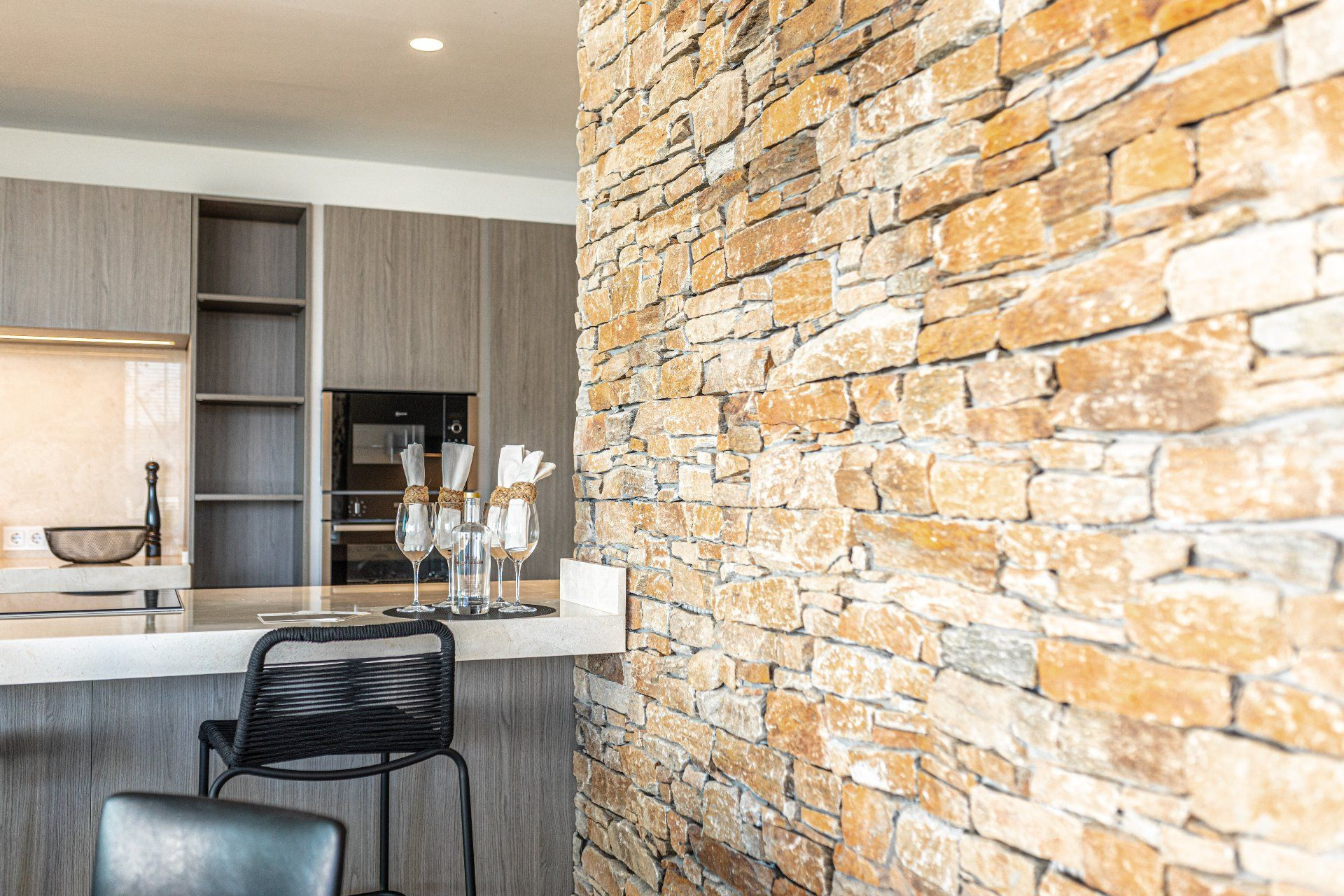
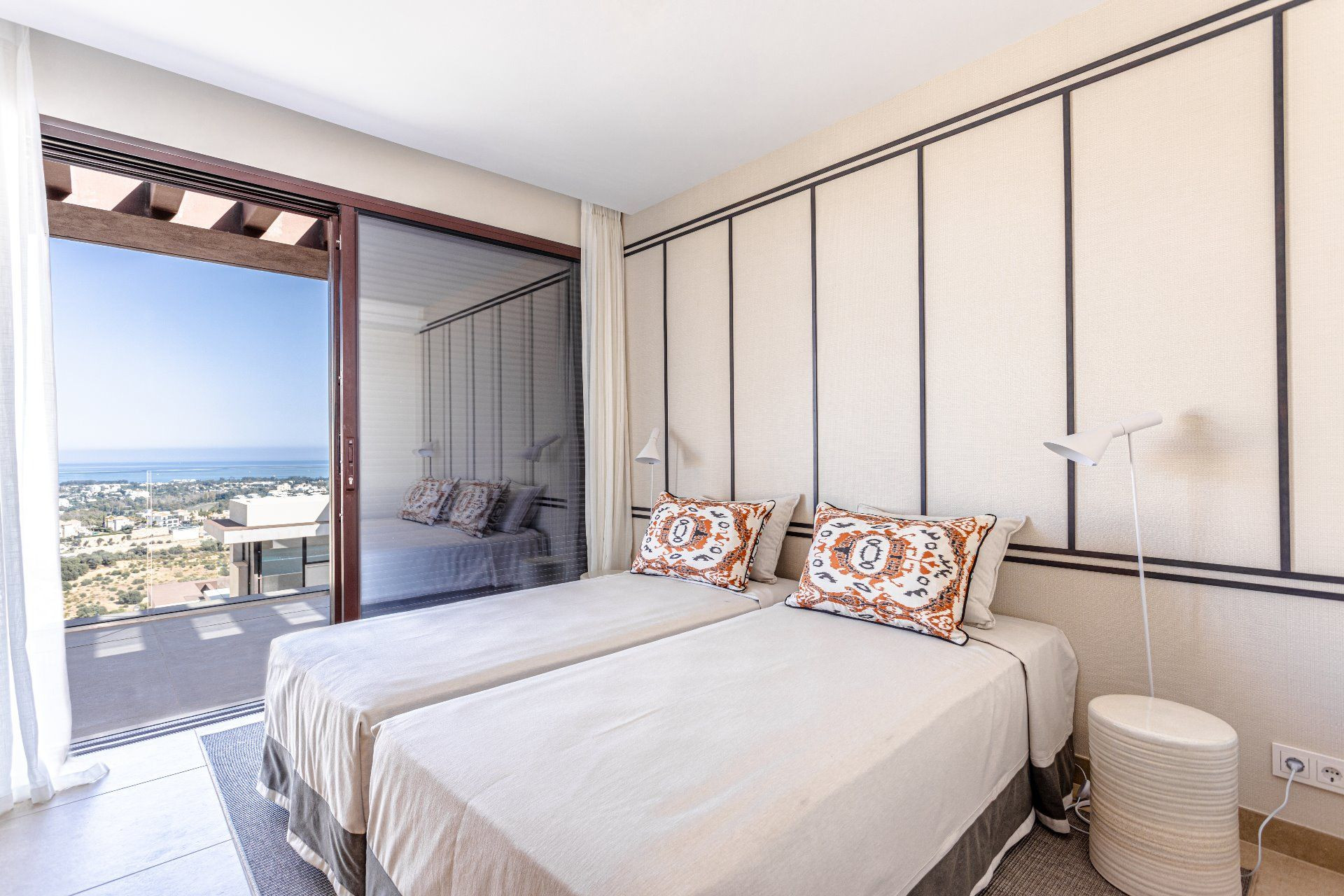
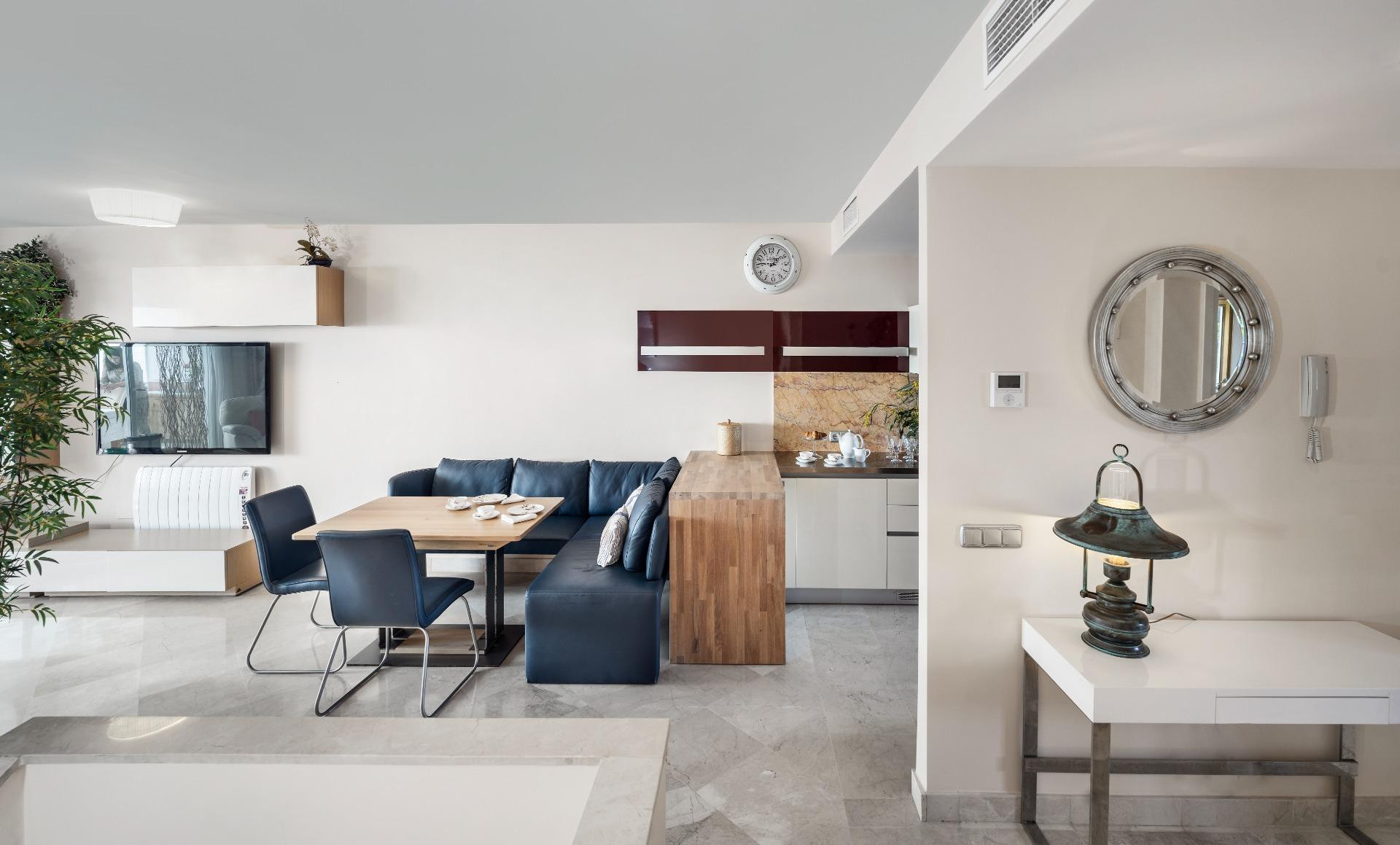
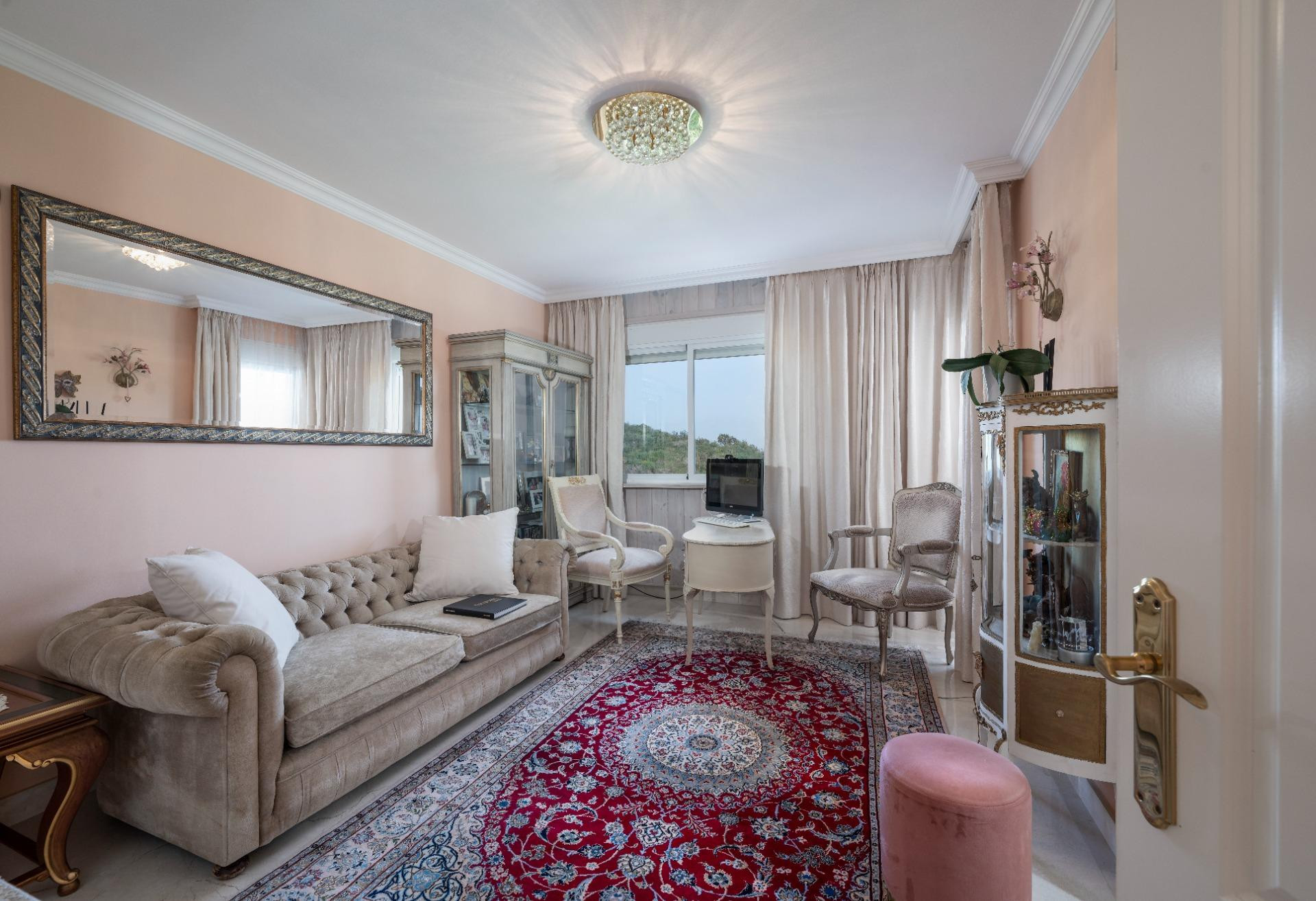
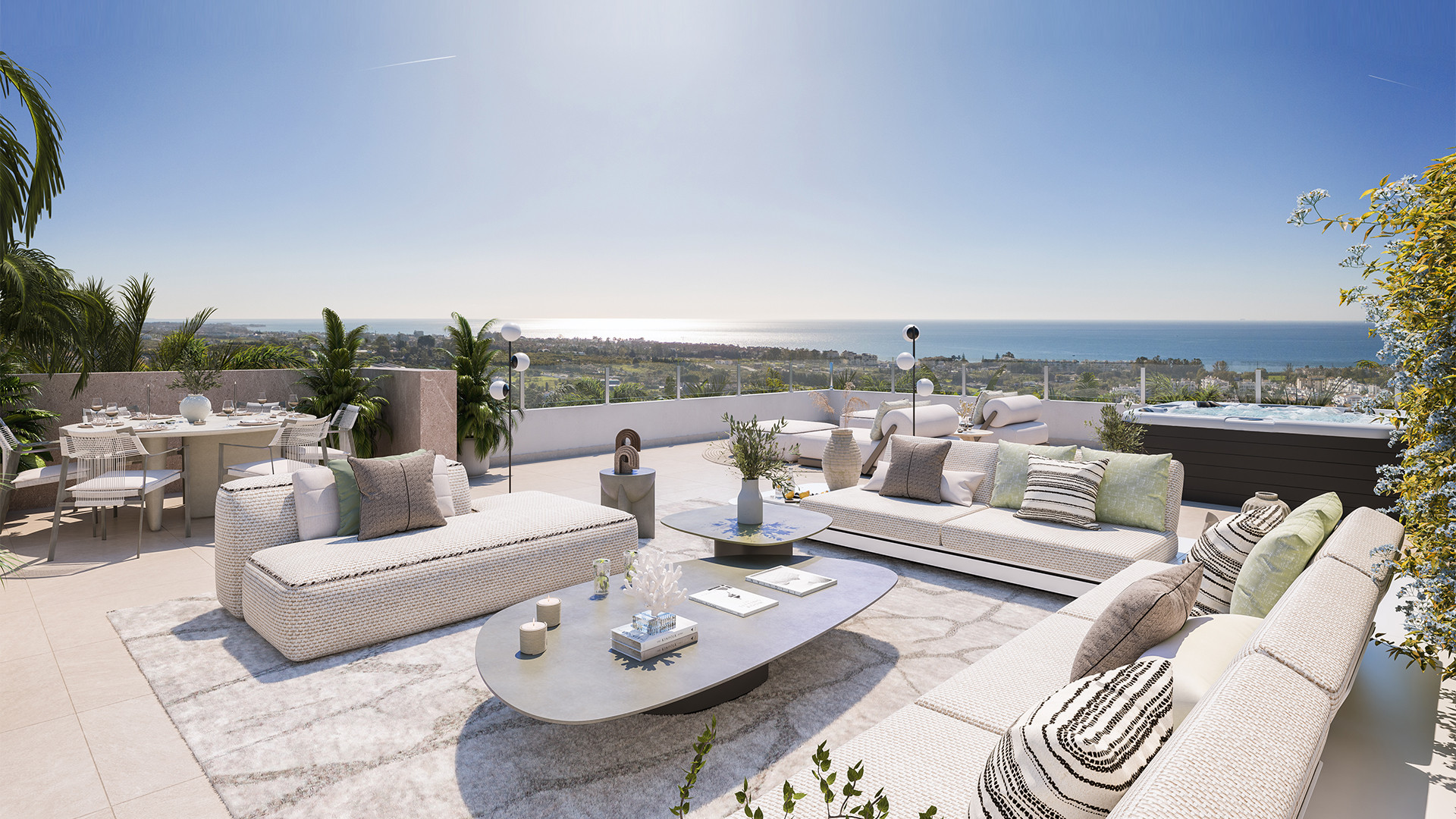
Large-area homes, million-euro prices and services typical of luxury hotels – this is the profile defining the boom in “branded residences” in Spain. This premium real estate segment is consolidating as one of the most dynamic in Southern Europe and is bringing the country to a leading position compared with other traditional destinations.
Report data and market volume
This is stated in the Branded Residences Intelligence Report Spain & Portugal – the first specialized report that provides a detailed analysis of the evolution, characteristics, prospects, and market value of this type of residential real estate across the peninsula and archipelagos. According to the study, Spain and Portugal have 66 active projects and more than 4,100 units with a total value of €5.216 billion, which will exceed €6 billion after early-stage projects are completed.
What are “branded residences”
“Branded residences” are residential or tourism projects associated with an operator brand that provides services, manages assets, and guarantees a high level of service. This model originated in Anglo-Saxon markets and found fertile ground in Southern Europe, supported by international demand for premium housing in popular resort destinations.
Spain and Portugal: different approaches
The report highlights a key difference between the two countries. While Portugal maintains a more tourism-oriented and mixed-use approach, Spain has developed a clearly residential model designed for long-term stays and for high-net-worth individuals who use these homes as a second, third, or even fourth residence.
Product characteristics and pricing profile
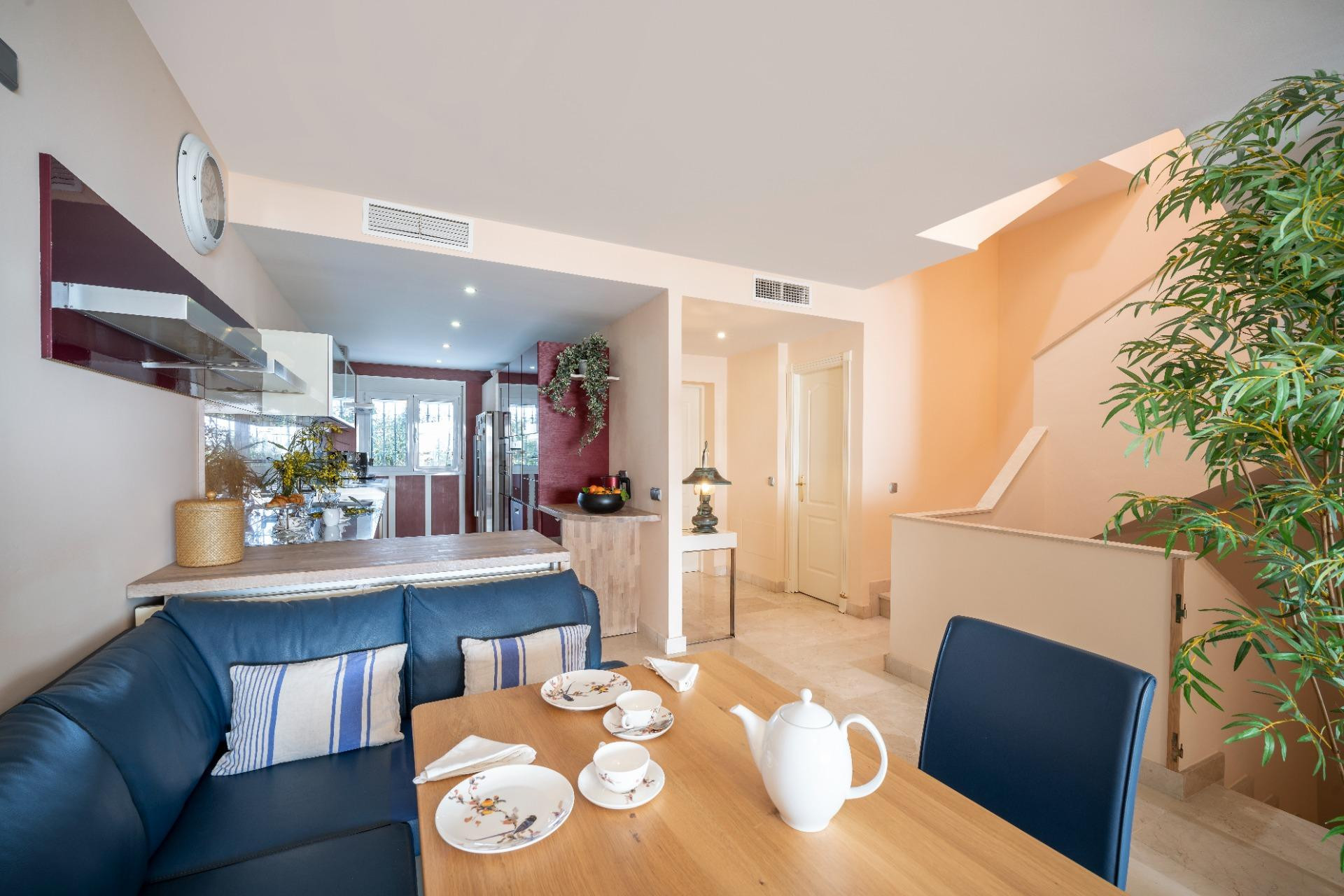
This approach is reflected in the product itself. In Spain, the dominant type is an apartment in a resort location, with an average area of 261.8 m2 and an average market value of €1.9 million. In Portugal, by contrast, smaller tourist apartments prevail, averaging 141.3 m2 and costing €1.07 million on average. Apartments have established themselves as the main property type in both markets, and the combined construction volume exceeds 700,000 sq m, indicating the maturity and consolidation of the segment.
Project scale and value gap
At the same time, the scale of Spanish projects is significantly larger. The report notes that Spain has 116% more area in projects under construction and 129% more in completed projects than Portugal. In addition, the market value of finished apartments and penthouses in Spain exceeds the market value in Portugal by more than 50%, while in the villa segment both countries show similar figures. In projects still at the development stage, the gap widens to 70%.
Operating model and demand geography
From an operational perspective, the co-located format predominates, where residences share a location and services with hotels or resorts. In Spain, it accounts for 52.6% of projects, compared with 75% in Portugal, reinforcing the link between luxury service and high-end housing.
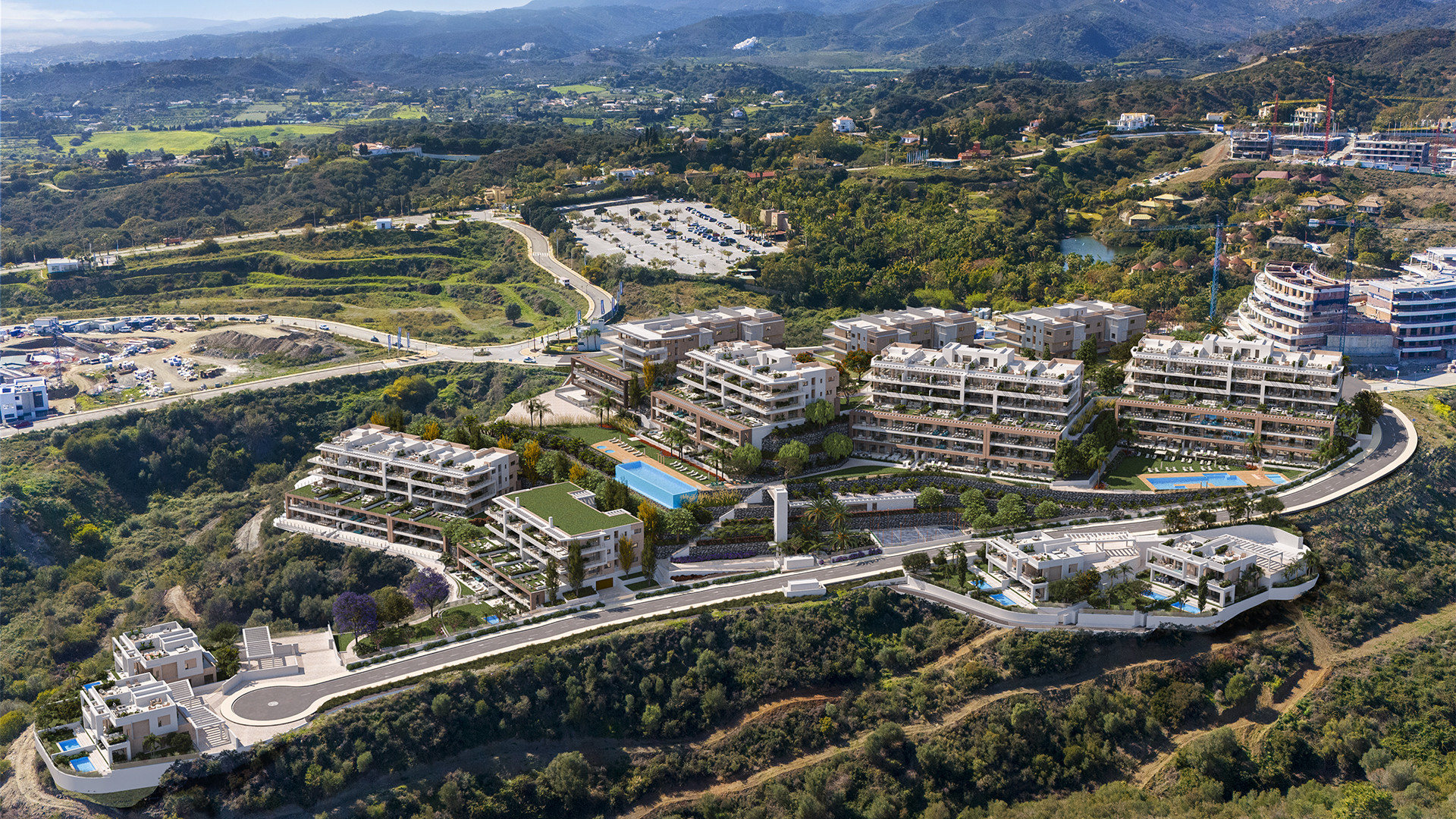
The segment’s growth also shows strong geographical concentration. In Spain, the main “branded residences” hub is the province of Málaga (61.39% of the market), while in Portugal this role is played by the Faro region (55.63%).
Warning about incorrect use of the term
Finally, the report contains a warning about the incorrect use of the term “branded residences” for projects that do not meet the model’s core requirements – such as having an operator brand, integrated services, and professional management. According to the study, this practice creates confusion in the market and makes it harder for investors and buyers to correctly assess this type of asset.