The global labour market is undergoing a major shift: remote work has stopped being an exotic perk and has become the norm. This has transformed not only corporate culture, but also how and where people choose to live. The question “where do I want/can live?” is no longer tied to “where do I work?” – online work guarantees freedom to choose your place of residence. In this new labour model, IT and digital professionals stand apart. The convenience of remote work, combined with the global growth of technology and hybrid formats, is creating a mobile young technical elite that wants – and can afford – to combine career and a comfortable lifestyle. For this audience, it is not only salary that matters, but also climate, infrastructure and social environment.
In this context, Spain is an ideal country for relocation. It is introducing digital nomad visas, strengthening its digital infrastructure and offering an excellent value-for-money ratio in terms of quality of life. In 2025, Global Citizen Solutions published its Global Digital Nomad Report, in which Spain was named the best country in the world for digital nomads. The Costa del Sol coastline, until recently associated almost exclusively with summer tourism, now deserves special attention: today it is shaping an infrastructure that fully meets the needs of this new mobile audience. This includes high-speed internet, modern coworking spaces, a vibrant business ecosystem, international schools, international business associations, startup events, and language and cultural exchange programmes.
At the same time, the Costa del Sol is not only attracting professionals who can work from anywhere in the world – it is also a magnet for affluent European retirees ready for a full-fledged, year-round life in Spain. For this audience the region offers not just a good climate and sea with beaches, but a highly developed lifestyle infrastructure: first-class golf and tennis clubs, modern medical centres, spa resorts, yacht marinas, fine-dining restaurants, shopping malls and branded boutiques – all this forms the foundation for an active and comfortable life.
By 2025, the Costa del Sol has moved even further away from the “summer-only” resort concept and is positioning itself as a full-fledged, year-round ecosystem region – for remote workers, for those who want to live away from the office, and for a premium retirement lifestyle.
Marbella for year-round living: fresh statistics
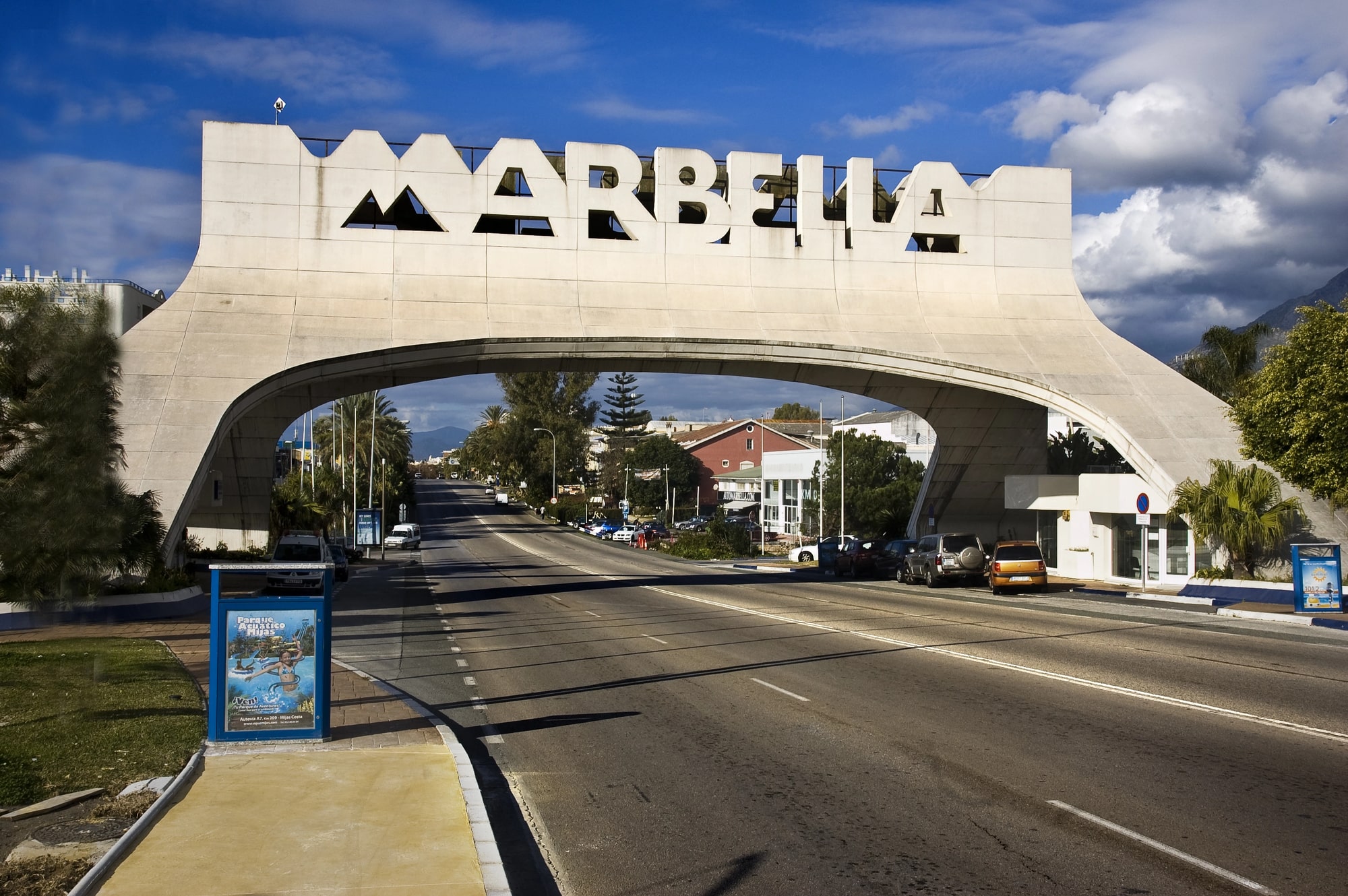
The province of Malaga – and in particular Marbella, Spain’s most famous resort – is in a phase of active transformation. The local infrastructure is being modernised and upgraded to create a comfortable environment for permanent living and long-term investment. The growth of Marbella’s permanent population over the past decade clearly reflects these positive changes: while in 2014 the municipality was home to around 138,000 residents, today that figure has reached 167,000 – an increase of more than 20%. As of September 2025, the population has already climbed to approximately 172,000 residents.
Neighbouring municipalities – Estepona, Benalmadena, Mijas – are also showing double-digit population growth in recent years.
Population growth goes hand in hand with an increase in the number of foreign residents, most of whom are families. Many of them plan to live in Marbella all year round. Education is becoming a key element of the infrastructure needed to make this permanent family lifestyle possible – and the Costa del Sol is handling this task exceptionally well. The province of Malaga now has more than 40 international schools offering various curricula (British, American, IB, etc.).
Equally important is the infrastructure that makes remote work feasible. The Costa del Sol is actively positioning itself as an attractive destination for “digital nomads” and professionals who can work from anywhere in the world. For this, you need high-speed internet as well as cafés and coworking spaces designed with professionals in mind.
The already well-oiled tourist infrastructure of the coast has received an extra boost and, seeking to keep pace with the times, has pivoted towards IT, digital business and the surrounding tech ecosystem. Málaga WorkBay, the city’s platform with tools and services for remote workers, was created specifically for those who work from anywhere in the world. The capital of the Costa del Sol has also become the first Spanish city to receive the AENOR “destination for digital nomads” certificate while simultaneously hosting Google’s European cybersecurity centre.
The Costa del Sol infrastructure
Above, we described part of the coastal infrastructure directly linked to work and education. Now let’s talk about health care and leisure. The province of Malaga is not only a popular tourist destination, but also a medical one. In terms of quality and range of services, the healthcare sector of the Costa del Sol is among the strongest in Southern Europe. In addition to an extensive network of public institutions, the region is home to high-end private clinics operating to international standards, including:
- Hospital Universitario Costa del Sol (Marbella). A public university hospital with a wide range of specialties: cardiology, oncology, neonatology, traumatology, plastic surgery and many more. Known for using robotic systems in surgery and participating in international medical research projects.
- Quirónsalud Marbella Hospital (Marbella). One of Spain’s best-known private hospitals, part of the Quirónsalud group – the country’s largest healthcare network. Key specialties include cardiac surgery, reproductive medicine, orthopaedics, ophthalmology, dermatology and cosmetic surgery. The clinic is certified to European quality standards and focuses heavily on international patients.
- Vithas Xanit International Hospital (Benalmadena). A premium-level private hospital whose key specialties include oncology, neurology, vascular surgery, cardiology, plastic surgery and rehabilitation. Vithas Xanit is also renowned for its Check-Up Center, which offers comprehensive preventive diagnostics and wellness programmes.
For families with children, professionals and retirees alike, access to such clinics is a crucial factor when choosing where to live. But other amenities are just as important: European-standard shopping and entertainment centres and international brand boutiques. The main shopping hubs on the Costa del Sol include:
- La Cañada Shopping (Marbella) – the largest shopping mall in the region, home to brands across all price segments.
- Miramar Fuengirola – a shopping and leisure centre with cinemas, relaxation areas and children’s play zones.
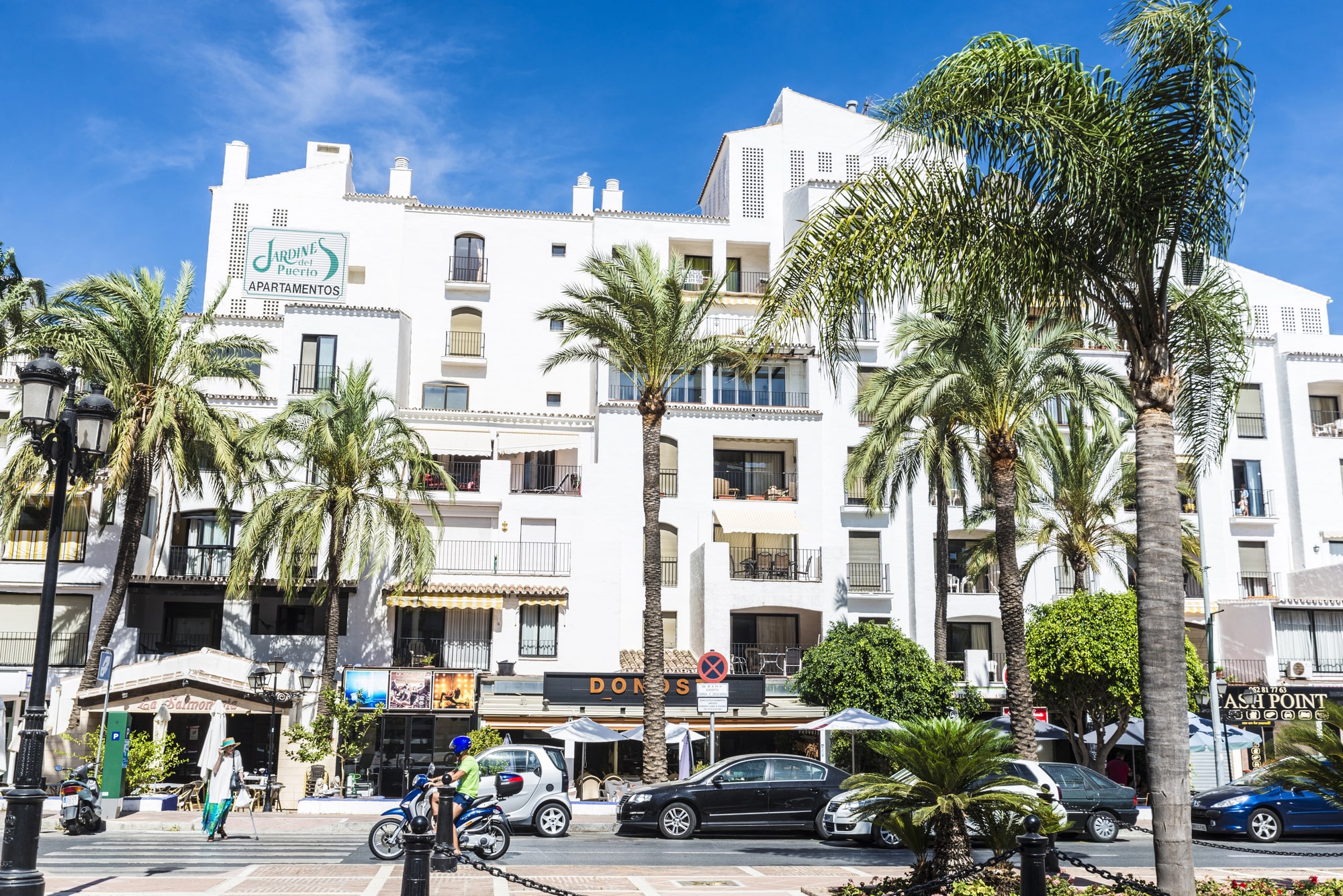
- Puerto Banus – not only a yacht marina, but also a synonym for a luxurious lifestyle: along the waterfront you’ll find boutiques such as Louis Vuitton, Gucci, Dior, Hermès, Rolex and many others, as well as restaurants and cafés with panoramic views over the port and the sea.
The local food scene also has its stars. The restaurant sector has long outgrown the framework of purely seasonal seaside dining that comes to life in summer and “hibernates” in winter. Today, the leading restaurants of the Costa del Sol operate year-round and strive to emphasise their individuality, moving away from standard Mediterranean menus towards author’s cuisine. Among the best restaurants on the coast are:
- Skina (Marbella) – a contemporary Andalusian fine-dining restaurant, awarded two Michelin stars;
- Messina (Marbella) – offers a fusion of Mediterranean and Latin American cuisine and holds one Michelin star;
- Back (Marbella) – a high-end restaurant with a focus on seasonal produce and modern interpretations of traditional Andalusian recipes.
- El Lago (Marbella) – one of the first Michelin-starred restaurants in the region, with a strong emphasis on local, seasonal ingredients.
Who is buying property on the Costa del Sol in 2025?
By 2025, the Costa del Sol property market has gone far beyond the classic “second holiday home” model. Seasonality has faded into the background, giving way to a steady trend towards permanent residence. This is driven not only by the climate and developed infrastructure, but also by a broader global shift in lifestyle. For families, the Costa del Sol offers something that northern Europe simply cannot compete with: a mild climate, international schools, medical centres and a high level of safety.
According to Marbella City Hall, the number of families enrolling their children in local public and private international schools is increasing every year, and demand for houses with private gardens and apartments with 3–4 bedrooms has already exceeded pre-COVID levels. The popularity of such spacious, family-oriented homes clearly shows that buyers are choosing Marbella as a place for permanent residence.
At the same time, demand is growing from IT professionals and freelancers for whom flexible work formats have become standard. They are looking for modern apartments with dedicated workspaces, new energy-efficient homes with smart systems and premium residential complexes with co-living style services. According to the latest data, this group most often chooses Marbella, Estepona and Mijas for living.
Next come retirees and affluent Europeans – buyers of an older age group, mainly from Scandinavia, the UK, Belgium, the Netherlands and Germany. Their motivation is not only the mild climate and affordable Spanish prices, but also the developed multi-purpose infrastructure tailored to international clients: world-class clinics, golf courses, tennis clubs, wellness centres, restaurants and a calm, open, familiar social environment. For them, the Costa del Sol is no longer a place to “winter” – it is a new home that guarantees a high quality of life all year round.

Taken together, these three groups are forming a new socio-economic profile for the region and boosting its investment appeal. Today, the Costa del Sol is a territory with a multi-layered audience and stable demand – a combination that supports continuous growth in property prices. Another important factor is the compact concentration of areas with different purposes and positioning. Some of the most notable examples:
- Marbella and the Golden Mile: this is more than a location – it is a status symbol and showcase of wealth. On a relatively small stretch of coastline you will find luxurious private villas, premium residential complexes and branded residences. Property prices here are consistently in the range of €8,000–20,000 per square metre and rise significantly higher in the Puente Romano area.
- Puerto Banus: the famous marina remains one of Marbella’s calling cards. Despite its reputation as a playground for luxury holidays, in recent years it has also been attracting a new audience – professionals and entrepreneurs choosing apartments in resort-style residential complexes with amenities designed for year-round living.
- San Pedro de Alcantara: the natural extension of Marbella, offering more everyday comfort and less ostentatious glamour. San Pedro has everything needed for convenient day-to-day life: schools, parks, shops, sports facilities and family-friendly restaurants. The town’s seafront promenade with bike lanes and beaches is a favourite spot for sports and relaxation among locals. Thanks to this balanced character, the area is quickly evolving as a family-oriented destination, while property prices remain attractive – on average 30–40% lower than on Marbella’s Golden Mile.
- Estepona: over the past decade, the town has transformed from a quiet peripheral settlement into one of the most promising centres on the coast. New residential complexes are being actively built here, many of them in the premium segment, and the Swedish International School has opened its doors. The infrastructure is expanding, but at a measured pace: the town retains the relaxed rhythm and authentic atmosphere of an Andalusian seaside community. Thanks to its balance of price, quality and growth potential, Estepona has become a focal point for investors seeking long-term returns with relatively low risk.
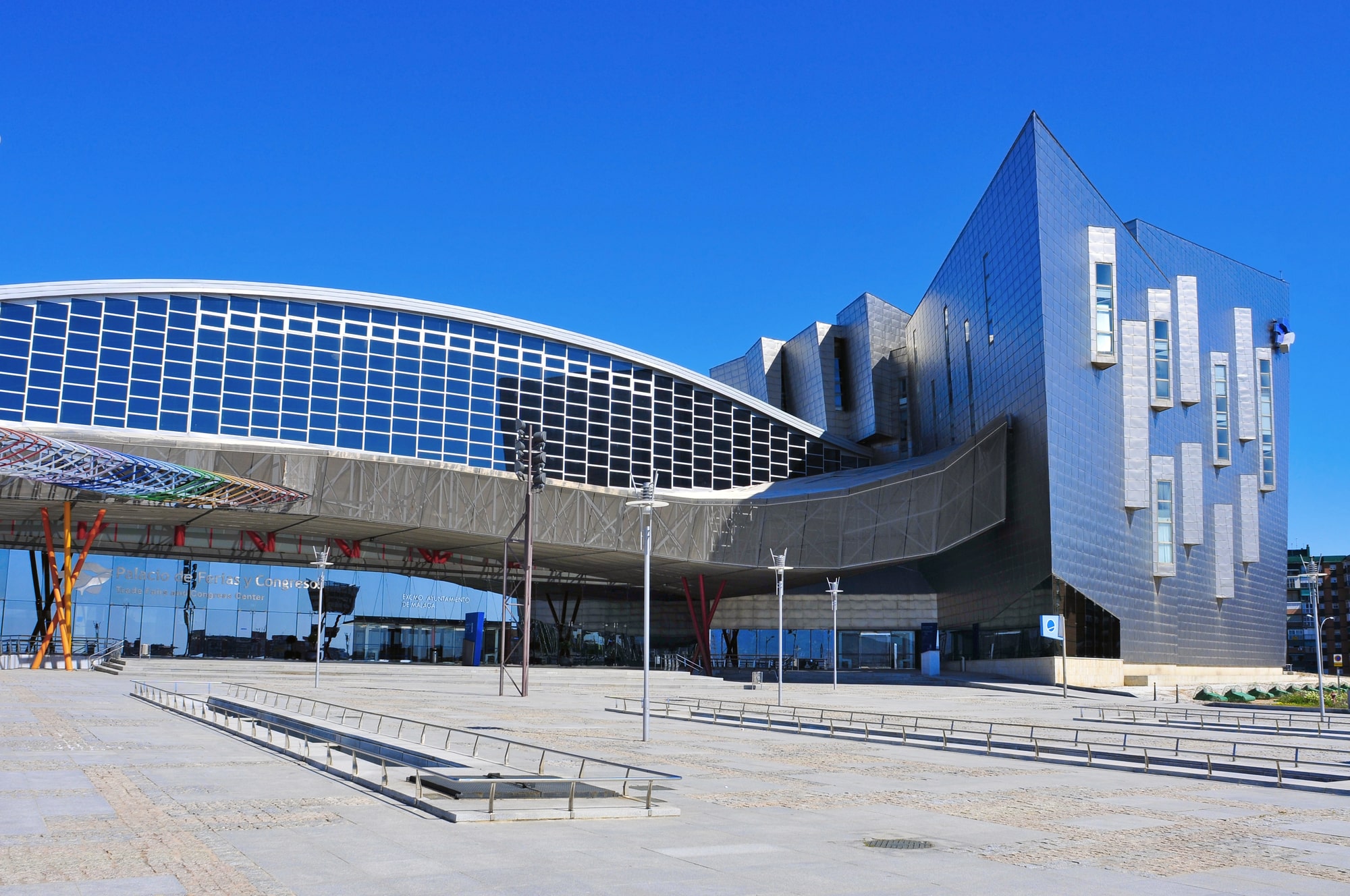
Investment appeal of the Costa del Sol
From an investment perspective, the Costa del Sol property market in 2025 is showing steady growth. Analysts estimate the average gross rental yield for mid-range and business-class apartments in Marbella at 4.75–5.3%. This is significantly higher than in Madrid or Barcelona, where high purchase prices compress yields to around 3.5–4%. At the same time, Marbella’s premium segment – especially new developments with full-service concepts, as well as villas and penthouses on the first line of the sea – can deliver yields in the 7–9% range.
Price dynamics also confirm the market’s resilience. In November 2025, the average price per square metre of residential property in the province of Malaga reached €4,023, with annual growth exceeding 17%. The leaders among municipalities were Benahavis (€5,432/m² and annual growth of 16.2%) and Marbella (€5,430/m² and 9.1% growth, respectively). San Pedro de Alcantara offers an average of €4,523/m² with modest annual growth of 2.5%. Estepona stands out with the lowest average price – €4,091/m² – yet shows strong positive dynamics at +13.3% year-on-year. In the premium segment, prices consistently exceed €14,000/m², and in new projects on the Golden Mile and in Puerto Banus they reach €20,000–22,000/m².
Market experts note that the Costa del Sol’s key competitive advantage is balance. Unlike classic investment destinations where high yields go hand in hand with volatility risks, Marbella remains a premium market with strong long-term growth potential. Here, the “dual-income” model works very well: a property generates rental income while also appreciating in value – and remains a highly liquid asset.
Branded residences on the Costa del Sol
Branded residences are the new chapter in the Costa del Sol story. Fashion houses such as Fendi, Karl Lagerfeld, Dolce & Gabbana and Missoni are putting their logos on the façades of new residential complexes where recognisable, meticulously curated design is complemented by 5-star-hotel-level service. The price premium for such properties is around +29% compared with non-branded premium residences. The exclusivity and rarity of these homes create additional demand and act as a guarantee of liquidity.
Branded residences fit seamlessly into the Costa del Sol ecosystem, becoming another piece of a larger puzzle: together with renowned golf clubs, Puerto Banus, famous restaurants and prestigious international schools, they form the picture of a status destination where the most demanding clients find answers to their requests. Many market professionals forecast further growth in both prices and transaction volumes in Marbella’s top price segment. Demand for branded residences from investors and brand enthusiasts is expected to exceed supply.
Take a look at our Costa del Sol property catalogue and choose your dream home in one of the most attractive and dynamically developing regions of Spain.