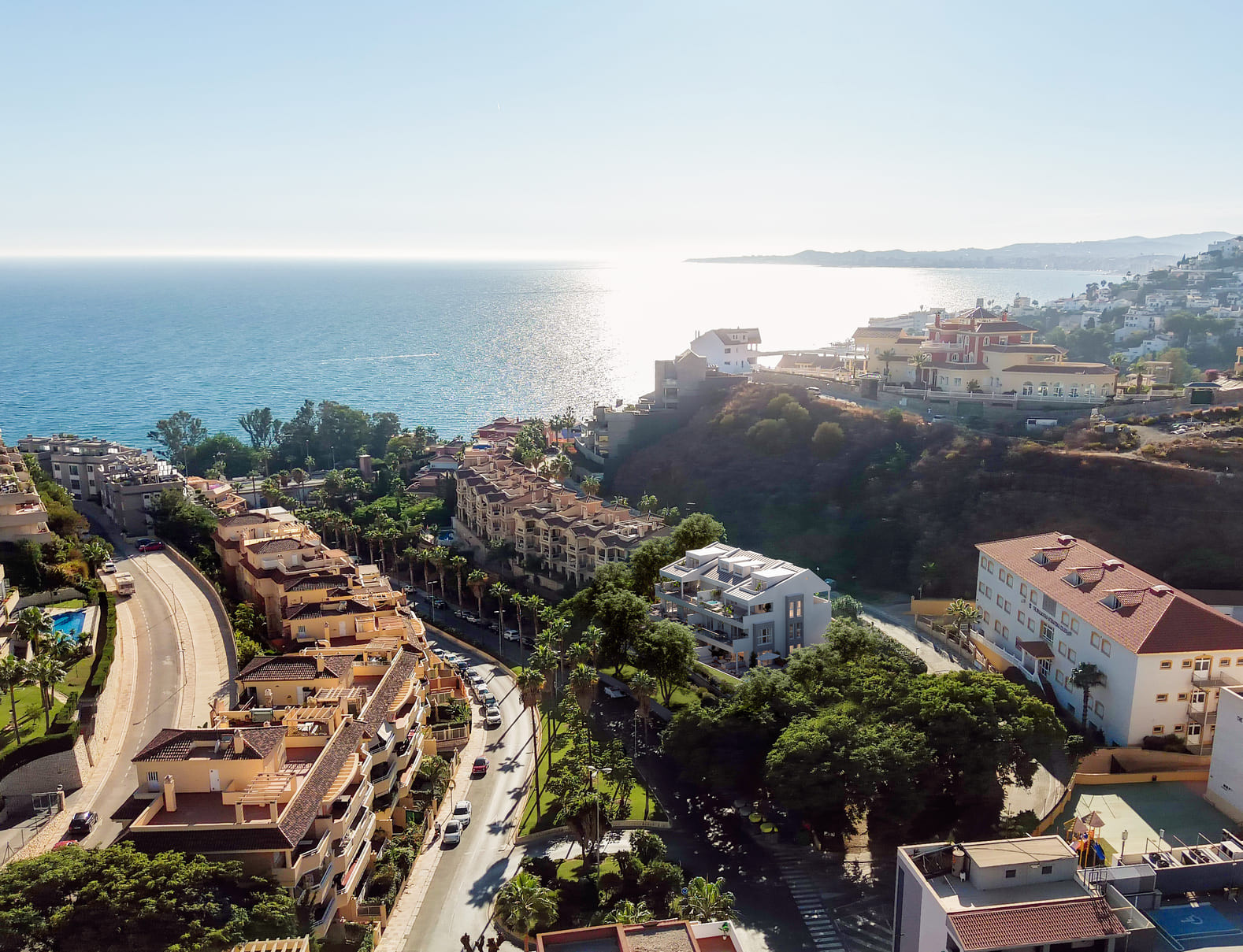
While the British still lead among foreigners looking for affordable second homes on the Costa Blanca coast, Poles have become the main driving force behind the luxury real estate market in this region, overtaking Belgians, Dutch buyers, and citizens of Northern European countries. According to a report prepared by appraisal company Tecnitasa, this segment of the market in Alicante province continues to grow, making it one of the most promising destinations in all of Spain.
Costa Blanca Maintains Its Price Advantage
Over the past year, the average price of housing for sale in Alicante province increased by 13.27%, slightly exceeding the national average of 10.87%. Nevertheless, Costa Blanca remains the most affordable destination among areas attracting wealthy buyers. In particular, one square meter of this type of housing costs 5,984 euros here, significantly less than the 10,328 euros paid on average in the Balearic Islands, 8,175 euros in Málaga, or 8,508 euros on the Costa Brava coast in Girona.
In terms of total price, luxury residential property on the Costa Blanca costs around 4.5 million euros, which also makes it one of the most affordable options on the market.
- Málaga – 5.7 million euros
- Balearic Islands – 5.6 million euros
- Barcelona – 5.3 million euros
- Madrid – 5 million euros
- Girona – 4.8 million euros
These lower prices are precisely what allow Alicante to show growth potential that exceeds the performance of Spain’s luxury housing market as a whole, combined with a higher share of foreign buyers than in other regions – above all thanks to the large number of flights served by the local airport.
Who Is Shaping Demand for Luxury Real Estate on the Costa Blanca
Unlike other coastal areas of Spain, where Germans, British, or French buyers dominate, the main driving force of the luxury real estate market on the Costa Blanca is Polish citizens, who value formality, precision, and support throughout the entire process when purchasing property.
Second place is held by Dutch and Belgian buyers, who in some municipalities actually make up the majority. They are followed by the British and the French, and then by citizens of Northern European countries, whose activity is held back by the exchange rate due to the strong euro against their local currencies.
North and South Costa Blanca: Two Different Market Models
In addition, in the case of Alicante province, the market shows a more diversified distribution than in other regions, with two clearly distinct parts. On the one hand, there is the northern part of the Costa Blanca (Altea, Javea, Moraira, Benissa), where housing prices depend on factors such as sea views, orientation, and the quality of the surrounding environment; on the other hand, there is the southern part (Guardamar, Orihuela Costa, Torrevieja), with more affordable prices, a higher share of domestic buyers, and sales more closely linked to leisure, sports, and long-term living.
Within the province, the markets with the highest transaction volumes in the premium segment rank at the top, although there are significant differences between them.
- Altea – 5.2 million euros
- Javea – 4.9 million euros
- Moraira – 4.5 million euros
- Denia – 3.5 million euros
The most expensive property assessed by the company last year was located in Moraira and was worth 6.7 million euros.
New Builds and the “Quiet Luxury” Trend
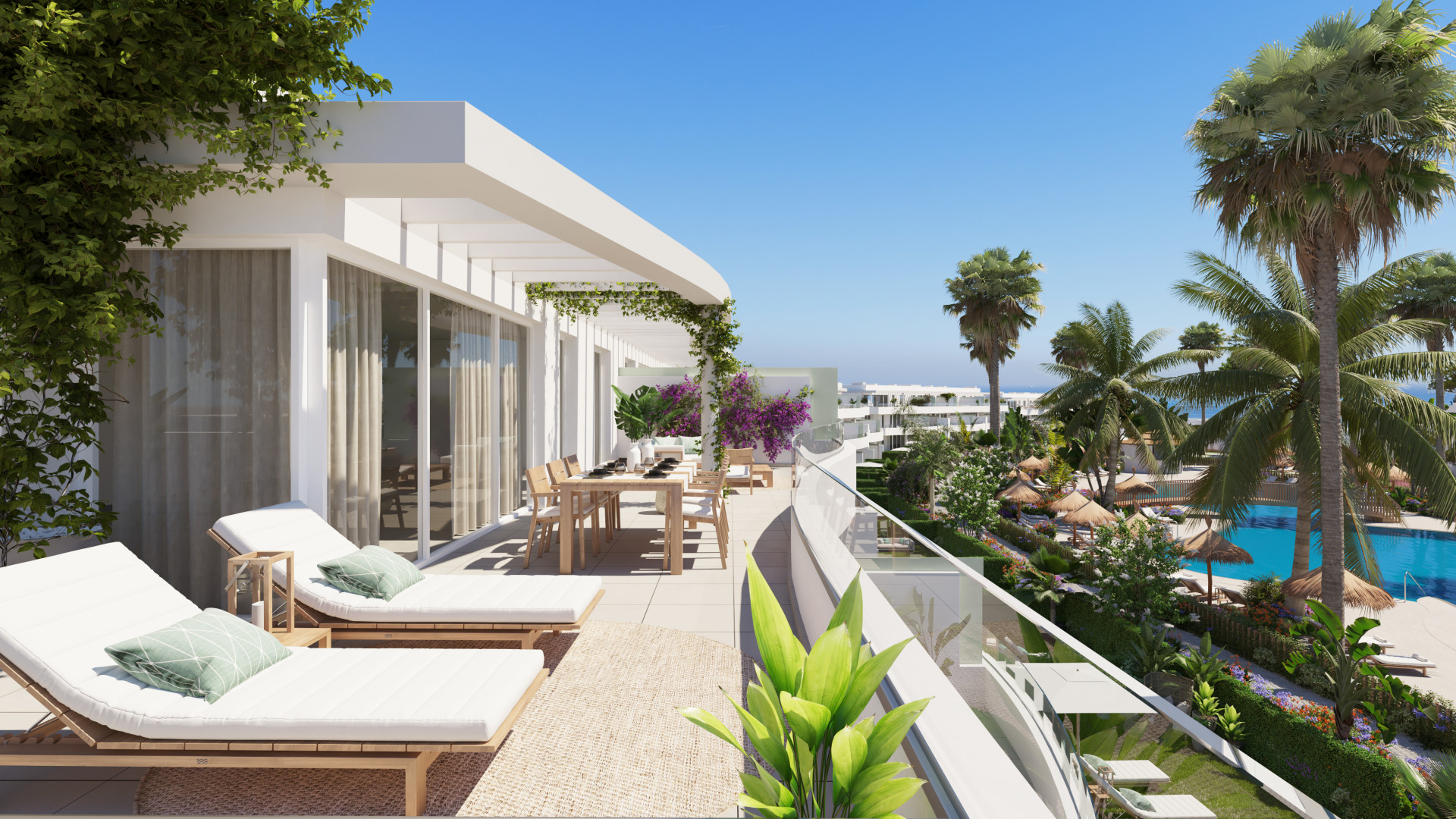
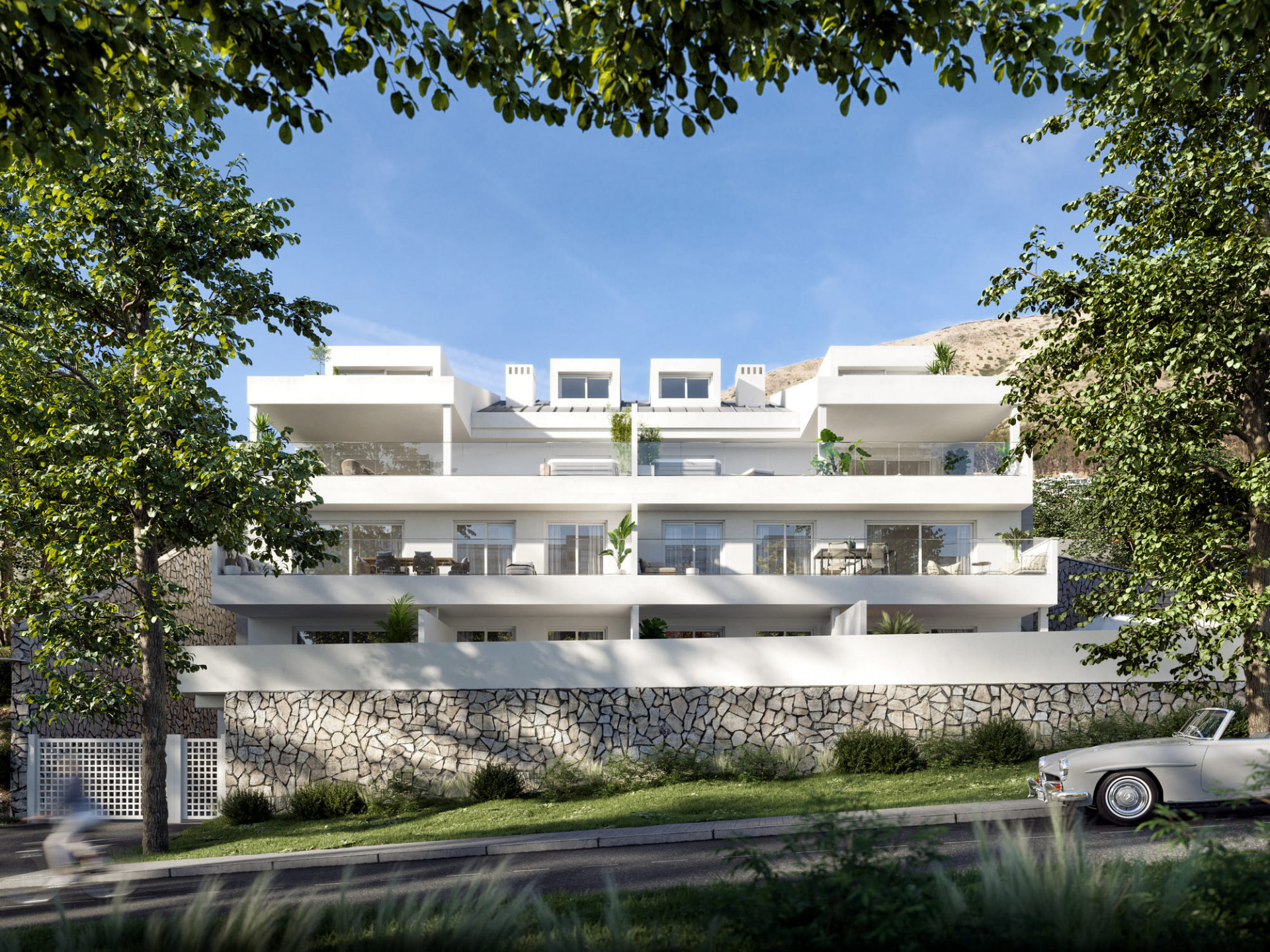
Another significant difference lies in the higher share of the market accounted for by new builds – 7.87% of the total volume, compared with 3.71% on average across Spain. These new luxury homes are already being built with all the requirements currently demanded by the market in mind.
As for trends, Tecnitasa notes that Spain’s luxury housing market is moving toward a model of “quiet luxury,” in which value is determined by the real use of the property, well-being, and consistency between the product and lifestyle.
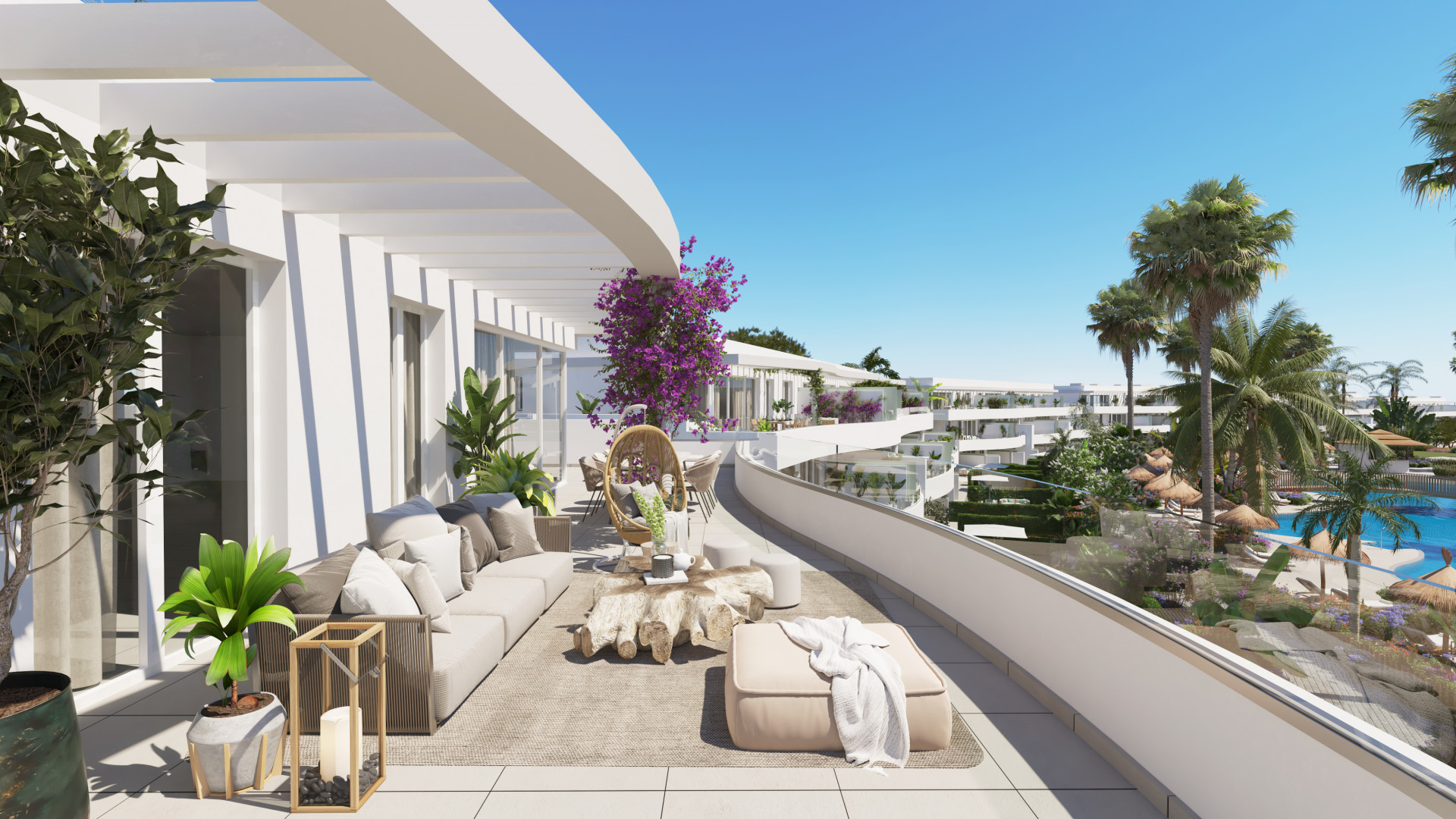
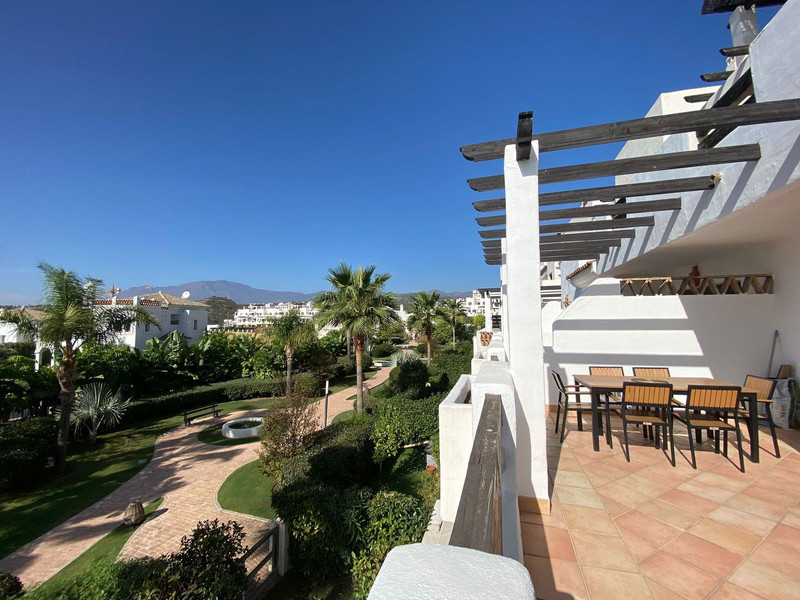
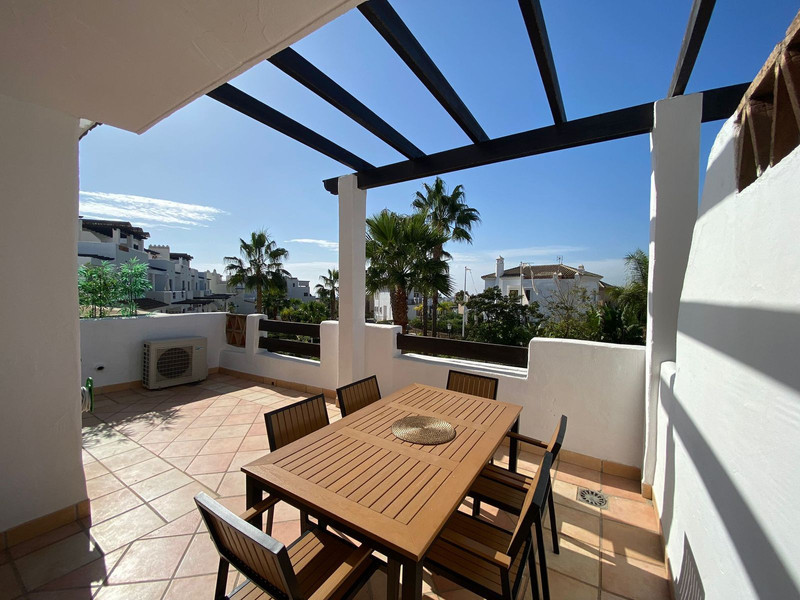
In Alicante, this concept is expressed through luxury closely tied to the environment, orientation, and the living experience, where factors such as sea views, sun exposure, and the opportunity to enjoy nature all year round are decisive in a property’s valuation.
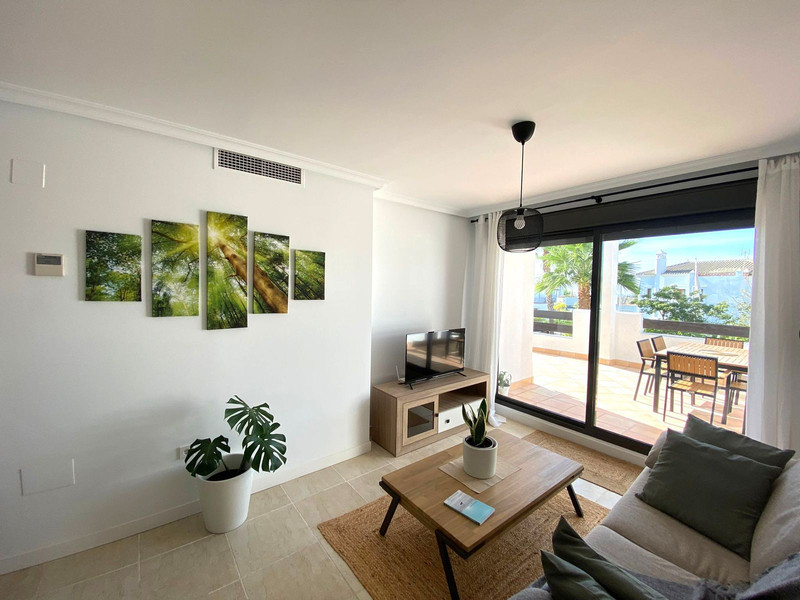
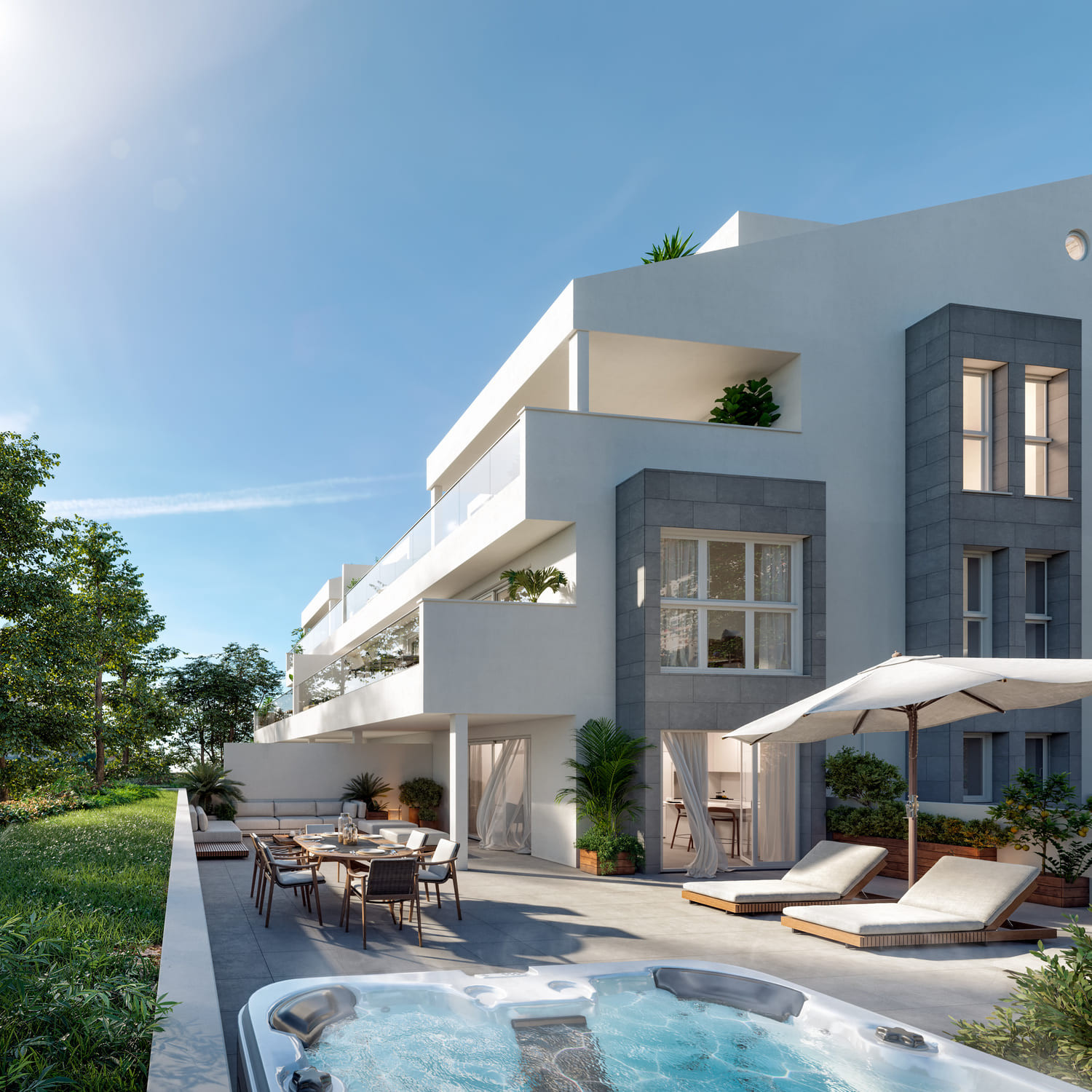
Luxury is also expressed in living spaces that make everyday life easier, with open-plan areas, a connection between indoor and outdoor environments, and a significant number of shared zones and services. The concept of well-being is embodied in features whose importance continues to grow – namely amenities oriented toward a particular lifestyle, such as a spa, coworking space, gym, or cinema, which make it possible to enjoy much more than just going to the beach.