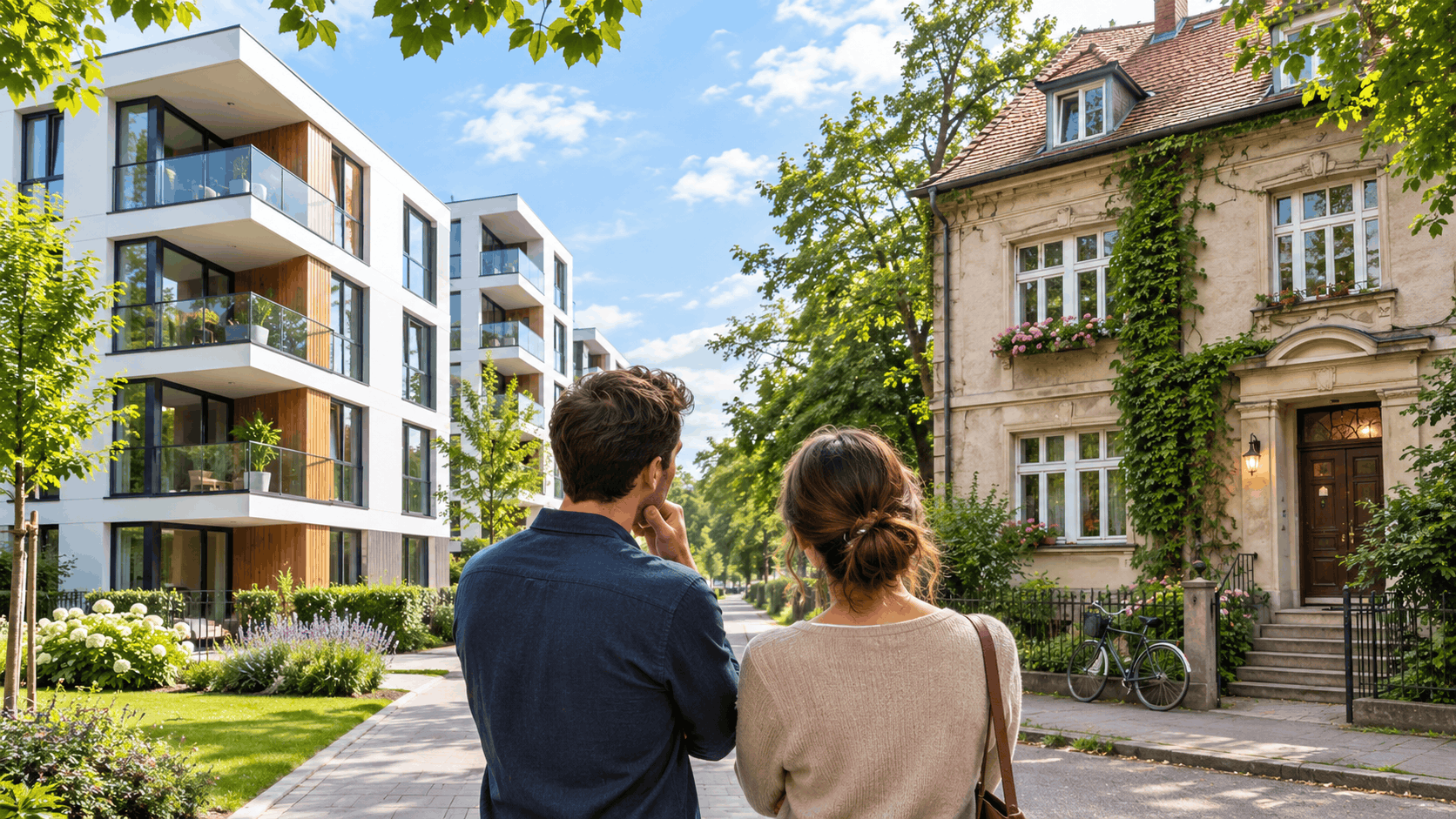
At some point, almost everyone looking to buy property in Spain faces a question that sounds simple at first: should you buy a new home or one with a bit of history?
On one side, there’s a gleaming white development with a pool, still little more than a set of computer-generated images and a construction site. On the other, there’s an apartment in a 1990s building. The upstairs neighbour may be cooking fish again, but the sea is a seven-minute walk away, and the bar on the corner already knows your name.
There’s no universal answer. The better deal depends on the region, your budget, your reason for buying and how patient you are. Let’s look at taxes, risks, timelines and the practicalities. Keep in mind that property tax rates in Spain are set by the autonomous communities and can change, so check the current rules with a trusted lawyer before completing a purchase.
Start with the costs: what each option really involves
Taxes: VAT versus ITP
The difference starts before you even choose a property: it begins with the taxes. When you buy from a developer, you pay VAT—known in Spain as IVA—at 10% of the property price. You also pay AJD, the tax on documented legal acts. The rate depends on the region: 0.75% in Madrid, 1.2% in Andalusia and 1.5% in the Valencian Community and Catalonia. The Canary Islands have their own tax, IGIC, instead of VAT, and its rate is lower.
When you buy from a private seller, you don’t pay VAT. Instead, you pay ITP, the property transfer tax. Rates also vary by region: around 6% in Madrid, 7% in Andalusia, 8% in Murcia and 10% in the Valencian Community and Catalonia. Reduced rates may be available for young buyers and large families, but they are generally aimed at residents. They don’t apply automatically, so check whether you qualify before the purchase.
To make the comparison more concrete, here’s an estimate of the tax costs on a property priced at €250,000:
| Region | New build (VAT + AJD) | Resale (ITP) |
|---|---|---|
| Madrid | around €26,900 | €15,000 |
| Andalusia | around €28,000 | €17,500 |
| Valencian Community | around €28,750 | €25,000 |
| Catalonia | around €28,750 | €25,000 |
This is a simplified estimate. It excludes tax relief and the specific circumstances of an individual transaction.
As you can see, resale homes have a clear tax advantage in Madrid and Andalusia, while the gap narrows to a few thousand euros in the Valencian Community. But tax is only part of the picture. The price per square metre of a new build is often higher than that of a nearby resale home, and the difference can be greater than the tax gap.
Costs that rarely appear in property listings
On top of the property price, budget for the notary and Land Registry fees—usually 1% to 1.5% combined—legal fees of around 1%, and the services of a gestoría, an administrative agent who handles paperwork and pays certain taxes on your behalf. That can add several hundred euros. If you’re taking out a mortgage, include the valuation, fees and insurance in your budget too.
Each option has its own less obvious costs. With a new build, these may include utility connections and, in some developments, a kitchen and appliances that aren’t included in the standard specification. Read the list of what’s included carefully: the word “premium” in a glossy brochure doesn’t guarantee anything. With a resale home, surprises may include the previous owner’s unpaid community fees, the annual property tax known as IBI, or a contribution towards façade repairs that the owners’ association approved three months ago while you were choosing curtains.
Then there’s plusvalía municipal, a local tax on the increase in the value of urban land. It is generally paid by the seller, so make sure the contract clearly states who is responsible. One more detail: if the seller is a non-resident, the buyer must withhold 3% of the purchase price and pay it to the tax authority on the seller’s behalf. It’s easy to overlook, but the consequences can be unpleasant.
As a rule of thumb, allow an extra 10% to 14% on top of the property price. A resale home in Madrid will usually be near the lower end of that range, while a new build on the Valencian coast may be closer to the higher end.
New builds: what lies behind the glossy brochure
What buyers like about them
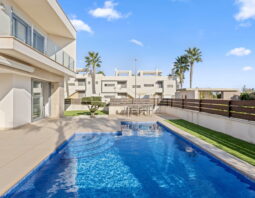
The first appeal is the feeling of starting fresh. Nobody has lived there before, drilled holes in the walls or hidden pipes behind a wardrobe. Layouts are modern, windows are large, the lift is new, parking is often underground and there may be a pool in the courtyard. Some developments also have a coworking area and a gym. You don’t have to use every facility; it’s simply nice to have the option.
Energy efficiency is another advantage. New homes are built to current standards and often have an A or B energy rating, which can mean lower bills for air conditioning in summer and heating in winter than in a building that’s thirty years old. In a country where air conditioning is hard to do without in summer, that can make a real difference.
There are legal protections too. New homes are covered by statutory warranties: one year for defects in finishes, three years for defects affecting habitability and ten years for structural defects. The developer must secure the advance payments you make before completion with a bank guarantee or insurance policy and deposit them into a dedicated account. If something goes wrong, you have legal protection for your payments.
Payment by instalments can also help. You don’t have to pay the full price on the day you sign; instead, payments are made in stages as construction progresses. That can make the purchase easier to manage. You may also be able to choose the floor, the view and sometimes the finishes while there’s still time. If there’s a corner apartment with a sea view in the development, an early reservation may be your best chance to secure it.
Where the complications begin
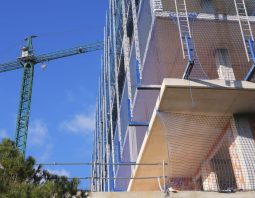
The main drawback is simple: you’re buying something that doesn’t exist yet. The renderings may look like holiday postcards, but the finished surroundings can be less idyllic. The promised sea view might turn out to overlook a neighbouring crane, and the planned park may still be an empty plot. Trees in a “green area” can take years to mature, leaving you surrounded by bare ground in the meantime.
Then there are the timelines. A six-month delay is not unusual in Spain, and projects can sometimes run a year behind schedule. There are many possible causes: permits, supply issues, contractors or bad weather. If you need to move by a certain date or your rental contract is about to end, leave yourself some flexibility. Your contract should specify compensation or your right to withdraw if the delay becomes substantial.
The price per square metre is usually higher, as mentioned above. You’re paying for a new home and for the fact that there may be no comparable property for sale nearby. You can negotiate, but usually less than with a resale home: developers may be more willing to include a parking space or furniture than to reduce the price.
Your money is also tied up while you wait. You make payments, but you can’t live in the property yet. If you’re renting elsewhere at the same time, your housing costs effectively double—and by the third year of waiting, you’ll certainly feel it.
How to avoid a problematic developer
The good news is that most checks can be completed within a few days and don’t cost much. Before paying a reservation fee, ask your lawyer to check the following:
- Does the project have a building permit, and who owns the plot? The ownership details can be checked in the Land Registry extract.
- Has a dedicated account been opened for your payments, and is there a bank guarantee or insurance policy in place?
- Which projects has the developer completed, and were they delivered on time? Visit one and talk to the residents; that’s often the most useful reference you can get.
- Are the specifications, materials and deadlines included in an annex to the contract, rather than mentioned only in the brochure?
Looking for a new home in Spain? Browse current listings and compare developments by location, budget and completion date.
Resale homes: everything already in place
What makes them appealing
The main advantage of a resale home is that you can see exactly what you’re buying. Walk into the apartment and you can tell where the morning light falls, whether you can hear the neighbours, how far the nearest shop is and what the building is like in the evening. A brochure can’t tell you that.
Location matters too. The best spots in Spanish towns and cities have long been built up: seafront promenades, old quarters and streets where everything from the market to the pharmacy is close by. New developments are more likely to spring up on the outskirts, where land is available. If you want to step outside into an established neighbourhood rather than a construction site, resale homes are hard to beat.
You also get mature trees, an established community and infrastructure that’s already up and running. And then there are the layouts. Many buildings from the 1980s and 1990s were designed before developers tried to fit as many apartments as possible onto every plot. As a result, they can have spacious terraces and rooms that would be hard to find in a new development today.
There’s usually more room to negotiate. A 5% to 10% reduction from the asking price is not unusual, and the discount may be larger if the seller is in a hurry. The purchase is also quicker, usually taking two to three months, and you get the keys straight away. Sometimes the furniture and appliances stay too—along with the frying pan the previous owner couldn’t be bothered to take.
Where the pitfalls are hiding
Let’s start with renovation. An apartment can look perfectly presentable, only for the wiring behind the wallpaper to turn out to be decades old. A full renovation can cost an estimated €500 to €1,000 per square metre, depending on the finish, and the budget almost always grows as the work progresses. It’s not necessarily anyone’s fault: old buildings have a way of revealing surprises.
Then there’s the legal side. The property may be mortgaged or have unpaid community fees or taxes. These details can be checked in the documents. One of the first to request is the nota simple, a Land Registry extract listing the owner, registered charges and the property’s area. It costs around ten euros and can save you a great deal of money and stress.
Unauthorised alterations are another concern: a terrace enclosed with glass, an extra floor or a swimming pool that doesn’t appear in the paperwork. The seller may sincerely believe “it’s always been like that”, but the local authority may see it differently. In coastal areas, the Coastal Law (Ley de Costas) can also restrict property rights near the shoreline. Treat any area that doesn’t appear in the relevant records as a reason to investigate further.
And don’t forget the building itself. Buildings above a certain age may be required to undergo a technical inspection (ITE). The findings can lead to a substantial shared bill for repairs to the façade, roof or lift. These special assessments are known as derramas. Ask the community administrator whether any work is planned. Otherwise, you could buy an apartment and receive a bill for several thousand euros a few months later.
The purchase process: two different routes
Non-residents need an NIE, Spain’s foreigner identification number, whichever type of property they buy. In practice, you’ll also need a Spanish bank account. The notary cannot complete the purchase without the required identification details. After that, the process differs depending on whether you’re buying a new build or a resale home.
New build
- Reservation. You pay a relatively small amount, often between €3,000 and €10,000, to reserve the property.
- Purchase contract. The contract sets out the specifications, deadlines and payment schedule. It’s the key document in the process, so have a lawyer review it with you.
- Stage payments. Buyers usually pay 20% to 40% of the price before completion. The exact schedule depends on the development.
- Inspection. Before signing at the notary, inspect the apartment and record any unfinished work or defects. Don’t rush this step.
- Notary and final payment. You sign the escritura, pay the remaining balance and receive the keys.
Resale
The process is shorter. You find a property and make an offer. Once you agree on the price, you sign a deposit contract known as arras. The deposit is usually around 10%. If the buyer pulls out, they lose the deposit; if the seller pulls out, they must return twice the amount. Your lawyer then checks the documents and the nota simple, and you agree on a date to sign at the notary. The process usually takes six to twelve weeks.
Mortgages and renting: two factors that change the calculation
Mortgages
Banks lend for both new builds and resale homes, but the terms can differ. Residents can usually borrow up to 80% of the property’s value; non-residents are more often offered 60% to 70%. The bank bases the loan on the valuation, not the price in the purchase contract. If the valuation comes in below the agreed price, you’ll need to cover the difference yourself. This can happen more often with resale homes, especially when the seller’s asking price is ambitious.
New builds have their own considerations. The mortgage is usually arranged for completion, so until then you pay the instalments from your own funds. Sometimes the developer already has an agreement with a bank, and you may be able to take over the existing mortgage. Whether that’s worthwhile depends on the interest rate and early repayment terms, so compare it with offers from other lenders.
Letting the property
Rental income is more complicated than the success stories about effortless passive income might suggest. New homes in tourist areas can be attractive to tenants: they’re modern, often have a pool, air conditioning and parking. But short-term rentals in Spain are increasingly regulated. You may need a regional tourist licence, and since April 2025, starting a tourist rental in a multi-unit building requires the approval of three-fifths of the owners. New developments may set out their rules from the start; in older buildings, the community bylaws and the owners’ decisions matter.
Long-term rentals may seem simpler: they don’t require a tourist licence, returns may be lower, and there may be fewer complications. But unauthorised occupation remains a concern for some owners. Decide which rental strategy you want to pursue before buying, not afterwards.
Which option suits whom?
If you’re buying a home to live in
Start by thinking about the kind of day-to-day life you want. If location, walkable shops and an established neighbourhood matter most, look for a resale home in good condition. If you value peace and quiet, new appliances and lower bills—and don’t mind waiting—consider a development that’s still at an early stage, but only in an area where the infrastructure is already in place or definitely planned.
If it’s a holiday home
Convenience is key: collect the keys, switch on the air conditioning and head for the pool, with no renovation work to worry about. You want to relax when you arrive, not spend your holiday looking for a plumber. A new build or a recently renovated resale home could be a good fit. The plan to “buy cheaply and finish the work later” sounds appealing until you’re trying to manage a building crew in another country without speaking the language.
If you’re buying as an investment
Here, the numbers matter more than the emotions. A new-build apartment may rise in value before completion, especially in a growing area, and could be resold without spending money on renovations. A resale home with potential—such as an older property in the centre—may let you buy below market value and add value through refurbishment. Both strategies can work, but both require an understanding of the specific neighbourhood, not a general belief that “Spanish property always goes up”. It doesn’t.
If you’re choosing a home for retirement
Think about lifts, stairs, nearby pharmacies and clinics, mild winters and cooler summers. A new build with a lift and a high energy rating may be more comfortable than an older apartment on the fourth floor of a building without one. But it can work the other way too: a ground-floor flat in the town centre, with a local shop just below the windows, may offer more day-to-day life than a quiet gated development where you hardly see anyone.
Costly mistakes buyers often make
- Comparing prices before taxes. Compare the total cost, not just the figure in the listing.
- Trying to save money by skipping a lawyer. Legal fees may be around 1% of the purchase price. A mistake in the transaction can cost far more.
- Relying on verbal promises. Any promises about the view, parking or completion date should be in the contract. If they aren’t, you may have little recourse.
- Not reading the owners’ association meeting minutes. They can tell you more about the building than an estate agent can.
- Failing to keep a contingency fund. There’s always something you haven’t budgeted for: furniture, air conditioning, changing utility accounts or moving costs.
- Buying on holiday excitement. The beach, sunset and sangria can make anything seem like a good idea. Give yourself a week at home to think over a decision made on the third day of your holiday.
So, which is the better buy?
In short, resale homes often come out ahead on taxes and price per square metre, while new builds tend to offer more comfort, stronger warranties and better energy efficiency. But “often” doesn’t mean “always”. The right choice depends on your own circumstances.
Want to move soon, live in an established neighbourhood and negotiate on the price? Look at resale homes. Happy to wait for a modern home and the peace of mind that comes with it? Consider a new build. Still unsure? That’s normal. Most buyers start out that way, and the first viewing often makes the choice clearer.
Comparing new builds with resale homes? Tell us what matters to you, and we can help you shortlist properties and estimate the costs before you buy.
At Alegría, we believe in doing the sums carefully and not falling in love with a rendering at first sight. We’re happy when someone comes to us asking “Which is better?” and leaves understanding which option makes sense for them—and why. Sometimes it’s a new apartment by the sea. Sometimes it’s an older flat with a tiny kitchen and a wonderful balcony that we wouldn’t have chosen for them at first, but turns out to be just right. Ask us anything, even if it feels like a silly question. Those are often the questions that matter most.
Frequently Asked Questions
Which is usually cheaper in Spain: a new build or a resale home?
Resale homes are often cheaper per square metre and may involve lower purchase taxes, depending on the region. Renovation costs, the condition of the building and ongoing maintenance can change the overall calculation.
What taxes do you pay when buying a new-build property in Spain?
When buying a home from a developer, buyers generally pay VAT (IVA) and the regional AJD tax. The amounts depend on the type of property and the autonomous community.
What tax do you pay when buying a resale property in Spain?
When buying from a private seller, buyers generally pay ITP, the property transfer tax. Rates and any available relief depend on the region and the buyer’s circumstances.
Which documents should I check before buying a resale property?
Ask your lawyer to review the nota simple, outstanding property taxes and owners’ association fees, documents for any extensions or alterations, and information about planned work on the building.
Is a new build or a resale home better for renting out?
Either could work. Consider local demand, renovation and maintenance costs, the owners’ association rules and the requirements for tourist rentals in the specific region.