In brief:
- What off-plan means: buying a property before construction is complete – from the project stage to a development that is almost ready for handover.
- Timeline: it usually takes between 18 months and three years from signing the contract to receiving the keys.
- Payments: buyers pay in instalments as construction progresses rather than paying the full purchase price upfront.
- Protection: once the building licence has been obtained, advance payments must be protected by a bank guarantee or insurance policy.
- Additional costs: including taxes, notary fees, Land Registry fees and legal assistance, the article recommends allowing approximately 12–15% on top of the property price.
- Main risks: construction delays, differences between the renders and the finished property, an unreliable developer, missing guarantees and unexpected additional costs.
- Mortgage: according to the article, Spanish banks typically finance 60–70% of the property value for non-residents, with off-plan mortgages often arranged closer to completion.
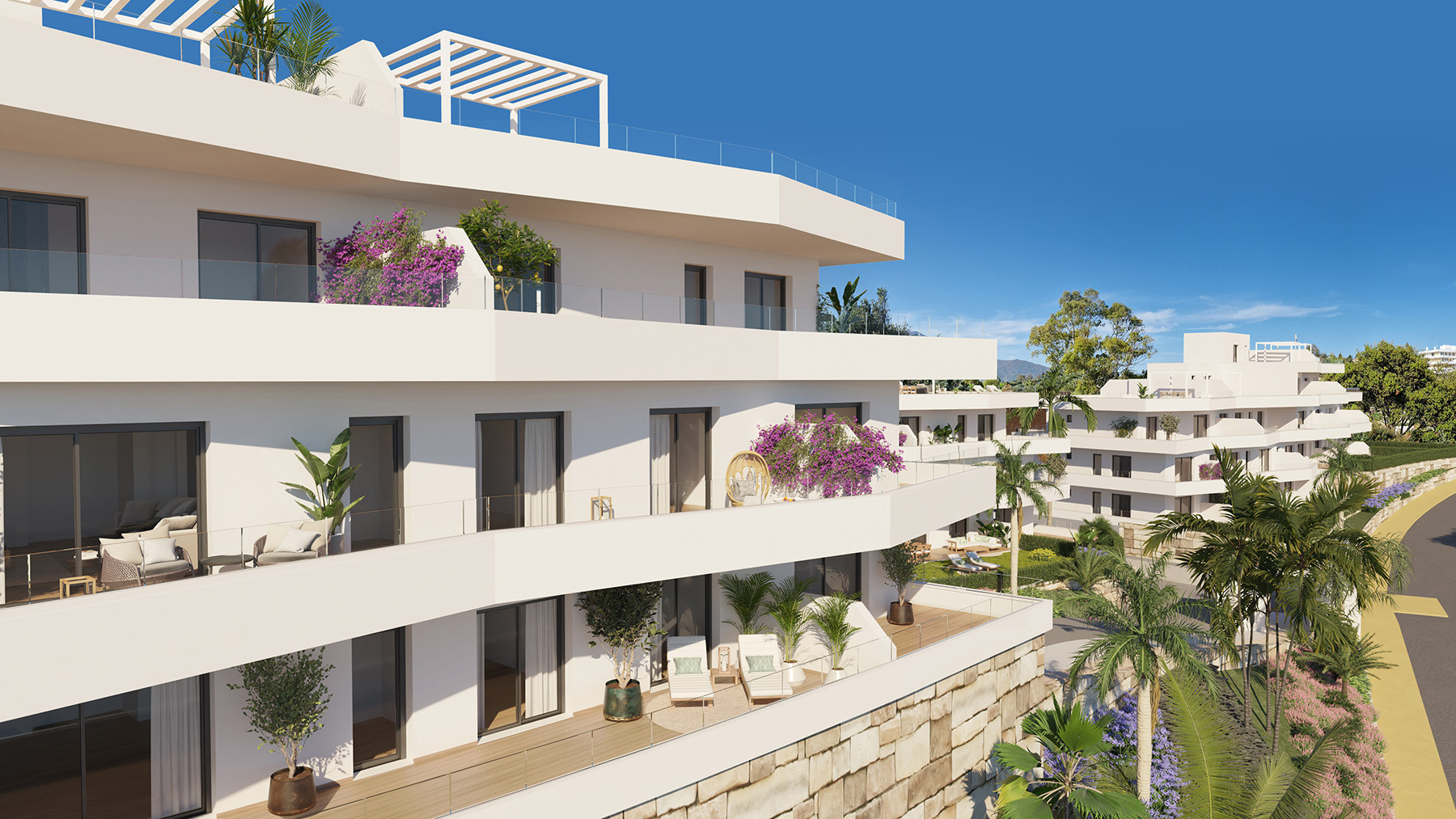
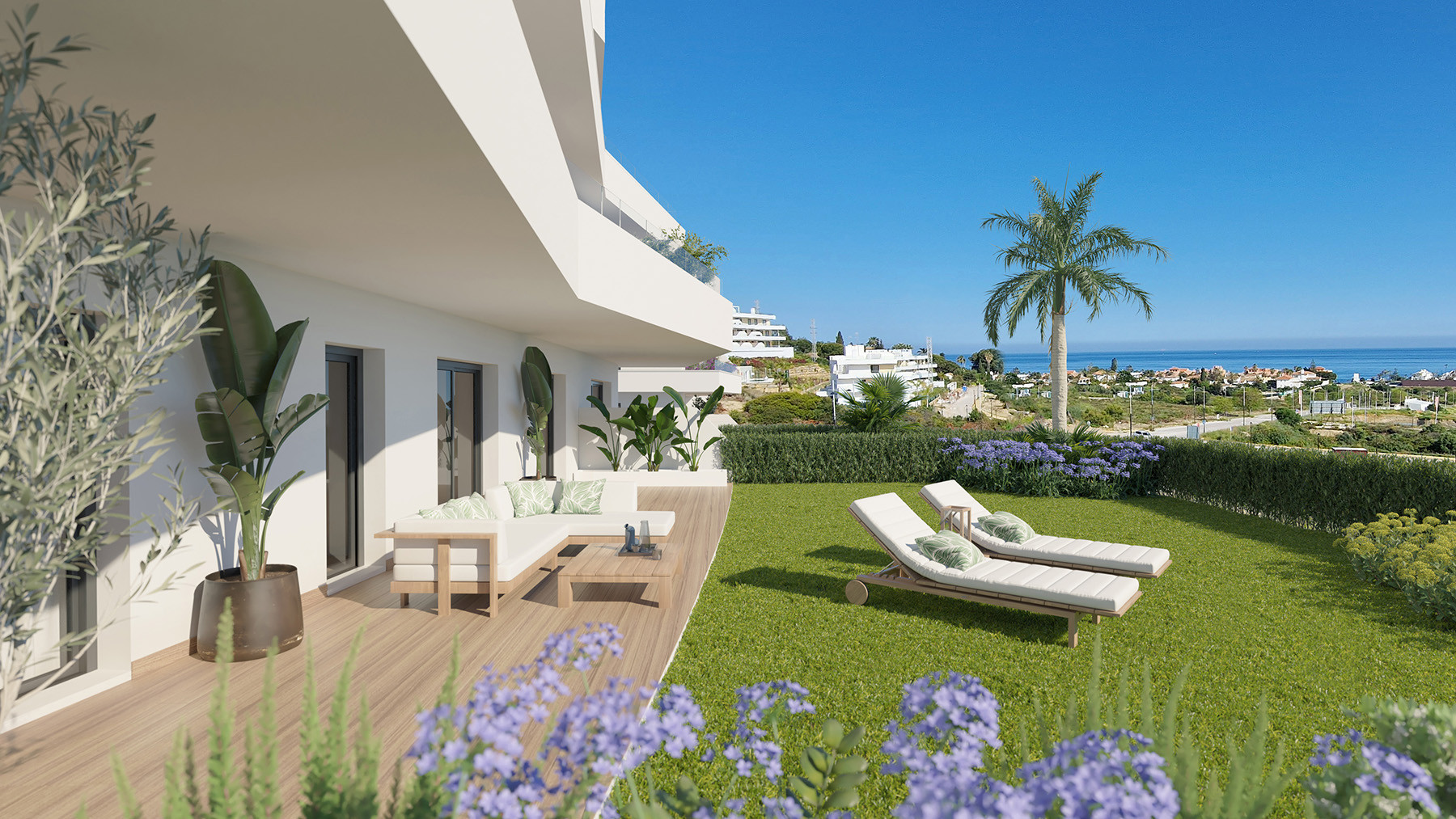
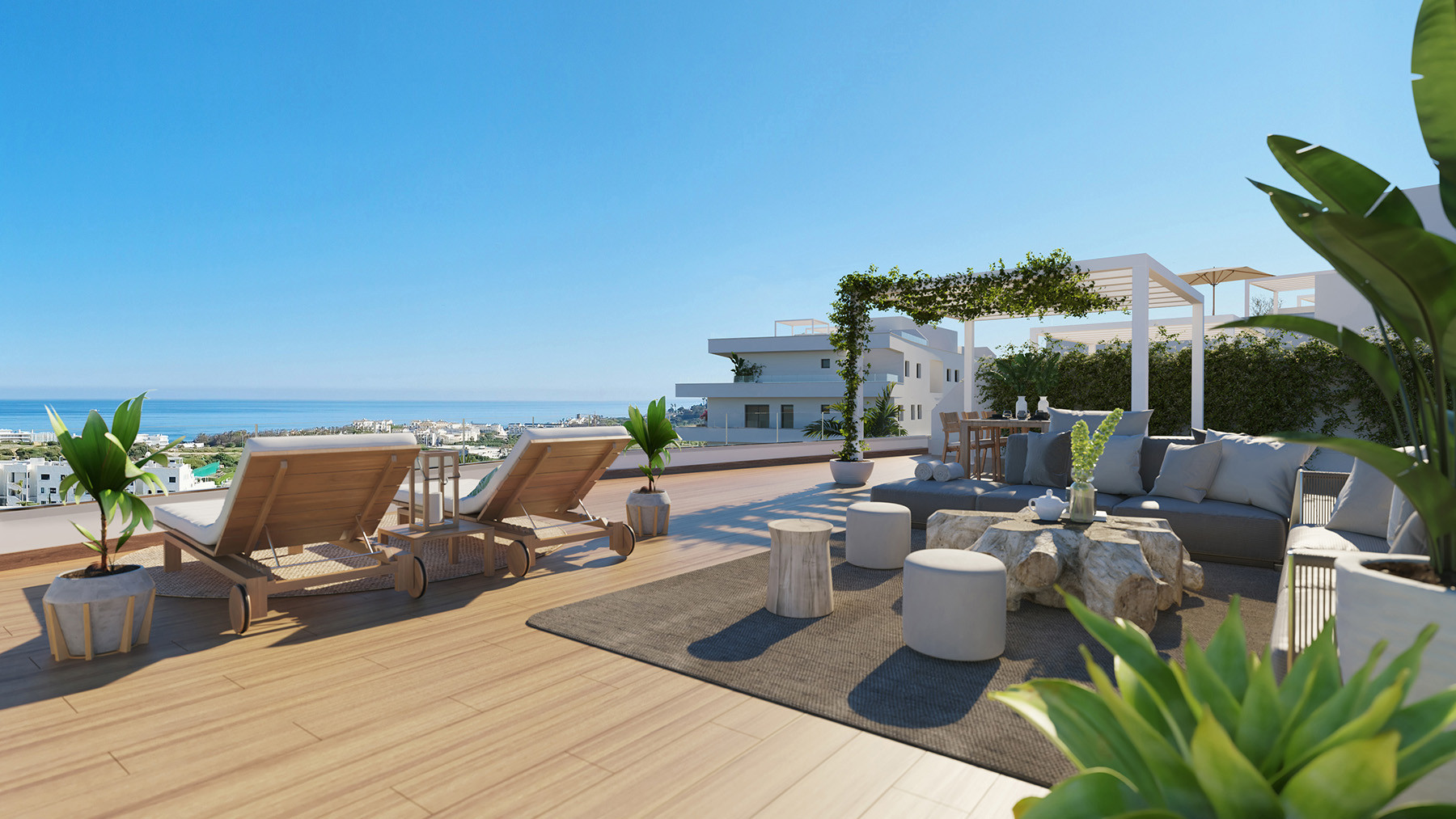
Imagine this: you have decided to buy an apartment that does not physically exist yet. There is only a plot of land, a building licence and an attractive render showing a rooftop swimming pool. Does that sound risky? In some ways, yes. But this is exactly how a huge number of foreigners have been buying homes in Spain for the past fifteen years or so – and many of them later thank themselves for taking the leap.
Off-plan property – buying a home before it has been built – is experiencing something of a renaissance in Spain in 2026. Demand for new-build homes on the coast is growing faster than developers can launch new projects, while prices on the primary market rose by around 9% in the first quarter of the year. This is not a speculative bubble like the one seen in 2007, but the result of a straightforward shortage: there is limited land available for development along the coast, planning and approval procedures take time, and the number of people wanting to move closer to the sea is not getting any smaller.
So, let us go through it step by step: what off-plan means today, whether it is worth considering at all, which laws protect you, and which pitfalls can still cause problems even for an experienced investor.

What Does Buying Off-Plan Actually Mean?
Formally, it means buying a property before construction has been completed: at the project stage, when building work has just begun, or when the structure is already standing but the development has not yet been officially completed and approved for occupation. The transaction is formalised through a private purchase contract (contrato de compraventa) with the developer rather than through the notarial deed used when purchasing a completed property. The notary and formal transfer of ownership come later, once the building has been completed and the occupancy licence has been obtained.
Between these two points – signing the contract and receiving the keys – there is usually a period of between 18 months and three years. That interval is essentially what defines an off-plan purchase: you make payments in stages as construction progresses rather than paying the entire amount upfront.
Considering a new-build property? Browse properties for sale in Spain with Alegria Premium and compare options by location, property type and budget.
Off-Plan Property in 2026: What You Need to Know
Several factors have come together, and they are worth considering before you fall in love with another glossy render promising luxurious sea views.
The Golden Visa has been discontinued. From 3 April 2025, the residence-by-investment programme based on purchasing property worth at least €500,000 officially stopped accepting new applications. Those who had already obtained a visa retain it under the previous conditions, but new buyers can no longer rely on this route. This has noticeably cooled the high-end property segment and shifted buyers’ attention towards other motivations: rental income, holiday homes and capital diversification.
Talk of a 100% tax for non-EU buyers. In January 2025, Prime Minister Pedro Sánchez announced the idea of imposing a tax on non-EU non-residents that would effectively double the cost of buying property. The proposal has continued to stall in parliament, with insufficient votes for its approval, and by mid-2026 it still remains a proposal rather than legislation in force. One interesting detail in the draft legislation is that, even if the measure is eventually adopted, the proposed wording does not cover purchases of new-build properties directly from developers. Check the current status when you are ready to buy, but there is certainly no reason to panic in advance.
Short-term rental regulations are becoming stricter. Many municipalities are introducing mandatory registration for properties offered through online rental platforms, while in some cities licences for tourist rentals have effectively been frozen. If you are considering an off-plan property as an investment for Airbnb or similar platforms, this needs to be checked carefully for the specific city and neighbourhood before signing a reservation agreement – not afterwards.
Prices continue to rise. Demand from international buyers is not falling, tourist arrivals increased by several more percentage points in the first months of 2026, and the supply of high-quality new-build housing on the coast is physically limited: there simply is not much development land close to the sea with all the necessary permits and certificates already in place. This is one of the reasons why prices on the new-build market continue to rise steadily, outpacing inflation.
For more market context, you can also read Alegria Premium’s analysis of new-build property prices in Spain rising by almost 10% and why foreign buyers continue to show strong interest in Spanish property.
The Advantages of Buying Off-Plan
Let us start with the good part.
A lower price than a completed property. At the launch stage, developers usually offer their most attractive prices. They need to bring in the first buyers, and at that point there is not yet any proven evidence that the project will be a commercial success. By the time the development is completed, the price of the same apartment is often 15–30% higher. Some buyers simply save money when purchasing a home for themselves, while others sell their contractual rights before construction is complete and realise the difference in price.
Instalments without a bank. Payments are spread over the entire construction period. A typical structure consists of several stages: a reservation payment, an initial payment after signing the private purchase contract, several further instalments as construction progresses, and the final balance when the keys are handed over. In effect, it works like an interest-free payment plan from the developer, and for many buyers this is precisely what makes buying a home by the sea possible without taking out a mortgage immediately.
Everything is new and built to modern standards. Energy efficiency, contemporary layouts and a ten-year guarantee covering structural elements of the building. No hidden surprises such as wiring from the 1990s or foundation cracks that only become apparent six months after buying a resale property.
You may be able to influence the final result. At the early stages of construction, developers are often willing to accommodate certain changes: different tiles, modifications to the kitchen layout or an extra electrical socket exactly where you want it. Try negotiating that with the owner of a completed resale apartment.
Legal protection for the money you have paid is established by law. This deserves a closer look, because it is one of the main differences between buying in 2026 and the stories from a decade or more ago, when buyers really could lose their deposits.
What Actually Protects Your Money?
The First Additional Provision of Spain’s Building Regulation Act, Ley 38/1999 (Ley de Ordenación de la Edificación, or LOE), requires the developer, once the building licence has been obtained, to protect advance payments received from buyers with either a bank guarantee or an insurance policy. The money must be paid into a separate special account rather than mixed with the company’s general operating funds.
If the property is not completed on time or the occupancy licence is not obtained, the buyer has the right to terminate the contract and request the return of all amounts paid, together with statutory interest.
It sounds reassuring, and on paper it is. In practice, however, it is important to make sure that:
- the guarantee is issued specifically in your name rather than collectively for the entire development;
- every payment actually goes into the special account specified in the contract rather than being transferred to alternative bank details “by agreement”;
- you have the document confirming the guarantee in your hands before transferring the money, not afterwards.
There is also a three-tier system of guarantees covering the property itself after completion: one year for finishing defects, three years for defects affecting habitability, such as waterproofing and building services, and ten years for structural defects affecting the stability of the building. The final guarantee is legally required for practically any residential building and is usually backed by separate insurance known as seguro decenal.
If the developer cannot provide all these documents, or your lawyer cannot locate them in the relevant records, that is a reason not to rush into signing anything until the situation has been clarified. No “today only” discount is worth the risk of ending up without either the property or your money.
Want to understand the entire process before committing? Alegria Premium has a separate step-by-step guide to buying new-build property in Spain, covering everything from choosing a property and checking the developer to the notary and registration of ownership.
What Can Actually Go Wrong?
The law is the law, but reality can sometimes be a little more complicated.
The bank delays paying out under the guarantee. Formally, the refund is mandatory, but there have been cases in which financial institutions delayed the process on procedural grounds, particularly when a developer had gone bankrupt and there were not enough assets to satisfy everyone. The period for making a claim under the guarantee is limited – usually two years from the developer’s default – so delaying a claim is not advisable either.
Construction delays. Eighteen months or two years on paper can easily turn into three years in practice. There are various reasons: labour shortages – Spain’s construction industry took a long time to rebuild its workforce after the 2008 crisis – disruptions in material supplies, and bureaucratic delays in obtaining approvals at municipal level. This does not necessarily mean fraud; often it is simply part of the reality of the construction market. But if timing is critical for you – for example, if you have sold your existing home and expect to move by a particular date – allow an additional six to twelve months as a buffer.
The finished property does not quite match the render. Visualisations always look better than the final result. Finishing materials may differ from what you expected if the specification does not list particular brands and models and instead uses vague wording such as “premium ceramic tiles”. Insist on a detailed specification – the memoria de calidades – as an appendix to the contract, not merely as part of a marketing brochure.
The wrong developer. The Spanish coast is home to a huge range of companies, from major national developers to small local firms for which this may be their first – and possibly last – project. Checking the developer’s reputation, financial stability and number of successfully completed previous developments is not a formality. It is an essential part of the due diligence you should carry out before signing.
Hidden costs on top of the advertised price. VAT on new-build property is 10% in most regions – rates differ in the Basque Country and Navarre, while the Canary Islands use IGIC instead of VAT – plus stamp duty (Actos Jurídicos Documentados), which varies by region from 0.75% in Madrid to 1.5% in the Valencian Community and Catalonia. Add notary fees, Land Registry fees and legal assistance, and the total usually comes to around 12–15% on top of the property price. Buyers who calculate their budget using only the “advertised price” may be surprised by the final bill.
How to Choose a Project, Not Just a Pretty Picture
These are the things worth examining carefully rather than focusing only on the swimming pool and sea view in the render.
Has the building licence already been granted? This should be your first question to the lawyer. A property can formally be marketed before a valid licencia de obra has been granted at the reservation stage, but statutory protection for advance payments begins precisely when that licence is obtained. If the developer is collecting money earlier, that is already a reason to be cautious.
Who is the developer, and what have they built before? Search for the company’s previous projects, read reviews from buyers who have already moved in, and find out whether previous developments were delayed and how the company responded. A local developer with fifteen years of experience on the coast can often be more reliable than a well-known name with no completed projects in that particular region.
What is the legal status of the land? Your lawyer should check the Land Registry record for the plot (Nota Simple), verify that there are no encumbrances and confirm that the project complies with the municipality’s urban development plan (PGOU). Do not buy anything without this step, no matter how convincing the sales team may be.
Location matters more than you might think. The Costa del Sol, including Marbella and Estepona, remains a major magnet for international buyers thanks to its mild climate, international airport and well-developed infrastructure for expatriates. The Costa Blanca, including Torrevieja and Dénia, is more affordable and particularly popular with buyers from Eastern Europe. Valencia is becoming increasingly popular with people looking for an urban lifestyle with the sea within half an hour’s drive. Each region has its own stamp duty rate, rental market and price dynamics, so choosing a location is not only a matter of personal taste – it also affects the long-term numbers.
Who will manage the development after completion? Community fees (comunidad de propietarios) for a large residential complex with swimming pools, security and landscaped gardens can be substantial – sometimes running into hundreds of euros per month. Ask for an estimated budget in advance rather than discovering the cost after you move in.
Step by Step: How the Purchase Works
And here is the section you can quite literally use as a checklist.
- Documents: first, you obtain your NIE – the foreigner’s identification number. Without it, you cannot buy property in Spain; in practical terms, it is one of the most important documents after your passport. Next, you open a Spanish bank account, through which the payments will be made. You then hire an independent Spanish lawyer, which usually costs around 1% of the transaction value. The lawyer checks the developer, the land, the licences and the contract before you start signing anything.
- Reservation payment – usually €3,000–€6,000 – secures the property and the price for you while the main contract is prepared. You then sign the private purchase contract containing the full payment schedule. This is where the bank guarantee covering the initial payment should appear. Further instalments follow and are linked to different stages of construction: foundations, structural work, roofing and final finishes.
- Completion: the occupancy licence is obtained, the notarial deed (escritura) is signed, the keys are handed over and your ownership is registered with the Land Registry. From that point, the apartment is officially yours – and a very different, considerably calmer stage begins.
Mortgages for Non-Residents: Is It Possible?
Absolutely, but there are some nuances. Spanish banks typically lend non-residents 60–70% of the property value – the limit is higher for residents and can sometimes reach 80% – and require evidence of stable, verifiable income. They also generally prefer to issue the mortgage against a property that is already completed or close to completion rather than at the very earliest stage of construction. With off-plan purchases, many buyers use their own funds during the construction phase and arrange the mortgage closer to completion, when the bank has a tangible property to assess. Discuss this with the bank well in advance rather than one month before the final payment is due.
Is Off-Plan Property Worth Considering in 2026?
There cannot be one definitive answer, and anyone who gives you one without hesitation probably has something to gain from doing so. But here is the picture as it stands.
Off-plan makes sense if you have time on your side – waiting between 18 months and three years to move in does not concern you – and you are prepared to do the necessary homework on the developer and the land rather than simply trusting an attractive presentation. You also need to be comfortable balancing the potential savings available at the launch stage against the risk of construction delays. This is not a “quick and hassle-free” option. It is a deliberate decision that involves a period of waiting.
If you need an apartment right now, plan to relocate within three months, or are simply unwilling to accept any uncertainty around completion dates, a resale property or a completed new-build home may be a better fit.
At the same time, the 2026 market is objectively favouring those who enter now rather than waiting another year: prices are rising, the supply of quality properties by the sea is shrinking, and buyer protection is stronger than it has been at any point in the past fifteen years. The key is to enter the market with your eyes open, an experienced lawyer from a reliable company by your side, and no rush when it comes to the decisive moment.
Looking at off-plan property in Spain? Start with the Alegria Premium property catalogue, then request a selection of developments tailored to your preferred region, budget and purpose – whether for living, holidays or investment.
And now, speaking simply and directly from our side: at Alegría, we work with Spanish property every day, and yes – off-plan is one of those areas where we genuinely enjoy helping people. There is a certain excitement to it: choosing a project right at the beginning, locking in the price and then watching together with the client as a real home with a terrace – and the smell of the sea in the morning – gradually emerges from the plans.
We are not going to tell you fairy tales about a risk-free market. You have already read about the risks above, and they are real. But we do know how to reduce them: which guarantees to request from the developer, where to find experienced lawyers, which projects in which areas really tend to be completed on time, and which ones are better avoided, no matter how tempting and beautiful the render may look.
If you are considering an off-plan property in Spain and do not know where to begin, simply get in touch with us. We will look at your situation, show you real projects rather than just glossy brochures, and tell you openly where we see a risk and where we see a worthwhile opportunity. That is exactly why we are here.
Alegría – your joy of owning property in Spain.
FAQ: Buying Off-Plan Property in Spain
What does buying off-plan property in Spain mean?
It means buying a property before construction has been completed – at the project stage, during the early stages of construction or when the building is already standing but has not yet been officially completed and approved for occupation. According to the article, it usually takes between 18 months and three years from signing the contract to receiving the keys.
How is a buyer’s money protected when purchasing off-plan?
According to the article, once the building licence has been obtained, advance payments made by the buyer must be protected by a bank guarantee or insurance policy, and the money must be paid into a separate special account.
What additional costs should I budget for when buying a new-build property?
The article states that, in addition to the property price, buyers should take VAT, AJD stamp duty, notary fees, Land Registry fees and legal assistance into account. Altogether, these additional costs are typically estimated at around 12–15% on top of the property price.
What are the main risks of buying off-plan property?
The risks discussed in the article include construction delays, differences between the render and the completed property, problems with the developer, missing guarantees and additional expenses that were not included in the buyer’s original budget.
Can a non-resident get a mortgage for an off-plan property in Spain?
Yes. According to the article, Spanish banks typically finance 60–70% of the property value for non-residents. With off-plan purchases, the mortgage is often arranged closer to completion, while payments during the earlier construction stages are made from the buyer’s own funds.
This information does not constitute legal or tax advice and is not a public offer.