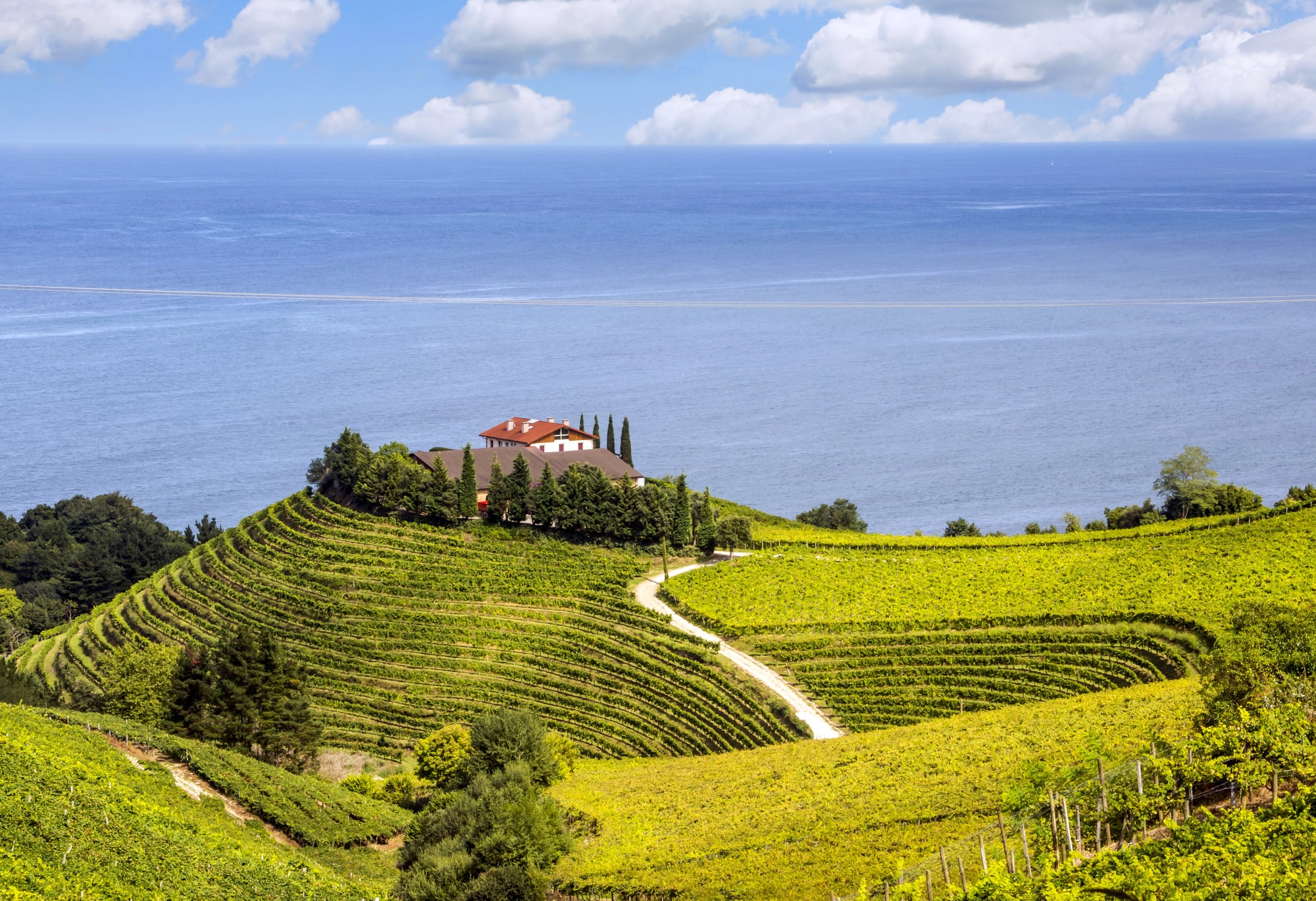
Spain is a wine country: Spanish wines are known all over the world and loved for their particular richness, aroma and character. Here, grapes are a familiar and integral part of the landscape and culture: endless vineyards stretch from the Atlantic coast of Galicia to the limestone of Priorat and the sunny plateaus of Castilla-La Mancha.
In terms of vineyard area, Spain ranks first in the world: the total area under vines in 2024 was about 930,000 ha, including all varieties: wine grapes, table grapes and grapes for raisins. Wine grape varieties alone account for around 911,000 ha.
The main wine regions are Rioja, Ribera del Duero, Rueda, Rías Baixas, Priorat, Penedès, La Mancha and Jumilla, as well as Navarra, Toro, Bierzo and others. Spain is consistently among the world’s top three wine producers: in 2024 it produced about 31.0 million hectolitres. In the same year, about 20.0 million hectolitres of wine worth a total of €3 billion were exported, the second-highest volume of wine exports in the world.
These figures clearly show how popular Spanish wines are. The natural conditions in which grapes grow in Spain are incredibly varied: the climate, altitude, aspect of the slopes, soil types (limestone, granite, slate, volcanic rock), proximity to the ocean or sea and even local winds all matter. The combination of these factors (terroir) directly affects the taste and style of the wine, hence the wide range, from crystalline whites and mineral Albariños to powerful, warm Tempranillo reds and unique sherries with that “dense” taste for which Spain is prized all over the world.
Buying a vineyard in Spain
When buying a vineyard in Spain, you need to take many factors into account. First of all, look at properties with the best long-term commercial potential, located in areas that produce wine of unique quality. Here you cannot do without outside specialists: agencies that specialise in selling vineyards and wineries and can carry out a thorough check of the condition and circumstances of these wine estates and assess their investment potential.
Investors have a choice: they can buy vineyards with modern production facilities in perfect working order, or wine estates with traditional winemaking equipment. On the market you can find not only wine estates but also country estates with manor houses, often in historic buildings.
When assessing profitability, you need to calculate CAPEX (capital expenditure) and OPEX (operating, day-to-day costs) for 5-7 years: draw up a sales plan, develop a marketing policy and build a safety and liquidity cushion for poor harvests and years of weak demand. Later on, even experienced vineyard owners will need outside specialists: a viticulturist, an oenologist, an irrigation engineer, a lawyer specialising in land matters and an accountant. Outsourcing raises costs in this case, but it lowers the risk of expensive mistakes.
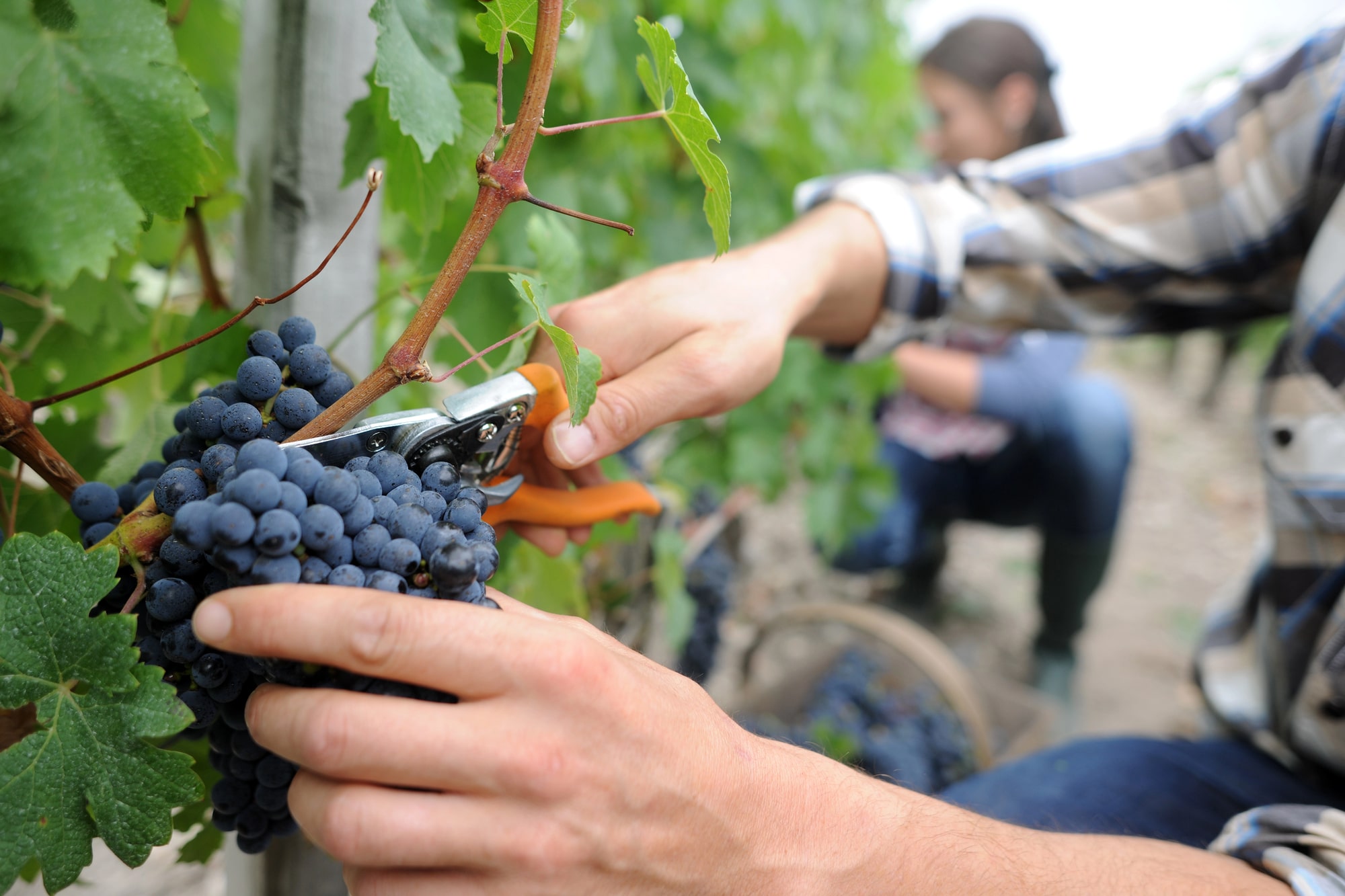
How much does a vineyard in Spain cost?
According to data from Spain’s Ministry of Agriculture, Fisheries and Food, the average price of vineyards in Spain in 2024 was about €16,000/ha:
- irrigated (VIR): €17,735/ha (-5.7% on 2023);
- non-irrigated (VIS): €15,358/ha (+1.4% on 2023).
By autonomous community (VIS, non-irrigated vineyards), prices were distributed as follows:
- the highest prices: Galicia at €60,473/ha and the Basque Country at €57,425/ha;
- the lowest: Murcia at €5,137/ha and Aragón at €6,140/ha.
The biggest price changes in 2024 were seen in the Valencian Community (+7.9%), Andalusia (+7.7%), Madrid (-8.7%) and Galicia (-5.2%).
What does winegrowing in Spain cost?
The main thing to consider when calculating vineyard costs is the planting system. Planting bush vines can cost up to €8,000/ha, and trellised vineyards up to €14,000/ha. This means that depreciation costs for trellised vineyards will also be higher. However, bush planting is becoming a thing of the past, and there are even state subsidies for converting vineyards from bush vines to trellises.
But labour was and remains the main cost item. With bush planting, labour accounts for 40% of total costs, and with trellised planting, 26%. So the priority should be finding and introducing systems that make manual operations more efficient. This means mechanised pre-pruning systems, high-speed mechanical weeding and a choice of good-quality equipment.
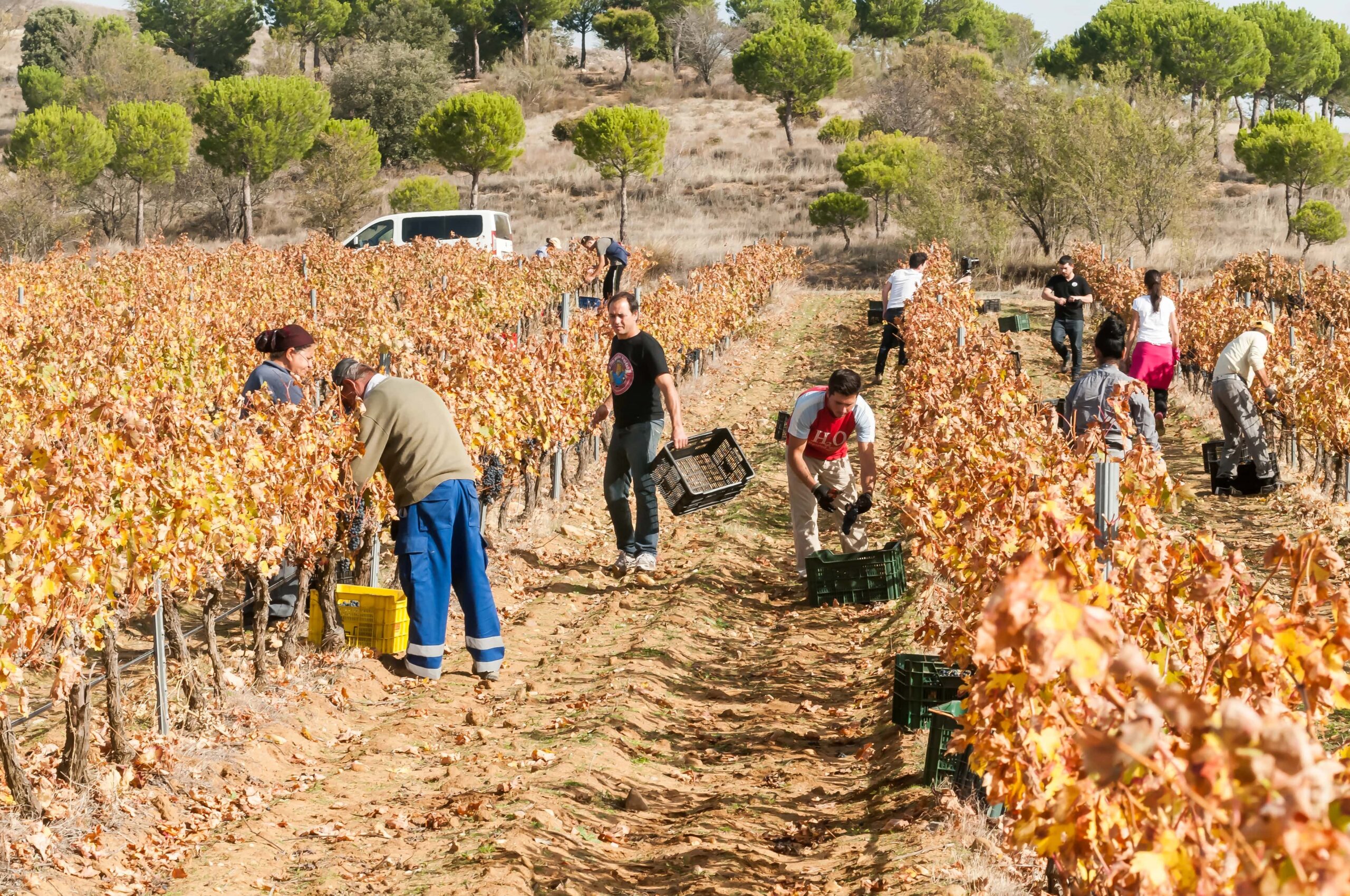
Average cost estimate for a vineyard “from scratch”
Costs vary depending on the location, grape variety and growing system. We give only approximate figures; actual costs may differ considerably:
- Cost of buying land for a vineyard: €10,000-200,000/ha (depending on the location). Prices vary greatly depending on the location, size and soil characteristics. A well-drained, sunny plot with a gentle slope is ideal, but it usually costs more.
- Soil preparation and planting: €4,000-10,000/ha.
- Cost of vines: €6,000-12,000/ha (about 4,000 plants/ha). The choice of grape variety is crucial and affects the price. Nursery vines cost €1.50 to €3 each. In the long run, investing in high-quality, disease-resistant varieties pays off.
- Annual irrigation and fertilising: €2,500-5,000/ha. Installing a drip irrigation system costs €2,000 to €4,000/ha. Annual water and electricity costs can range from €500 to €1,000. Organic compost and liquid fertilisers (€500-1,000/ha) can be used as fertilisers.
- Annual labour costs (pruning, tying, harvesting): €3,000-6,000/ha. Looking after a vineyard is year-round work. Pruning, tying, leaf removal and other tasks require skilled labour. Depending on the size of the vineyard, you may need permanent or seasonal workers.
- Annual pest control: €500-1,000/ha.
- Annual harvesting and transport: €1,700-3,200/ha.
So the estimated total cost in the first year is €27,200-235,200/ha, and in subsequent years €7,200-13,200/ha. The vines start to yield fully from the second to the fourth year, but sometimes later.
Planting a vineyard requires significant investment. Fortunately, Spain offers several options for outside financing and support:
- special bank loans for agriculture;
- EU grants and aid for young farmers;
- regional or national support programmes.
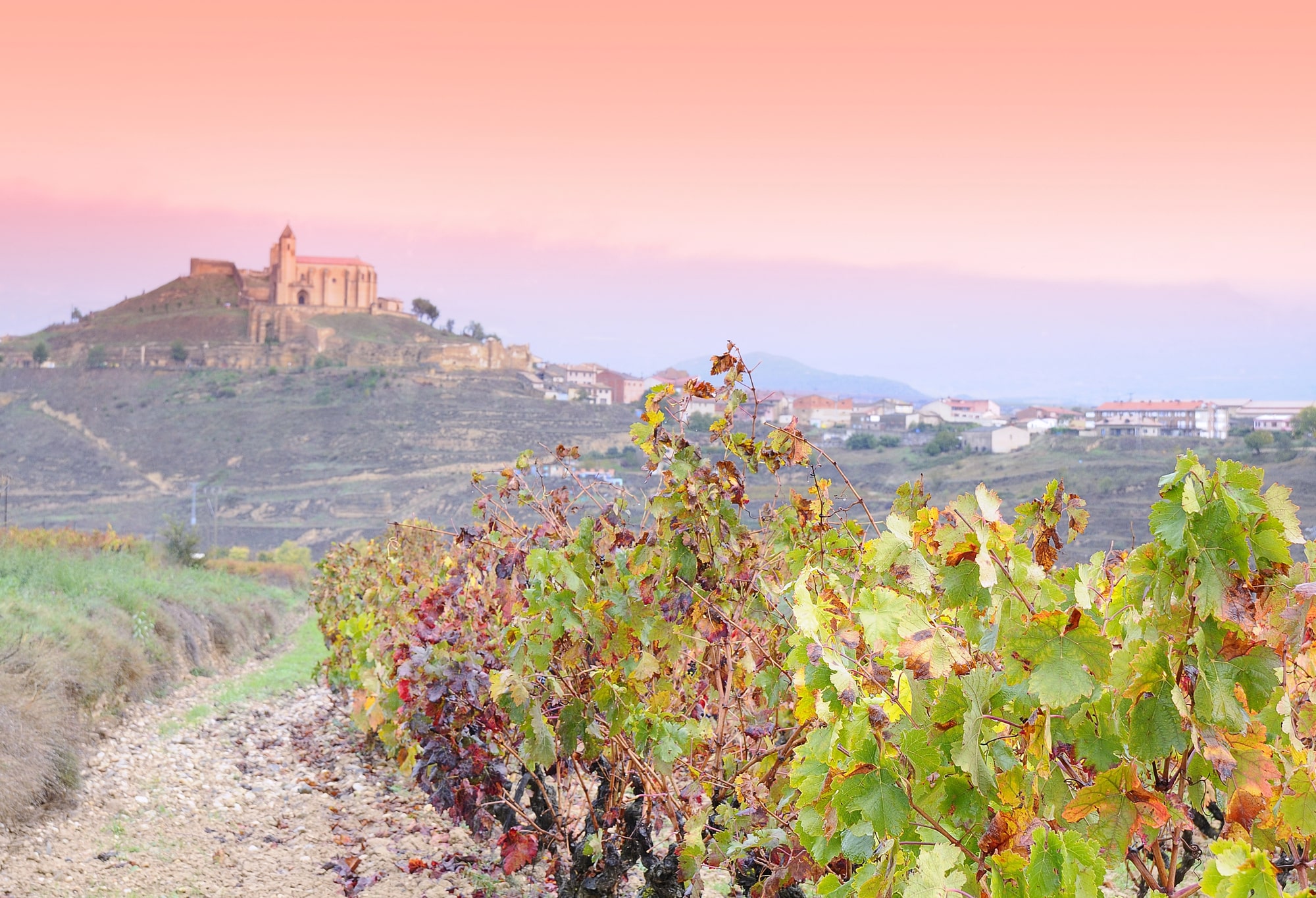
Location, climate and wine tourism potential
In recent years, demand for wineries in Spain has grown considerably, for both commercial and personal purposes. A well-run estate can generate a steady income from wine sales, wine tourism and, in some cases, selling grapes to other wineries. In addition, vineyards tend to rise in value over time.
A winery’s location directly affects the type of wine it can produce. It is important to choose a place with a suitable microclimate for the grape varieties you want to grow. In turn, being close to transport routes, markets and tourist areas helps with direct wine sales and attracts visitors interested in wine tourism. Today wine tourism is a booming sector that brings wineries significant income. Organising tours, wine tastings, and private and corporate events can attract large numbers of visitors and strengthen your own brand.
Profiles of Spain’s wine regions
Here are the profiles of Spain’s main wine regions, with their climate, key varieties and flavour profile:
- Rías Baixas (Galicia): a cool, humid oceanic climate with breezes, fog and frequent rain. The soils are mainly granite and sandy granite, the vineyards lie at low and medium altitudes, and pergolas are used almost everywhere. Main varieties: Albariño, Loureiro and Treixadura. Galician wines are very fresh, saline, mineral whites; flavour notes include citrus, green apple, white flowers and sometimes a light “oceanic” saltiness.
- Txakoli / Txakolina (Basque Country): a cool maritime climate with constant breezes, moderate sun and frequent rain. The vineyards lie at low altitudes on hillsides near the ocean, with clay-limestone and alluvial soils. Main varieties: Hondarrabi Zuri and Hondarrabi Beltza. The typical wine profile: super-fresh, light whites with high acidity and a barely noticeable sparkle, with hints of lime and grass and saline notes.
- Penedès / Cava (Catalonia): a warm Mediterranean climate, plenty of sun, and marked differences in altitude and temperature from the coast to the foothills (up to 800 m). Soils: limestone, marl, clay. Leading varieties: Xarel·lo, Macabeu (Viura) and Parellada (for cava), as well as Chardonnay. The best wines are dry sparkling wines (brut): crisp, with a note of apple and a mineral tone.
- Priorat (Catalonia): a hot climate, but with marked day-night temperature swings thanks to the altitude and winds, and extreme terrain. Soils: llicorella slate. Main varieties: Garnacha and Cariñena (Carinyena); also Syrah, Cabernet and others. Wine profile: powerful, concentrated reds with a long finish; ripe black fruit, spice and a smoky slate touch dominate.
- Ribera del Duero (Castilla y León): a continental climate with hot days and cold nights. The soils are mainly limestone-clay and alluvial; the plateaus and river terraces lie at 750-900+ m above sea level. Main variety: Tempranillo. The wines are dense and structured, with notes of dark berries, plum and violet, ripe tannins and high acidity.
- Rioja (La Rioja): a transition from the cooler zones with Atlantic influence (Alta/Alavesa) to the warmer ones (Oriental). Soils: clay, limestone, alluvium, ferrous soils. The terraces and plateaus lie at 400-700+ m. Main varieties: Tempranillo, Garnacha, Graciano and Mazuelo; for white wines, Viura (Macabeo). The range of styles is as wide as it gets: from slender and elegant to sunnier and riper. The tradition of ageing in oak barrels (American or French oak) gives vanilla, coconut and spicy notes.
- La Mancha (Castilla-La Mancha): a hot, dry continental climate, a great deal of sun and significant day-night temperature differences thanks to an altitude of 600-800 m. Soils: limestone, clay, sand. Main varieties: Airén, Tempranillo (Cencibel), Garnacha, Syrah and others. The local white wines are fairly simple and very dry; the reds cover a wide range, from light and fruity to rich, with soft tannins.
- Jerez-Xérès (Andalusia): a hot Mediterranean climate with Atlantic influence and changing winds (the Poniente brings cool air, while the Levante, by contrast, is often dry and hot). The chalky albariza soils store moisture in winter and feed the vines in summer. Leading varieties: Palomino, Pedro Ximénez and Moscatel. Unique ageing makes it possible to produce wines ranging from dry and saline to nutty, iodine-tinged, powerful and rich.
- Canary Islands (Tenerife, Lanzarote): the Atlantic Ocean, volcanic terrain and altitudes of up to 1,000+ m create a unique microclimate. Soils: volcanic sand/ash, basalt. Main varieties: Listán Negro/Blanco, Malvasía Volcánica and other native varieties. Canary wines are whites and reds with a “smoky” minerality, saline hints, bright acidity and exotic aromas.
- Bierzo (León): a transitional climate with Atlantic influence and continental features, noticeably cooler than in the centre of the country. Soils: mainly slate and quartz. Leading varieties: Mencía and Godello. The red wines are aromatic, with red berries, violet, peppery spice and minerality; the whites are fresh and structured.
- Jumilla (Murcia): a continental-Mediterranean, hot and dry climate with little rain, strong sun and marked temperature swings. The soils are poor, limestone and stony. Monastrell (Mourvèdre) is the region’s signature grape; Garnacha Tintorera (Alicante Bouschet), Syrah, Cabernet, Petit Verdot and a little Airén and Macabeo are also grown. Wine style: rich, spicy reds with dark fruit (blackberry, black cherry) and notes of Mediterranean herbs, often with a pleasant freshness and pronounced tannins.
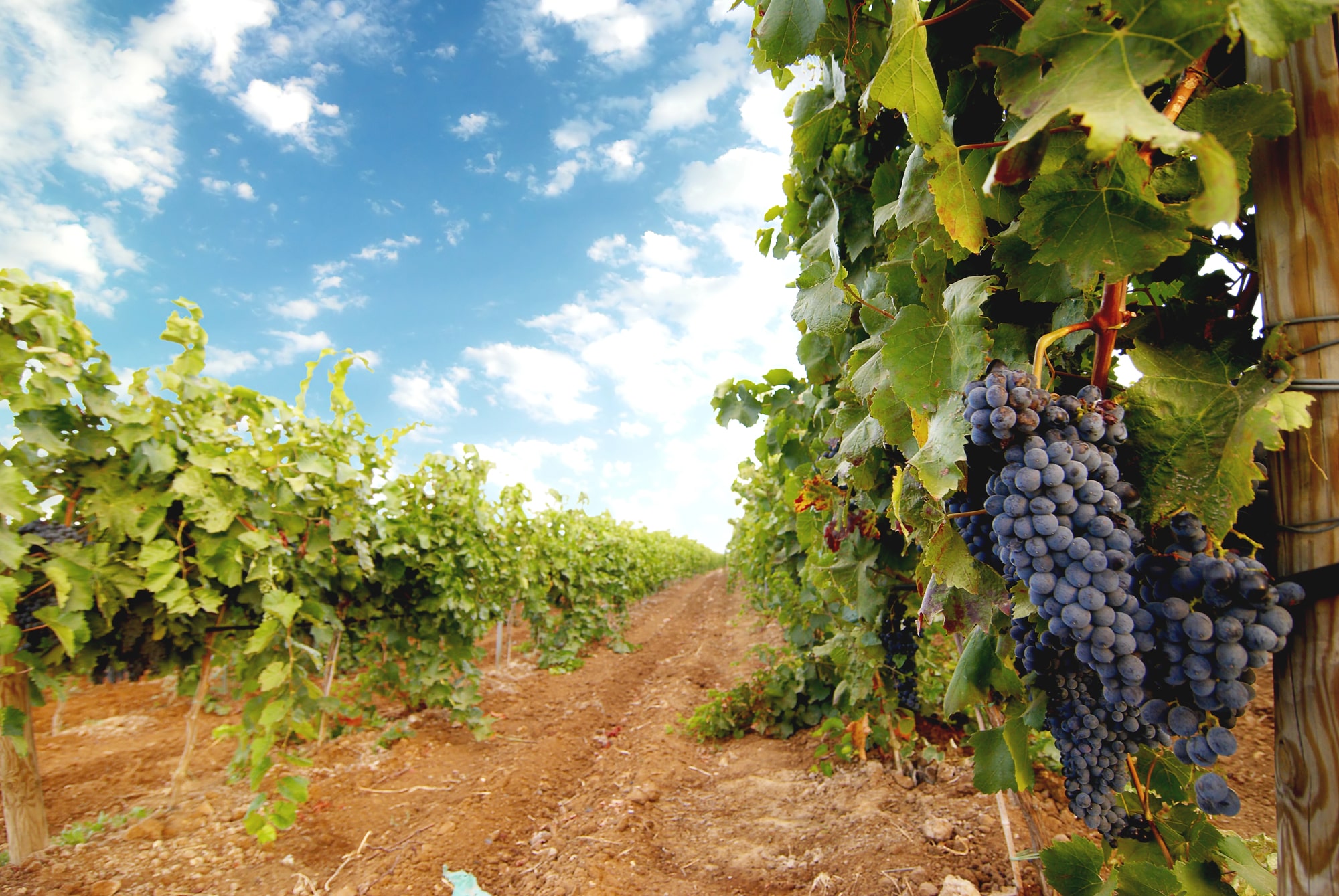
Pros and cons of the wine business in Spain
The advantages of owning a vineyard in Spain:
- Beauty and quality of life. Many vineyards are in beautiful countryside with excellent infrastructure and a mild climate, close to major cities and tourist centres.
- Prestige and a diversity of terroirs: a large palette of native varieties makes it possible to create wines with a distinct “regional signature”.
- Potential economic benefit: besides selling grapes and wine, it is worth betting on wine tourism (tastings, food events, boutique accommodation, festivals).
- Strong infrastructure and support: Spain has a well-developed cooperative winemaking sector, regulatory councils (Consejos Reguladores) and training centres, and conferences and seminars with agronomists and oenologists are held regularly. Subsidies for modernisation and development may be available.
Disadvantages and risks:
- Substantial initial investment.
- The work is complex and labour-intensive, requiring full immersion in the process and constant updating of specialist knowledge.
- The market and volatility: grape and wine prices fluctuate by region and year, and competition on the market is high. Sales through wine tourism depend on tourist numbers, and exports on exchange rates, tariffs and foreign demand.
- Drought and heat are common on the Mediterranean coast and the central plateaus; continental areas may get spring frosts and hail. In some places there are restrictions on irrigation and water abstraction. So crop insurance (agroseguro) is an essential expense.
- Regulation and bureaucracy: you need to take into account current regulations, the system of permits for new plantings and regrafting, rules on varieties, yields and winemaking practices, environmental requirements, health regulations and taxes.
Spain is a unique combination of terroirs, reputation and infrastructure, and it is the most suitable country to make the dream of becoming a winegrower and winemaker come true. But the wine business is capital-intensive and operationally complex, and it depends on the climate, the market and many other factors. A vineyard in Spain can become both a way of life and a sustainable business if you take a serious approach to the purchase:
- choose a region that suits your planned business model;
- check the water, soil, aspect, access to labour and logistics;
- assess the regulatory framework and the DO requirements;
- calculate the investment and operating costs and plan your sales channels;
- budget for insurance and draw up a sustainable development plan.