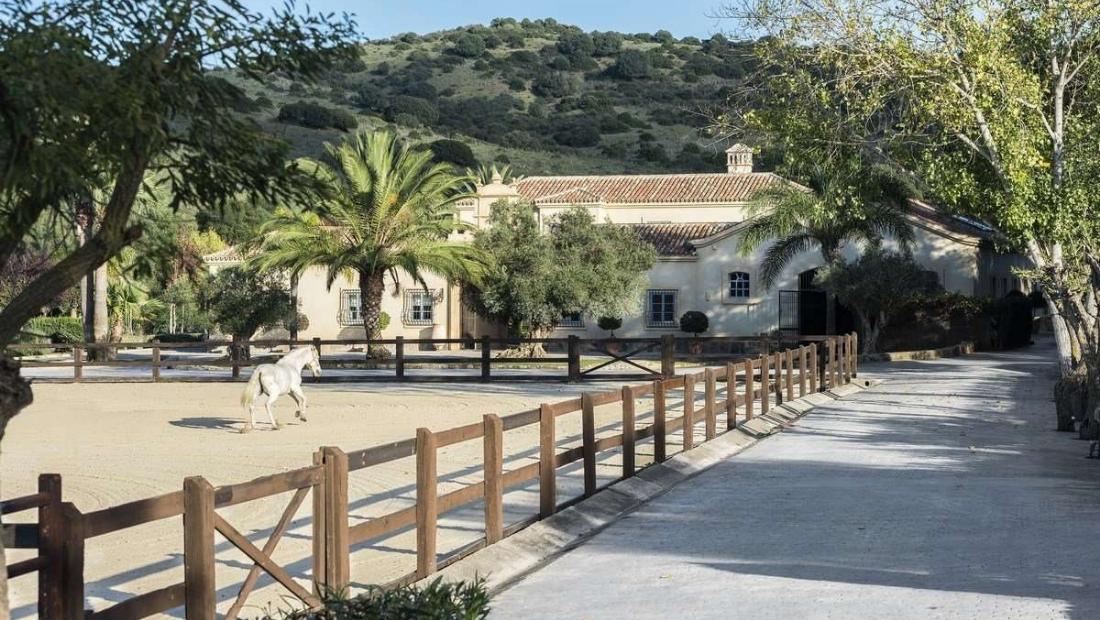
What is a country estate in Spain?
A country estate in Spain is a detached house with a large plot of land. While detached houses and villas usually have plots of a few hundred square metres, estates are measured in hectares. An estate almost always includes woodland or hunting grounds, or is partly used for farming or agriculture.
As in Russian, Spanish has several synonyms for country houses with large plots of land: casa rural, finca, finca rustica, cortijo, masía. They all mean roughly the same thing: a rural house, a farm, a manor, an estate. Different regions of Spain may prefer different names.
How do you buy a country estate in Spain?

Technically, buying a country estate in Spain is not difficult: the purchase procedure is standard, so the buyer of a studio and the buyer of a huge estate go through the same procedure for transferring ownership.
However, when preparing to buy a country estate in Spain, you need to pay close attention to a few points. This is because of the different categories of land and the restrictions on building. The type, area, number of storeys and number of buildings on a plot may be strictly regulated, and any breach of the rules can lead to huge fines for the owner. Depending on the region, the maximum permitted built area is 1% to 2% of the plot area.
The Spanish Land Act of 1975 divides all land into three categories:
- urbano (urban land, whose owners have the most rights and the fewest restrictions);
- urbanizable (land that is not yet urban but has a real chance of being included in an urban development area, and until then may be built on with certain restrictions (on type, density, number of storeys and so on));
- no urbanizable or rústico (land with strict restrictions on building or a complete ban on building).
As a rule, a country estate in Spain falls into the third category of land, no urbanizable/rústico. Such land is not included in urban development plans, and building a private home on it is permitted by law on condition that some activity is carried out there, such as farming or livestock breeding.
In practice this is exactly what happens: buying a country estate in Spain means buying not only a house but also a livestock farm, vineyards, olive groves or fruit orchards, woodland and so on.
A home built on a plot of no urbanizable/rústico land must serve a specific purpose: running one kind of farm or another.
Today there are around half a million illegal houses in Spain, that is, houses built in breach of the regulations, without any permits and without a first occupation licence. Many of them are technically and hygienically unfit to live in because they have no connection to electricity, water or sewerage. More precisely, some utilities may have been brought in illegally and connected by makeshift methods, which is not noticeable at first sight but in no way changes the fact that the building is illegal.
What should you check when buying a country estate in Spain?
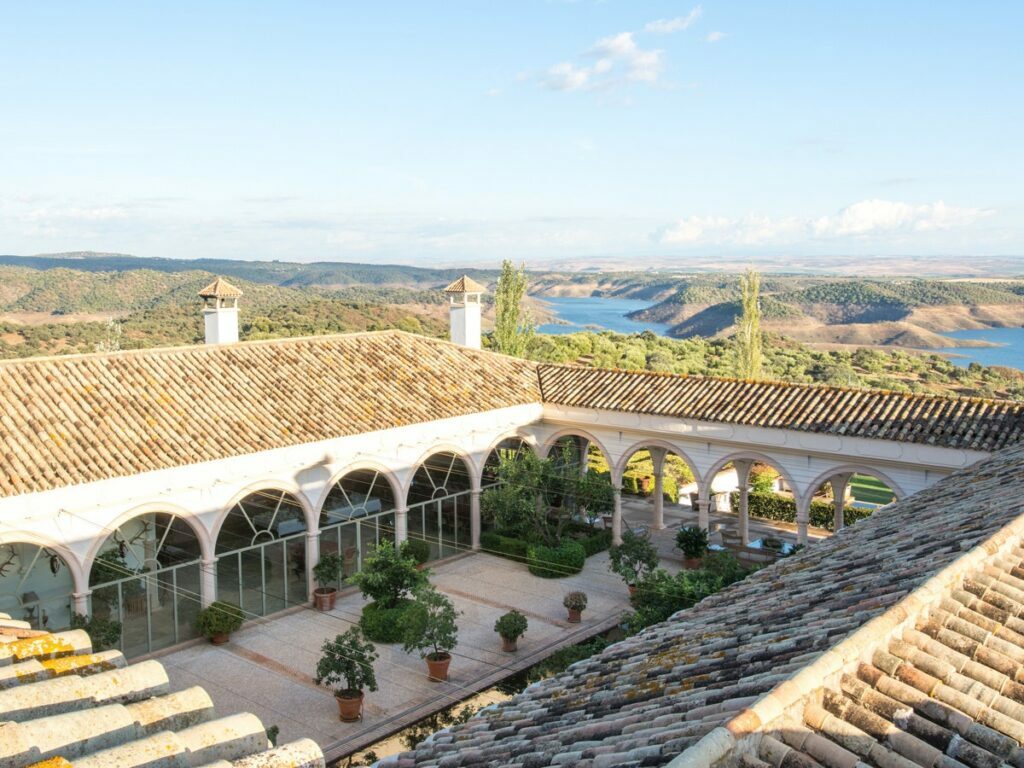
So before you buy a country estate in Spain, you need to check the following:
- The category and area of the plot according to the cadastre (Catastro);
- The building restrictions in force on the plot;
- Whether there are any charges or debts on the property;
- Whether there is a first occupation licence, which confirms that the house was built legally, approved for use and connected to all the necessary utilities;
- The number of owners and, if there are several, the right of one of them or their representative to complete the sale;
- The previous title deed;
- Whether there are any easements.
The very first document a prospective buyer of a country estate in Spain will need is the Nota Simple Informativa, an extract from the Land Registry (Registro de la Propiedad) showing the main details of the property: the owners and their shares, the area, the location, any mortgage and other charges. This document contains public information and can be requested by anyone for any property. You need to know the exact address or the cadastral reference. The buyer can obtain this extract on their own.
However, to assess the condition of the property and its legal status, and to prepare the purchase with the maximum protection of the buyer’s rights, you will need to bring in two specialists: an architect and a lawyer.
Finally, a reminder that a country estate in Spain can also be bought to obtain investor residence, the Golden Visa. The minimum investment in property is €500,000. Many estates cost much more, so by registering the purchase in the names of several family members (for example, a husband and wife), each of them can obtain their own residence permit. If the property is registered entirely in the name of one person, close relatives (children, spouses, parents) can also obtain a residence permit, but of a special type, as family members of the investor.
If you are interested in buying a country estate in Spain, take a look at our catalogue of the best luxury properties on the Costa Blanca and the Costa del Sol.